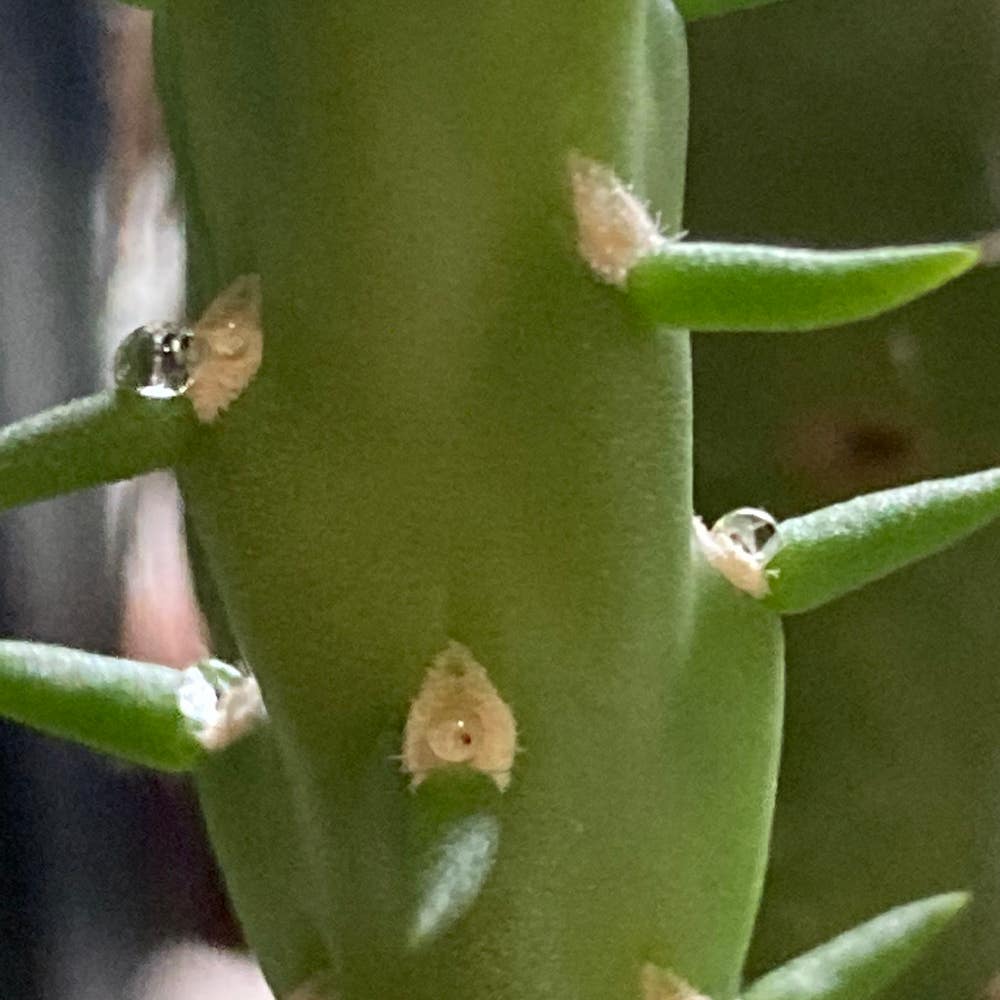
🌵 Where to Plant Your Teddy Bear Cactus
Cylindropuntia fosbergii
By the Greg Editorial Team
Jul 28, 2024•4 min read
This article was created with the help of AI so we can cover more plants for you. May contain errors. See one? Report it here.
- 🌵 Morning sun, partial afternoon shade keeps Teddy Bear Cacti healthy.
- 🌞 Rotate regularly to prevent sunburn and promote even growth.
- 🌱 Well-draining soil and proper spacing are crucial for airflow and growth.
Ideal Sunlight Conditions
🌵 Teddy Bear Cactus Sun Requirements
Teddy Bear Cacti are sun enthusiasts, requiring a daily dose of 5 to 8 hours of direct sunlight to flourish. They thrive when basking in the morning sun, which is less intense than the afternoon rays. To ensure your cactus doesn't develop a lopsided tan, rotate it occasionally, promoting even growth and preventing one-sided sunburns.
- At least 5 hours of direct sunlight is ideal.
- Morning sun is preferable to the harsher afternoon sun.
- Regular rotation can prevent uneven growth.
🌞 Protecting from Harsh Sun
Despite their love for sunlight, Teddy Bear Cacti can suffer from too much of a good thing. During the peak summer months, it's wise to provide some shade to shield them from the most intense midday sun. Use sheer curtains or shade cloth as a sunscreen alternative when planting indoors or consider strategic placement outdoors where natural shade occurs during the hottest part of the day.
- Provide midday shade in summer to prevent sunburn.
- Use sheer curtains or shade cloth for indoor plants.
- Position the cactus in spots with natural afternoon shade outdoors.
Soil Preferences
🏜️ Well-Draining Soil Essentials
Teddy Bear Cactus thrives in soil that mimics its natural arid habitat. Here's what to look for in the perfect soil mix:
- Fast drainage to prevent water from pooling around the roots.
- A blend of sandy soil, perlite, or pumice to promote aeration.
- Organic matter, like compost or peat moss, to retain essential nutrients.
💡 Soil pH and Nutrients
Balancing the soil's pH and nutrient content is key to a healthy Teddy Bear Cactus:
- Aim for a slightly acidic to neutral pH level.
- Test the soil before adding fertilizers to understand its current nutrient profile.
- Incorporate organic matter to enrich the soil without risking nutrient burn.
Planting Proximity
🌵 Spacing for Growth
When planting Teddy Bear Cactus, it's crucial to give them room to flourish. Here's what to keep in mind:
- Mature Size: Anticipate the cactus's full size and leave enough space to accommodate its growth.
- Airflow: Proper spacing ensures good air circulation, reducing the risk of disease.
- Resource Competition: Adequate distance between plants minimizes competition for water and nutrients.
🏡 Structural Considerations
The proximity of structures like walls and fences can affect your Teddy Bear Cactus:
- Root Intrusion: Avoid planting too close to prevent roots from damaging foundations.
- Shade and Sun Exposure: Structures may cast shadows, altering the sunlight your cactus receives.
- Heat Reflection: Walls can reflect heat, creating microclimates that may either benefit or harm the plant.
Microclimate and Environmental Factors
🌡️ Understanding Microclimates
Microclimates play a pivotal role in determining the ideal spot for your Teddy Bear Cactus. Here's why:
- A sheltered area can protect the cactus from excessive wind, which might otherwise cause dehydration and physical damage.
- Proximity to structures like walls or fences can create warmer zones, potentially beneficial during cooler months but possibly too hot in summer.
- Observing your garden's unique conditions, such as shaded areas during certain times of the day, can help you find a balance between the cactus's love for sunlight and its need for protection from scorching midday rays.
💨 Wind and Drainage
Ensuring your Teddy Bear Cactus is shielded from strong winds and has proper drainage is crucial:
- Position the cactus in a location where it's not exposed to harsh winds, which can lead to rapid moisture loss and stress the plant.
- Good drainage is non-negotiable. Plant your cactus in raised beds or on slopes to prevent water from pooling at the roots, which can cause rot.
- If planting in a pot, choose one with drainage holes and consider placing it on a stand or feet to facilitate water flow.
Specific Planting Recommendations
🌵 Shade Tolerance Insights
Teddy Bear Cactus enjoys a bit of a paradox when it comes to sunlight. It loves light but not too much of it, especially during the scorching midday. Here's how to hit the sweet spot:
- Look for areas that receive morning or late afternoon sun, which mimic the cactus's natural desert habitat.
- Partially shaded spots can be a sanctuary from the intense midday sun, preventing the risk of sunburn.
📍 Unique Location Preferences
Every Teddy Bear Cactus has its own personality, and by that, I mean specific site preferences. To tailor the planting site to your cactus's unique needs, consider the following:
- Avoid locations where sunlight is inconsistent, as this can stress the plant.
- Wind protection is crucial; a spot shielded from strong winds will keep your cactus happy.
- Observe the microclimate of your chosen spot throughout the day to ensure it matches the cactus's needs for light and shade.
- Remember, a happy cactus is one that's planted in a location that closely resembles its natural habitat.
⚠️ Safety First
This content is for general information and may contain errors, omissions, or outdated details. It is not medical, veterinary advice, or an endorsement of therapeutic claims.
Always consult a qualified healthcare professional before using any plant as food, medicine, or supplement.
Never eat any plant (or feed one to pets) without confirming its identity with at least two trusted sources.
If you suspect poisoning, call Poison Control (800) 222-1222, the Pet Poison Helpline (800) 213-6680, or your local emergency service immediately.
Spotted an error? Please report it here.
Watch your Teddy Bear Cactus thrive 🌵 with Greg's precise sunlight tracking and tailored care reminders, ensuring it gets just the right amount of morning glow and shade!