🌵 What Temperature Does My Hoffmann's Teddy Bear Cholla Need?
Cylindropuntia fosbergii
By the Greg Editorial Team
Feb 29, 2024•3 min read
This article was created with the help of AI so we can cover more plants for you. May contain errors. See one? Report it here.
- Daytime sweet spot: 70°F to 90°F (21°C to 32°C) for a happy cholla.
- Nighttime chill: Ideal at 50°F to 60°F (10°C to 15°C), avoid below 32°F.
- 🌡️ Watch for distress signs like discoloration and texture changes.
Dialing in the Perfect Temperature
🌵 The Goldilocks Zone for Hoffmann's Teddy Bear Cholla
Day and night temperatures are crucial for the Hoffmann's Teddy Bear Cholla. During the day, aim for a balmy 70°F to 90°F (21°C to 32°C). When the sun sets, a cooler 50°F to 60°F (10°C to 15°C) is ideal. This range is a nod to the cholla's desert roots, where dramatic temperature shifts between day and night are the norm.
❄️ When Temperatures Drop: The Chilly No-Nos
Beware the cold. Below 32°F (0°C), your cholla is at risk. Exposure to frost can be a death sentence, causing the plant to stop growing and potentially leading to cellular damage. Keep your cactus away from drafty spots to prevent an unwanted chill.
🌡️ When the Heat is On: Avoiding the Scorch
Conversely, overheating is a hazard. Temperatures soaring above 90°F (32°C) can lead to sunburn and dehydration. If your cholla's home is too hot, it might start looking sun-stressed, with discolored, brittle skin. Shade and ventilation can help mitigate a heatwave's effects.
Spotting Trouble: Signs of Temperature Distress
🌵 Visual SOS: What Your Cholla is Trying to Tell You
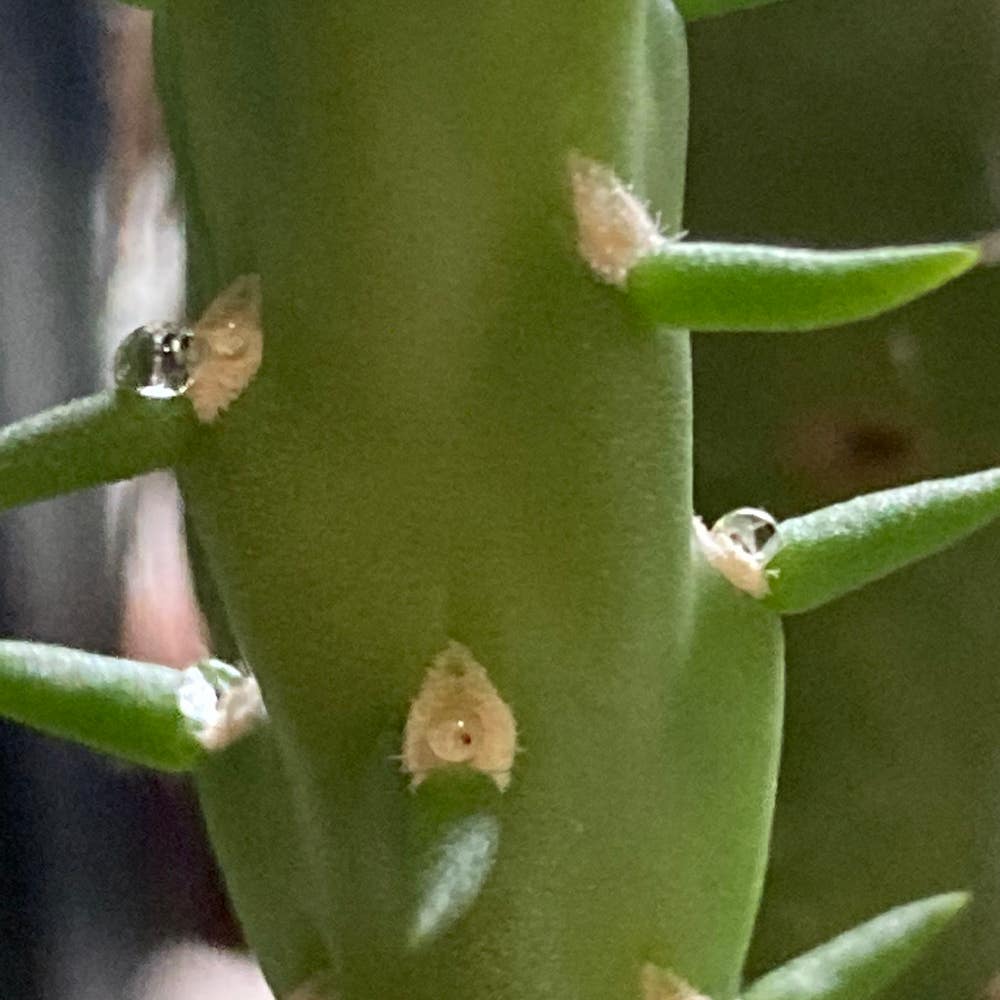
Hoffmann's Teddy Bear Cholla communicates discomfort through its appearance. Discoloration is a red flag; a shift from vibrant green to yellow or brown suggests temperature issues. Texture changes, such as a plant feeling crispy or mushy, are also distress signals.
The Consequences of Ignoring the Signs
Neglecting these signs can lead to long-term damage. A cholla under persistent stress may suffer from stunted growth or fail to recover, compromising its overall health. Act promptly when you spot trouble to ensure your cholla's longevity.
The Usual Suspects: What's Messing with Your Cholla's Climate?
🌡️ External Factors You Can Control
Seasons change, and so should your approach to temperature management for Hoffmann's Teddy Bear Cholla. In the winter, your home might become an unintended icebox, while summer could turn it into a makeshift sauna. Artificial heating and cooling sources are often the culprits behind these indoor climate swings. Positioning your cholla away from drafty windows and out of direct line with heaters or air conditioners can prevent your plant from experiencing a weather-induced identity crisis.
🌪️ Internal Battles: When Your Cholla's Environment Fights Back
Humidity might seem like a background actor in the drama of plant care, but it's got a leading role when it comes to temperature stress. Too much moisture in the air and your cholla might start to feel like it's in a steam room, while too little can leave it thirstier than a tourist in the desert. Aim for a balanced humidity level that doesn't leave your plant gasping for air or drowning in moisture. Remember, your cholla's comfort zone is a desert climate—not too humid, not too dry.
⚠️ Safety First
This content is for general information and may contain errors, omissions, or outdated details. It is not medical, veterinary advice, or an endorsement of therapeutic claims.
Always consult a qualified healthcare professional before using any plant as food, medicine, or supplement.
Never eat any plant (or feed one to pets) without confirming its identity with at least two trusted sources.
If you suspect poisoning, call Poison Control (800) 222-1222, the Pet Poison Helpline (800) 213-6680, or your local emergency service immediately.
Spotted an error? Please report it here.
Keep your Hoffmann's Teddy Bear Cholla in peak health 🌵 with Greg's personalized reminders to fine-tune your home's climate, ensuring it's always cactus-cozy.