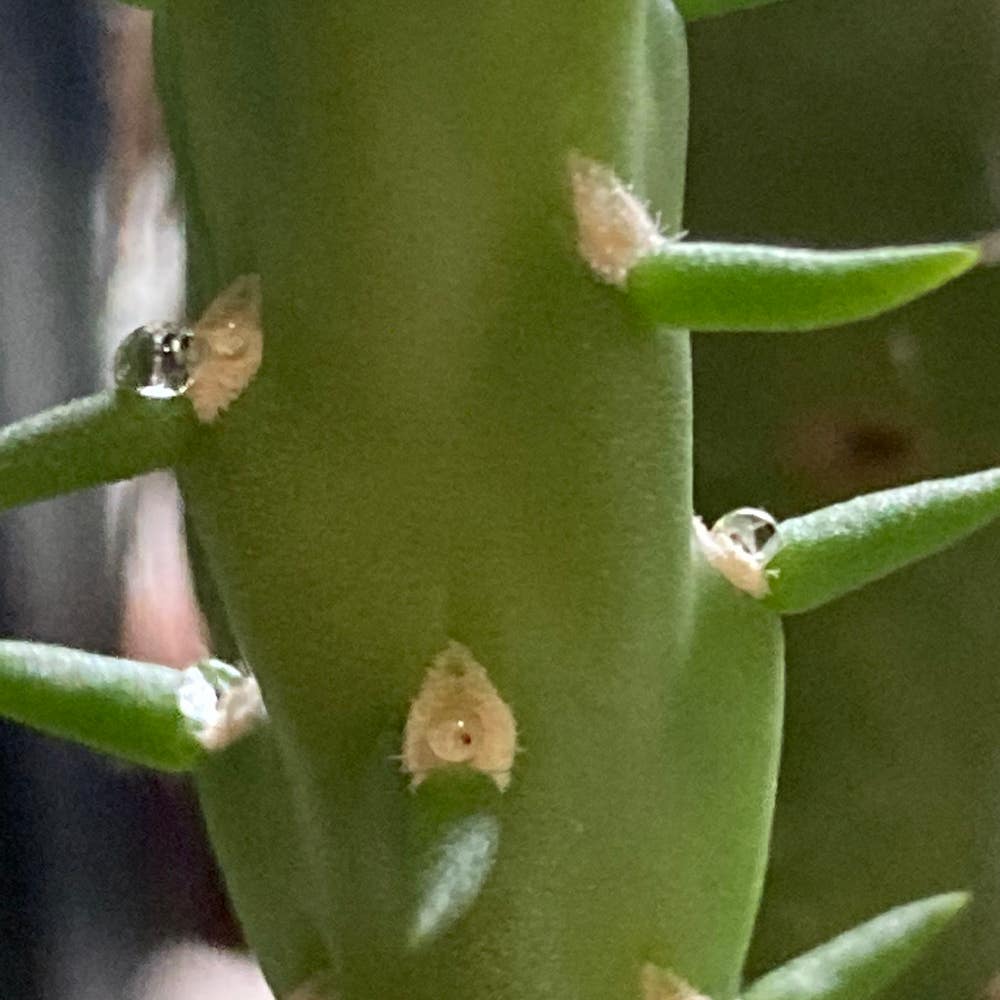
5 Plants That Love Growing with Teddy Bear Cactus 🌵
Cylindropuntia fosbergii
By the Greg Editorial Team
Jul 28, 2024•3 min read
This article was created with the help of AI so we can cover more plants for you. May contain errors. See one? Report it here.
- 🌵💧 Echeveria and Teddy Bear Cactus: Similar water needs, aesthetic contrast.
- 🌿🐜 Lavender repels pests, benefiting Teddy Bear Cactus symbiotically.
- 🚫 Avoid high-moisture companions to protect Teddy Bear Cactus's well-being.
Ideal Companions
🌵 Echeveria
Echeveria, with its minimal water needs and striking rosette form, pairs beautifully with the Teddy Bear Cactus. Both thrive in arid conditions, making them low-maintenance buddies.
- Similar water requirements reduce the risk of overwatering.
- Their contrasting shapes create a visually appealing texture in the garden.
🌱 Sedum
Sedum's hardiness complements the rugged nature of the Teddy Bear Cactus. It's a match made in heaven for gardeners seeking resilience and visual diversity.
- Both plants are drought-tolerant, promoting garden sustainability.
- Sedum's colorful blooms add a pop of color against the cactus's spiny silhouette.
🌺 Lavender
Lavender's fragrant presence not only enhances garden aesthetics but also serves as a natural pest deterrent, supporting the Teddy Bear Cactus in a symbiotic relationship.
- Its pest-repellent properties contribute to effective garden pest management.
- The purple hues of lavender flowers heighten the visual drama alongside the cactus.
🌿 Agave
Agave shares the Teddy Bear Cactus's love for the sun and well-draining soil, making them perfect partners in design and care.
- Both plants prefer similar environmental conditions, fostering a harmonious coexistence.
- Agave's bold structure alongside the Teddy Bear Cactus creates a striking architectural element.
🌴 Yucca
Yucca's upright growth and distinctive leaves offer a complementary structure that can turn a garden into a focal point of intrigue and beauty.
- The Yucca's towering presence provides a vertical contrast to the Teddy Bear Cactus's rounded form.
- Together, they contribute to a diverse and resilient garden ecosystem.
Companion Benefits
🌱 Symbiotic Relationships
Companion planting goes beyond mere aesthetics; it's about creating a thriving ecosystem. Plants like Echeveria and Sedum, when paired with Teddy Bear Cactus, can form mutualistic bonds, sharing resources and benefits.
- Echeveria may attract pollinators, aiding the cactus's reproduction.
- Sedum's dense foliage can provide microclimate stability, beneficial for the cactus's well-being.
🐜 Pest Management
Certain plants are nature's own pest control agents, and when strategically placed, they can protect your Teddy Bear Cactus from unwanted critters.
- Lavender's strong scent is known to repel common garden pests, creating a protective barrier.
- Agave can serve as a 'banker' plant, attracting beneficial insects that prey on pests, promoting biological control.
🎨 Visual Harmony
Lastly, the visual appeal of your garden can be significantly enhanced by choosing the right companions for your Teddy Bear Cactus.
- The contrasting textures and colors of Yucca and Agave add depth and interest.
- The soft hues of blooming Lavender complement the cactus's rugged appearance, creating a stunning visual display.
Incompatible Plants
When it comes to companion planting, not all plants play nice. Some can even jeopardize the well-being of your Teddy Bear Cactus. Here's a rundown of plants to steer clear of:
- High-Moisture Plants: Avoid pairing with plants that require frequent watering, like ferns or tropical species. The excess moisture can lead to root rot in your cactus.
- Invasive Species: Some plants, like the innocent-looking Mexican Petunia, can quickly overtake your garden, leaving little room for your cactus to thrive.
- Plants with Different Light Requirements: Shade-lovers such as Hostas clash with the full-sun needs of the Teddy Bear Cactus.
- Vegetables and Fruits: These often require more nutrients and water than your cactus would like, making them poor bedfellows.
- Toxic Plants: Keep an eye out for plants that are harmful to pets or humans, such as the Pencil Cactus, whose sap can be an irritant.
Remember, the key to a harmonious garden is understanding and respecting the unique needs of each plant.
⚠️ Safety First
This content is for general information and may contain errors, omissions, or outdated details. It is not medical, veterinary advice, or an endorsement of therapeutic claims.
Always consult a qualified healthcare professional before using any plant as food, medicine, or supplement.
Never eat any plant (or feed one to pets) without confirming its identity with at least two trusted sources.
If you suspect poisoning, call Poison Control (800) 222-1222, the Pet Poison Helpline (800) 213-6680, or your local emergency service immediately.
Spotted an error? Please report it here.
Pair your Teddy Bear Cactus with the ideal companions and achieve a balanced ecosystem 🌵 with Greg's personalized care plans ensuring each plant thrives together!