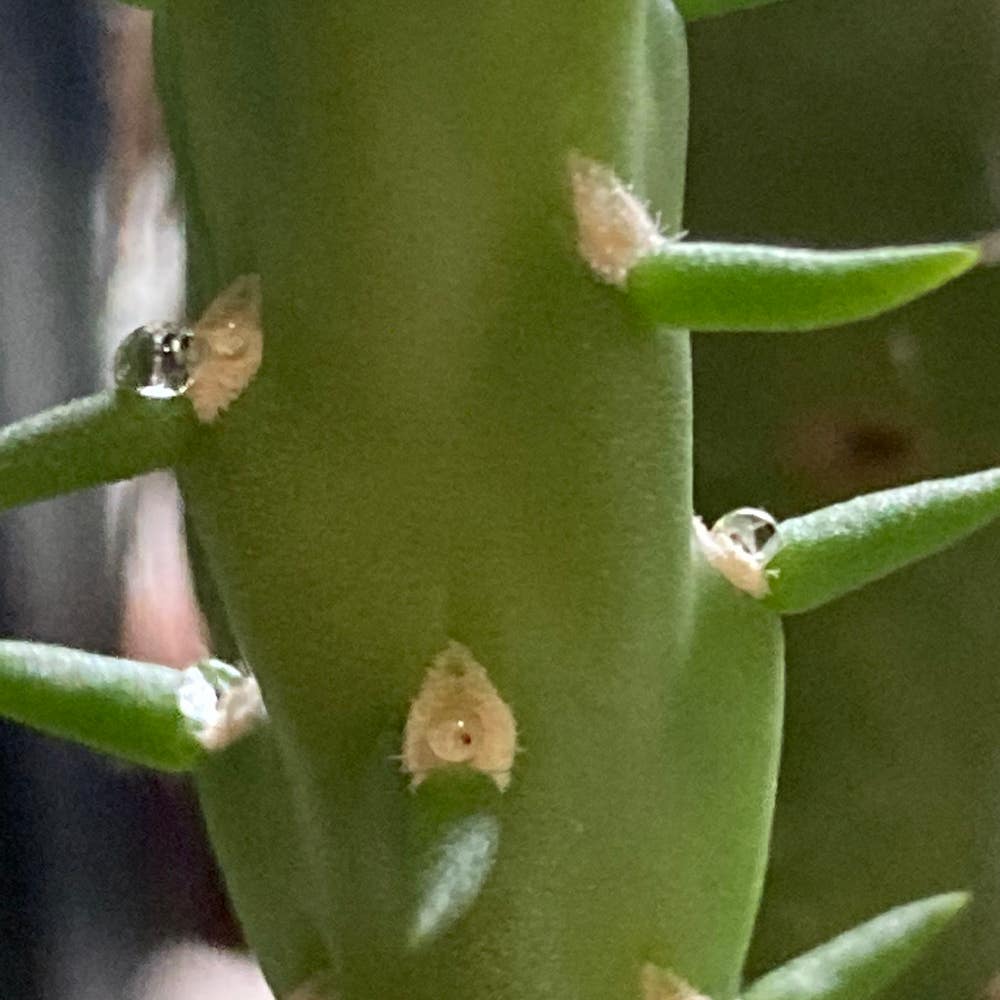
🌵 Step-by-Step Guide to Repotting Teddy Bear Cactus
Cylindropuntia fosbergii
By the Greg Editorial Team
Jul 28, 2024•4 min read
This article was created with the help of AI so we can cover more plants for you. May contain errors. See one? Report it here.
- Roots peeking out? Time to repot your Teddy Bear Cactus.
- 🏺 Terracotta pots are best for healthy roots; avoid plastic.
- 🌵 Aftercare is crucial: water gently, avoid sun, and monitor growth.
Repotting Signals
🌱 Root Conditions
Roots are the lifeline of your Teddy Bear Cactus, and they'll let you know when they're cramped. Look for these unmistakable signs:
- Roots peeking out from the drainage holes or circling the top of the soil.
- A dense network of roots visible when you gently lift the plant.
- Soil that dries out unusually fast, indicating there's more root than soil to hold moisture.
📈 Growth and Drainage
Growth and drainage issues are like silent alarms for repotting. Keep an eye out for:
- Stunted growth or a halt in development, suggesting the cactus has outgrown its current space.
- Water that drains too quickly or pools on the surface, hinting at an imbalance between soil and root mass.
- The cactus becoming top-heavy and prone to tipping, a sign that it needs a more stable foundation.
Pot Material Selection
🌵 Terracotta Benefits
- Terracotta pots promote healthy root systems by allowing air and moisture to move through their porous walls, which is ideal for the Teddy Bear Cactus that prefers drier soil.
- They are cost-effective and have a natural ability to wick away excess moisture, reducing the risk of waterlogging and root rot.
🏺 Ceramic Considerations
- Ceramic pots can be a good choice for their aesthetic appeal and durability, but they often come glazed, which reduces their breathability compared to unglazed terracotta.
- When opting for ceramic, ensure the pot has adequate drainage holes to prevent water retention that could harm the Teddy Bear Cactus.
🚫 Plastic Pot Drawbacks
- Plastic pots tend to retain moisture for longer periods, which can be detrimental to the health of a Teddy Bear Cactus that is prone to root rot in soggy soil.
- They are less environmentally friendly and may not provide the same level of aeration as terracotta or unglazed ceramic pots.
Repotting Steps
🌵 Preparation and Safety
Before you start, make sure you have all the right tools on hand for a smooth repotting experience:
- A new pot, about 2 inches larger than the current one, with drainage holes.
- Cactus mix, specifically formulated for good drainage.
- A small trowel or scoop for handling soil.
- Gardening snips or sterile pruners for any necessary root trimming.
- Thick gloves or tongs to protect your hands from the cactus spines.
- A clear, clutter-free workspace with newspaper to catch any soil spills.
🌵 Cactus Removal
Removing your Teddy Bear Cactus from its old pot is a delicate task. Here's how to do it safely:
- Water the soil a bit before starting to make the removal smoother.
- Tilt the pot and gently pull at the cactus base, using a soft twist or tap to loosen it if needed.
- If the cactus is stubborn, slide a chopstick through the drainage hole to encourage the root ball out.
- Carefully remove any entangled roots with snips, but only trim what's necessary.
- Once out, shake off the old soil to inspect the roots, handling your cactus with care.
🌵 Pot and Soil Setup
Setting up the new home for your cactus involves a few key steps:
- Place a layer of fresh cactus mix at the bottom of the new pot.
- Position the cactus in the center and add more soil around it, being careful not to compact the roots.
- Firmly press the soil around the base to secure the cactus in place.
- Water the plant deeply once repotted, then allow the soil to dry completely before the next watering.
- Hold off on fertilizing for about six weeks to let your cactus settle in.
Aftercare Post-Repotting
🌵 Immediate Care
Once your Teddy Bear Cactus is comfortably settled in its new pot, the real nurturing begins. Start with a gentle watering to moisten the fresh soil, taking care not to flood the roots. Find a spot for your spiky friend that offers bright, indirect sunlight—direct rays can be too harsh for a cactus fresh out of surgery.
- Check the soil moisture before watering; only water if the top inch feels dry.
- Position the plant in a location with indirect light to avoid sunburn.
👀 Monitoring Recovery
In the days following the repot, keep a watchful eye on your cactus for any signs of distress. A healthy transition is marked by steady growth and the absence of discoloration or drooping. If you spot trouble, don't stress—adjust the plant's environment and care routine accordingly.
- Look for new growth as a positive sign of recovery.
- Be alert to any changes in color or form that might indicate stress.
- Adjust watering and lighting as needed to support the cactus's acclimation.
⚠️ Safety First
This content is for general information and may contain errors, omissions, or outdated details. It is not medical, veterinary advice, or an endorsement of therapeutic claims.
Always consult a qualified healthcare professional before using any plant as food, medicine, or supplement.
Never eat any plant (or feed one to pets) without confirming its identity with at least two trusted sources.
If you suspect poisoning, call Poison Control (800) 222-1222, the Pet Poison Helpline (800) 213-6680, or your local emergency service immediately.
Spotted an error? Please report it here.
Repot your Teddy Bear Cactus with confidence and let Greg track its post-repotting progress, ensuring it's perfectly poised 🌵 for steady growth and health.