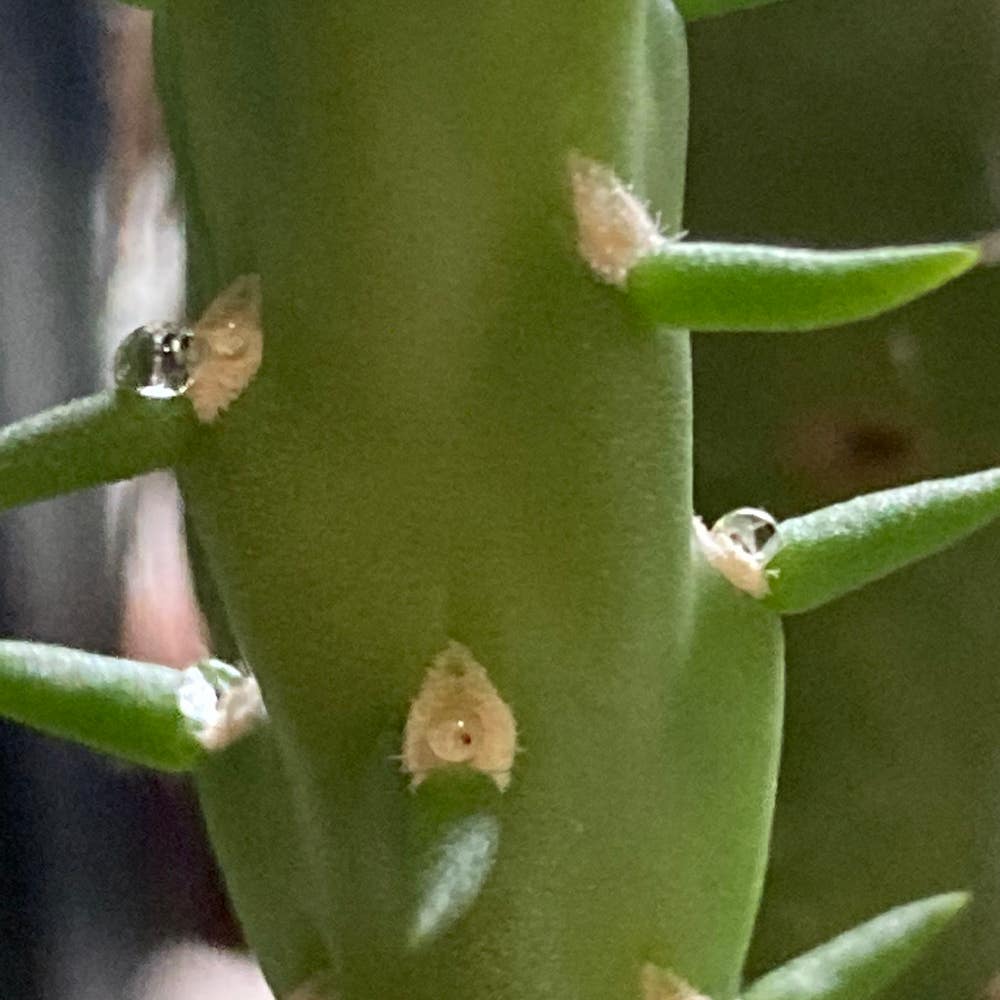
🌵 Good Temperature Range for Your Teddy Bear Cactus
Cylindropuntia fosbergii
By the Greg Editorial Team
Jul 28, 2024•3 min read
This article was created with the help of AI so we can cover more plants for you. May contain errors. See one? Report it here.
- 🌡️ Ideal range 70°F-90°F day, 50°F-60°F night for Teddy Bear Cactus health.
- 🌵 Watch for shriveling, discoloration as signs of temperature stress.
- 🛡️ Prevent stress with stable temps, shade in summer, insulation in winter.
Optimal Temperature Range
🌵 Daytime and Nighttime Needs
Teddy Bear Cactus flourishes in temperatures that echo its desert origins. During daylight hours, aim for a warm 70°F to 90°F (21°C to 32°C), which encourages growth and vitality. As the sun dips below the horizon, a cooler 50°F to 60°F (10°C to 15°C) is ideal, simulating the natural desert temperature drop and promoting healthy rest cycles for the cactus.
🌺 Seasonal Adjustments
As the seasons shift, so should your approach to cactus care. Summer may call for shading your cactus from intense heat, while winter could mean protecting it from the cold by moving it away from drafty areas. Here's how to keep your cactus comfy year-round:
Summer Care:
- Provide shade during peak heat hours.
- Consider a sheer curtain to diffuse direct sunlight.
Winter Care:
- Insulate the pot to shield against cold.
- Avoid placing your cactus near drafty windows.
Remember, gradual changes are better than sudden shifts, which can stress your spiky companion. Keep a thermometer close to ensure you're hitting the right notes for both season and time of day.
Recognizing Temperature Stress
Signs of Distress
🌡️ Teddy Bear Cactus communicates distress through its appearance. Here's what to watch for:
- Shriveled Stems: They signal the cold is too much, like a visual shiver.
- Discoloration: A shift from vibrant green to yellow or brown hues indicates sun stress.
- Texture Changes: When the cactus feels crispy or mushy, it's time to reassess its environment.
- Stunted Growth: A lack of vertical progress points to temperature issues.
- Premature Dormancy: Entering a rest phase too early can be a cry for help.
Long-Term Consequences
🌵 Neglecting temperature stress can have lasting effects:
- Chronic Stunting: Persistent stress can permanently inhibit growth.
- Sunburn: Prolonged exposure to high temperatures can cause irreversible tissue damage.
- Frost Damage: Cold snaps can lead to blackened areas, a sign of freezing injury.
- Weakened Defenses: A stressed cactus is more susceptible to pests and diseases.
Regular monitoring and quick responses to these symptoms are crucial for the health of your Teddy Bear Cactus.
Preventing Temperature Stress
Avoiding Common Mistakes
To keep your Teddy Bear Cactus happy, it's all about location and vigilance. Here's how to avoid the common temperature pitfalls:
- Place your cactus in a spot that avoids drafts and direct heat sources, like radiators or air conditioning vents.
- Use a reliable thermometer to keep track of the ambient temperature around your plant.
- Ensure good air circulation without creating a draft; a gentle fan can do wonders.
- Remember, your cactus loves stability, so aim for a consistent temperature range, avoiding sudden changes.
🚨 Emergency Measures
If your Teddy Bear Cactus is showing signs of temperature stress, act fast:
- Move the plant to a more suitable location immediately, away from extreme temperature sources.
- If overheated, gradually lower the temperature to avoid shock. A room with stable temperature or indirect cooling can help.
- For cold stress, gently warm the plant by moving it to a warmer area or using a plant-safe heater.
- After stabilizing the temperature, prune any damaged areas to prevent decay.
- Keep monitoring the temperature closely to prevent a recurrence.
⚠️ Safety First
This content is for general information and may contain errors, omissions, or outdated details. It is not medical, veterinary advice, or an endorsement of therapeutic claims.
Always consult a qualified healthcare professional before using any plant as food, medicine, or supplement.
Never eat any plant (or feed one to pets) without confirming its identity with at least two trusted sources.
If you suspect poisoning, call Poison Control (800) 222-1222, the Pet Poison Helpline (800) 213-6680, or your local emergency service immediately.
Spotted an error? Please report it here.
Navigate your Teddy Bear Cactus through the seasons seamlessly 🌡 with Greg's custom alerts for temperature shifts, keeping your prickly pal happy and healthy.