🌞 Does My Burgundy Rubber Tree Need Direct Sunlight?
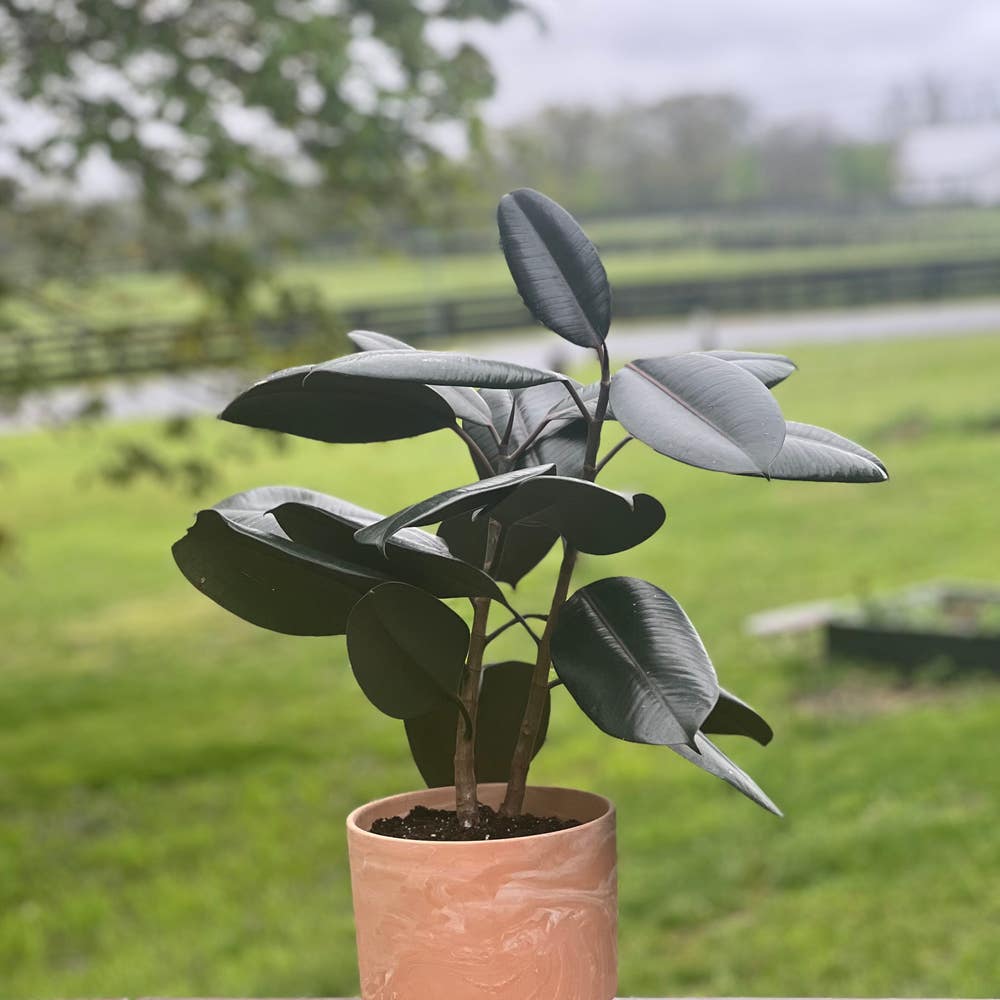
Ficus elastica 'Burgundy'
By the Greg Editorial Team
Jun 18, 2024•3 min read
This article was created with the help of AI so we can cover more plants for you. May contain errors. See one? Report it here.
Learn to shield your Burgundy Rubber Tree 🌿 from harsh rays for lush, vibrant growth.
- 🌿 Bright indirect light is best for Burgundy Rubber Trees, not direct sun.
- 🌞 East-facing windows ideal, avoid midday sun to prevent leaf scorch.
- 🌱 Observe for pale or crispy leaves to adjust light exposure accordingly.
Sunlight Showdown: Direct vs. Indirect for Your Burgundy Buddy
🌞 What's the Deal with Direct Sunlight?
Direct sunlight is like the spotlight on a stage—intense and focused. It's the unfiltered solar handshake that can be a bit too firm for some plants. Indirect sunlight, however, is the ambient lighting in a theater—present, but gentler. It's the sunlight that filters through curtains or bounces off walls, offering a softer touch that many houseplants, including your Burgundy Rubber Tree, prefer.
🌿 Burgundy Rubber Tree's Sunlight Preferences
Your Burgundy Rubber Tree isn't a sun worshipper—it's more of a shade-seeking mystic. It thrives in bright indirect light, where it can perform photosynthesis without the risk of a sunburn. Morning or late afternoon sun can be delightful, but the midday sun is a no-go zone—think leaf scorch and faded colors. If your plant's leaves are more crispy than a fresh autumn leaf, it's begging for less spotlight. Conversely, if it's stretching out like a cat in a sunbeam and still not getting enough light, it's time to move it closer to the light source. Keep an eye out for pale leaves or a lack of growth, both signs that your plant is craving more light.

Window Wisdom: Finding the Perfect Spot
🌞 The Direction Dilemma
Navigating the sunlight needs of your Burgundy Rubber Tree isn't just about finding a window; it's about finding the right window. Orientation is key. East-facing windows offer a gentle morning light that can ease your plant into the day without overwhelming it. West-facing windows pack a punch with intense afternoon rays, which might be a bit much for your leafy companion. North-facing windows are the underdogs, providing a consistent, but modest light that won't risk sunburn.
🪟 Best Windows for Your Burgundy Rubber Tree's Sunbathing Sessions
For the Burgundy Rubber Tree, east or west, that is the question. East-facing windows are like a soft morning hug for your plant, while west-facing windows provide a stronger afternoon embrace. South-facing windows? They're the all-day sun fest, which might be too much of a good thing. Rotate your plant occasionally to ensure it gets an even tan, and don't be afraid to pull it back from the window to avoid scorch marks.
🌍 Hemisphere Hints
Your hemisphere plays a role in this solar dance. If you're chilling in the Northern Hemisphere, a south-facing window is like the plant version of a beachfront property. But if you're down under in the Southern Hemisphere, you'll want to flip that—north-facing is where it's at. Remember, your Burgundy buddy doesn't need a sunburn to prove it's enjoyed summer.

Sunlight Strategies for Happy Burgundy Leaves
🌅 Timing is Everything
Morning light can be a gentle wake-up call for your Burgundy Rubber Tree. Let it soak in the early rays for a couple of hours before the sun gets too intense. Late afternoon light is also safe, offering a warm glow without the burn. However, the midday sun is the party crasher here—it's too harsh and can lead to sunburn.
🌞 Sunburn and Shade: Protecting Your Plant
Crispy leaves? That's the plant's SOS for too much sun. If your Burgundy buddy's leaves start looking like they've been in a tanning bed too long, it's time for a shade intervention. A sheer curtain can act as a sunscreen, diffusing those intense rays. And if you're dealing with a sun-scorched leaf situation, snip off the damaged parts to prevent further stress. Remember, prevention is better than cure—keep your plant in a spot that's bright but not baking.

⚠️ Safety First
This content is for general information and may contain errors, omissions, or outdated details. It is not medical, veterinary advice, or an endorsement of therapeutic claims.
Always consult a qualified healthcare professional before using any plant as food, medicine, or supplement.
Never eat any plant (or feed one to pets) without confirming its identity with at least two trusted sources.
If you suspect poisoning, call Poison Control (800) 222-1222, the Pet Poison Helpline (800) 213-6680, or your local emergency service immediately.
Spotted an error? Please report it here.
Ensure your Burgundy Rubber Tree 🌿 flourishes in just the right light with Greg's environmental monitoring, avoiding the dreaded sunburn.