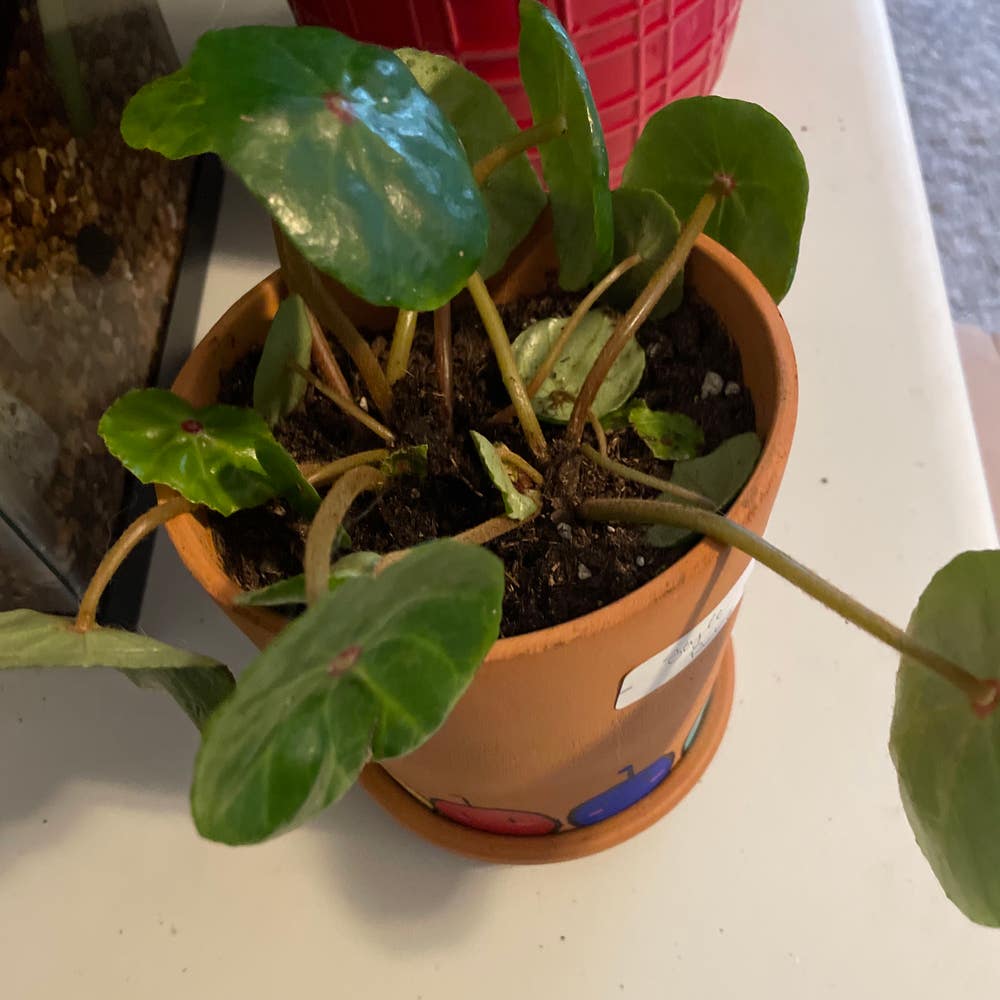
Where to Plant Your Shell Begonia 🐚
Begonia conchifolia
By the Greg Editorial Team
Oct 02, 2024•5 min read
This article was created with the help of AI so we can cover more plants for you. May contain errors. See one? Report it here.
Master the art of growing vibrant Shell Begonias 🌼 by understanding their light, soil, and care needs for thriving beauty!
- 🌞 Shell begonias need 4-6 hours of bright, indirect sunlight for optimal growth.
- 🌱 Well-draining soil is crucial; mix potting soil, perlite, and peat moss.
- 🌿 Assess microclimates and seasonal changes for ideal planting locations and protection.
Sunlight Exposure Requirements
Assessing Light Conditions 🌞
Shell begonias thrive best in bright, indirect sunlight. This optimal light condition promotes healthy growth, making it essential for your plant's well-being.
They can also tolerate partial shade, allowing them to adapt to less-than-ideal lighting situations. However, if you notice leggy growth or pale leaves, it’s a sign that your begonia isn’t getting enough light.
For outdoor planting, aim for 4-6 hours of filtered sunlight daily. This exposure helps your shell begonia flourish while preventing sunburn on those delicate leaves.
Understanding these light requirements is crucial for successful cultivation. With the right conditions, your shell begonia will reward you with vibrant foliage and stunning blooms.
Transitioning to Soil Type and Conditions 🌱
Now that you know how to assess light conditions, let’s explore the ideal soil type and conditions for your shell begonia. Proper soil composition is just as vital for their health and growth.
Soil Type and Conditions
🌱 Ideal Soil Composition
For your Shell Begonia to thrive, well-draining soil is a must. This prevents root rot, which can be a real killer for these beauties.
A recommended mix includes equal parts potting soil, perlite, and peat moss. This combination ensures aeration and moisture retention, creating a perfect environment for growth.
Don’t forget to incorporate organic matter like compost. It boosts nutrient retention, giving your plant the food it needs to flourish.
🚰 Drainage Requirements
Drainage is crucial for preventing waterlogging and root issues. Without it, your Shell Begonia could suffer from serious health problems.
When planting indoors, always choose pots with drainage holes. This simple step can save your plant from drowning.
For outdoor planting, consider using raised beds or mounds. These options enhance drainage and keep your plant's roots happy and healthy.
By focusing on the right soil type and ensuring proper drainage, you set the stage for a thriving Shell Begonia. Next, let’s explore effective site selection strategies to maximize your plant’s potential.
Site Selection Strategies
🗺️ Evaluating Garden Layout
When planting your Shell Begonia, start by assessing existing garden features like trees, fences, and structures. These elements can significantly influence light exposure and overall growth.
Next, map out sunlight patterns by observing how light shifts throughout the day. This will help you identify the ideal placement for your begonias, ideally near other plants that provide dappled shade.
🏠 Proximity to Structures and Other Plants
Planting near structures offers multiple benefits, including wind protection and shade. This can create a more stable environment for your Shell Begonia.
Consider companion planting by choosing plants with similar light and water needs. Just be careful to avoid overcrowding; your begonias need space to flourish.
🌡️ Evaluating Microclimates
Understanding microclimates is crucial for optimal growth. These are areas with unique temperature and light conditions that can affect your plants.
Identify warm spots, such as south-facing walls or patios, where your begonias can soak up the sun. Conversely, utilize cooler areas like north-facing sides for partial shade, ensuring your plants thrive in a balanced environment.
By carefully considering these site selection strategies, you can create the perfect home for your Shell Begonia. Next, let’s dive into the environmental factors that will further enhance their growth.
Environmental Factors
🌬️ Wind Protection Strategies
Wind can be a silent enemy for your Shell Begonia. Protecting your plants from strong gusts is crucial to prevent leaf damage and stress.
Consider using natural barriers like hedges or fences. These can effectively shield your begonias from harsh winds, creating a more stable environment.
🌡️ Temperature Considerations
Shell Begonias thrive in a cozy temperature range of 15°C to 24°C (60°F to 75°F). Keeping them within this range ensures they remain healthy and vibrant.
Be mindful of extreme temperatures. Protect your plants from frost and heat waves, as both can be detrimental to their growth.
🍂 Seasonal Changes Affecting Location Choice
Spring is the perfect time to assess your garden's light and temperature conditions. As the season changes, so should your planting strategies.
In summer, keep an eye on excessive heat. Adjust your begonias' placement to ensure they remain comfortable and well-hydrated.
As fall approaches, prepare for indoor relocation. This proactive step will help your Shell Begonia thrive as temperatures drop.
With these environmental factors in mind, you'll be well-equipped to create the ideal conditions for your Shell Begonia. Next, let's explore practical tips for planting to ensure your begonias flourish.
Practical Tips for Planting
Best Practices for Planting 🌱
When planting Shell Begonias indoors, opt for decorative pots that have drainage holes. This ensures excess water can escape, preventing root rot and promoting healthy growth.
For outdoor planting, start by preparing the site. Clear away any debris and amend the soil to create a nutrient-rich environment for your begonias.
Timing is crucial for successful planting. Aim to plant in spring or early fall when temperatures are mild, allowing your begonias to establish themselves before extreme weather hits.
Additional Considerations 🌼
Don't forget to check the soil moisture before planting. It should be slightly damp but not soggy, providing the perfect conditions for your begonias to thrive.
Lastly, consider the overall aesthetics of your planting area. Grouping your Shell Begonias with complementary plants can enhance your garden's visual appeal while ensuring they receive the right amount of light.
With these practical tips, you'll set your Shell Begonias up for success, creating a vibrant and flourishing display in your home or garden. Next, let’s explore how to maintain the ideal conditions for your begonias throughout the seasons.
⚠️ Safety First
This content is for general information and may contain errors, omissions, or outdated details. It is not medical, veterinary advice, or an endorsement of therapeutic claims.
Always consult a qualified healthcare professional before using any plant as food, medicine, or supplement.
Never eat any plant (or feed one to pets) without confirming its identity with at least two trusted sources.
If you suspect poisoning, call Poison Control (800) 222-1222, the Pet Poison Helpline (800) 213-6680, or your local emergency service immediately.
Spotted an error? Please report it here.
Help your shell begonias thrive beautifully 🌼 with Greg's tailored care reminders for optimal light and soil conditions!