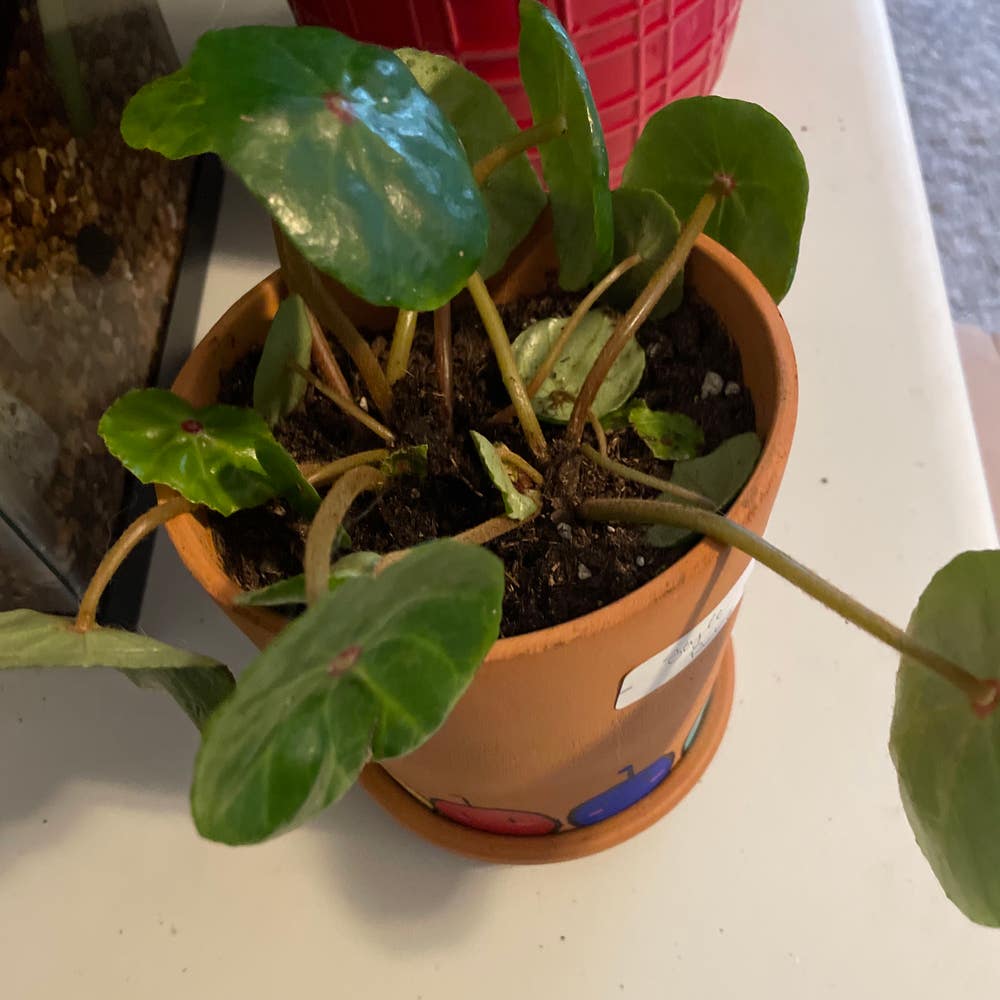
Best Soil for Begonia conchifolia
Begonia conchifolia
By the Greg Editorial Team
Feb 09, 2024•4 min read
This article was created with the help of AI so we can cover more plants for you. May contain errors. See one? Report it here.
Nurture a lush Begonia conchifolia 🌿 with the perfect soil mix for peak health and beauty!
- Mold signals soil distress; change watering habits and improve drainage.
- Fluffy, well-draining soil mimics Begonia conchifolia's natural habitat.
- DIY mix with perlite or pumice ensures proper aeration and drainage.
Spotting Trouble: Signs Your Begonia conchifolia Soil is Unhappy
🍄 Mold and Mildew: Red Flags in the Soil
Mold on your Begonia conchifolia's soil isn't a trendy accessory; it's a distress signal. The sight of white, fuzzy growths or mushrooms is like your plant's way of waving a white flag. It's screaming for a change, usually in watering habits or better drainage.
💦 Water Woes: Recognizing Poor Drainage and Compaction
When your Begonia conchifolia's soil feels more like a wet sponge than a nurturing bed, it's time to act. Overly damp soil is a party invitation for root rot, and nobody wants that kind of bash. If the soil is more compacted than a crowded elevator, your plant's roots are probably suffocating. It's a clear sign that your soil needs aeration, stat.
The Perfect Blend: What Begonia conchifolia Soil Craves
Begonia conchifolia demands a soil mix that's as particular as its vibrant foliage. Let's dive into what makes the ideal home for these botanical beauties.
💨 Getting the Texture Right: Aeration and Drainage
The goal is to mimic a forest floor—fluffy, loose, and teeming with life. A mix that's too dense is like a crowded elevator; roots can't breathe and water can't flow. To avoid this, blend equal parts peat moss or coir with perlite or sand. This creates a spacious environment, promoting healthy root growth and preventing water from overstaying its welcome.
🧪 pH and Nutrients: The Chemical Sweet Spot
Begonia conchifolia thrives in a mildly acidic to neutral pH, between 6.1 and 6.5. Stray too far from this range, and you're essentially putting a 'Do Not Enter' sign on the nutrients your plant craves. Regular soil testing can keep you in the loop. As for nutrients, think of them as the seasoning—essential, but a delicate balance is key. A well-composed mix with compost or worm castings can provide a slow-release feast for your begonia's roots.
Fixing the Foundation: Reviving Unhealthy Soil
🍄 Mold Busters: Natural Remedies and Amendments
Mold on your Begonia conchifolia's soil is a no-go. To evict this unwelcome guest:
- Scrape off any visible mold from the soil's surface.
- Water less—let the soil dry out more between waterings.
- Before watering, do a moisture check; only water if necessary.
- If mold's a stubborn squatter, mix in perlite or pumice to boost aeration.
Organic matter is your soil's superhero. Add compost or well-aged manure to enrich with nutrients. For structure, perlite, coarse sand, or clay pebbles can prevent compaction, giving roots the space they crave.
🌱 Drainage and Aeration Tactics: Loosening Up Compact Soil
Compacted soil is like tight jeans—uncomfortable for Begonia conchifolia roots. To loosen up:
- Repot with a mix of potting soil, coarse sand, and perlite.
- Ensure pots have adequate drainage holes; they should drain quicker than a colander.
- For chronic sogginess, consider raised beds or enriched soil.
- Clip dead leaves to improve air circulation around the plant.
Remember, roots need to breathe, and soggy soil is a party pooper. Improve your soil's structure with a mix that's part peat, part pine bark, and part perlite—a trifecta for terrific drainage. This combo keeps water moving, so roots don't drown.
Crafting Your Own: A DIY Soil Mix for Begonia conchifolia
🌱 The Base: Choosing the Right Components
Creating a DIY soil mix for your Begonia conchifolia is like becoming a chef for your plant's roots. The base is crucial; think of it as the foundation of a house. Start with a quality potting soil as your canvas, which provides structure and essential nutrients.
For aeration and drainage, which Begonia conchifolia adores, add perlite or pumice. These are the unsung heroes that prevent root rot by keeping the soil environment well-ventilated and free from excess water.
🎨 The Add-Ins: Perfecting the Mix with Amendments
Now, let's talk amendments. Begonia conchifolia thrives in soil that is neutral to mildly acidic. To hit this sweet spot, consider adding peat moss for moisture control and slight acidity.
Organic matter is like a slow-release fertilizer; it feeds your plant over time. Add compost or worm castings, but don't go overboard—a sprinkle is enough. These add-ins are packed with nutrients and will make your Begonia conchifolia feel like it's dining at a five-star restaurant.
For those who want to keep their Begonia conchifolia's soil loose and airy, pine bark fines are a great choice. They're like the croutons in your salad; they add texture and prevent the soil from compacting over time.
Remember, crafting your own soil mix isn't set in stone. Observe how your Begonia conchifolia responds and tweak the recipe as needed. This is the art and science of gardening—constant learning and adjusting.
⚠️ Safety First
This content is for general information and may contain errors, omissions, or outdated details. It is not medical, veterinary advice, or an endorsement of therapeutic claims.
Always consult a qualified healthcare professional before using any plant as food, medicine, or supplement.
Never eat any plant (or feed one to pets) without confirming its identity with at least two trusted sources.
If you suspect poisoning, call Poison Control (800) 222-1222, the Pet Poison Helpline (800) 213-6680, or your local emergency service immediately.
Spotted an error? Please report it here.
Prevent mold and root rot in your Begonia conchifolia by letting Greg keep an eye on soil moisture and provide tailored watering plans 🪴.