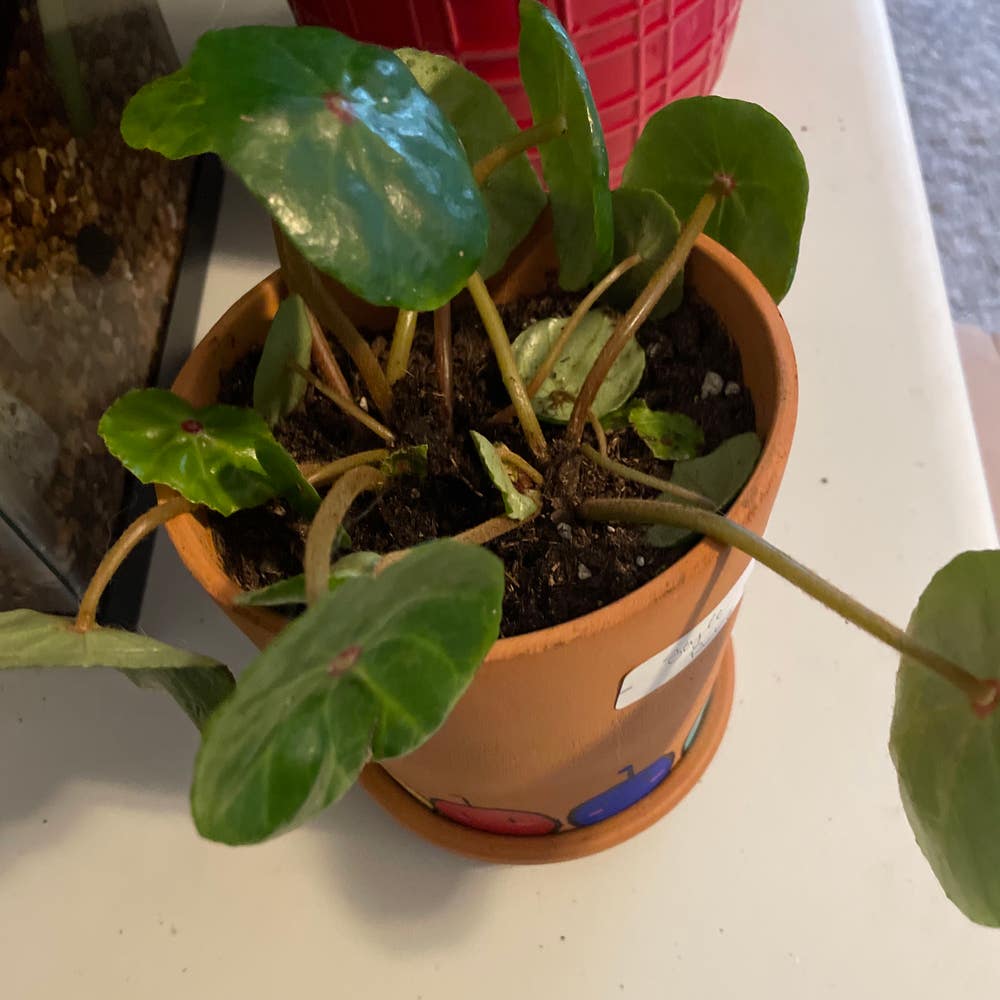
Ultimate Guide to Growing Shell Begonia 🐚
Begonia conchifolia
By the Greg Editorial Team
Oct 02, 2024•6 min read
This article was created with the help of AI so we can cover more plants for you. May contain errors. See one? Report it here.
Transform your space with vibrant Shell Begonias 🌱 by mastering essential care tips for thriving growth!
- 🌞 Shell Begonias thrive in bright, indirect sunlight to avoid leaf scorch.
- 🌡️ Ideal temperature is 18°C to 24°C with humidity above 50% for optimal growth.
- 🌱 Use well-draining potting mix and monitor for pests to ensure healthy plants.
Choosing a Location
🌞 Ideal Light Conditions
For Shell Begonias, bright, indirect sunlight is your best friend. This light condition promotes healthy growth while avoiding the risks of leaf scorch that can occur with direct sunlight.
🏡 Outdoor vs. Indoor Growing Considerations
When deciding between indoor and outdoor growing, consider the benefits of controlled environments indoors. They offer consistent humidity levels, while outdoor growing requires careful attention to climate and seasonal changes.
🌡️ Temperature and Humidity Requirements
Shell Begonias thrive in temperatures ranging from 18°C to 24°C (65°F to 75°F). They also prefer high humidity levels, ideally 50% or more, to keep their leaves lush and vibrant.
Finding the right location for your Shell Begonia is crucial for its overall health. With the right light, temperature, and humidity, you're setting the stage for a thriving plant. Next, let’s dive into soil preparation to ensure your Begonia has the best foundation for growth.
Soil Preparation
Best Soil Types 🌱
To ensure your Shell Begonia thrives, start with a well-draining potting mix. This is crucial for aeration and drainage, preventing water from pooling around the roots.
For the best results, consider a blend of peat moss, perlite, and compost. These components work together to create a light, nutrient-rich environment that supports healthy growth.
Soil pH Requirements ⚗️
Maintaining the right soil pH is essential for your plant's health. Aim for a pH range of 5.5 to 6.5 to promote optimal nutrient absorption.
Testing your soil pH can be done using simple tools like pH test strips or digital meters. Regular checks will help you keep your Shell Begonia in peak condition.
Importance of Drainage and Aeration 💧
Poor drainage can lead to serious issues like overwatering and root rot. It's vital to ensure that excess water can escape easily.
To improve soil aeration, mix in coarse materials such as sand or small stones. This will help create air pockets, allowing roots to breathe and thrive.
With the right soil preparation, your Shell Begonia will be set for success. Next, let’s dive into effective planting techniques to get your plant off to a great start.
Planting Techniques
Step-by-Step Planting Guide 🌱
Planting your Shell Begonia is straightforward and rewarding. Start by preparing the planting site or container, ensuring it has proper drainage to prevent waterlogging.
Next, fill the container with the appropriate soil mix, leaving enough space for root growth. This is crucial for the plant's development.
Once the soil is ready, position the Shell Begonia at the correct depth. Aim to plant it at the same level it was in the nursery pot.
Finally, water the plant thoroughly. This helps settle the soil around the roots, giving your begonia a solid start.
Container vs. Ground Planting 🏡
Choosing between container and ground planting can impact your Shell Begonia's growth. Container planting offers flexibility and mobility, allowing you to move your plant to optimize light exposure.
On the other hand, ground planting can enhance outdoor landscaping. Consider your space and climate when making this decision.
Spacing and Depth Considerations 📏
Proper spacing is vital for healthy growth. Aim to plant your Shell Begonias 12-18 inches apart to allow for air circulation and light access.
When it comes to depth, ensure you plant at the same level as in the nursery pot. This helps maintain the plant's health and encourages robust growth.
With these planting techniques in mind, you're well on your way to nurturing a thriving Shell Begonia. Next, let’s explore how to effectively water and fertilize your plant for optimal health.
Watering and Fertilizing
💧 Watering Frequency and Techniques
Shell Begonias thrive on a consistent watering schedule, typically every 1-2 weeks. Adjust this frequency based on your plant's environment; warmer conditions may require more frequent watering.
When it comes to techniques, consider bottom watering for a thorough soak. This method allows the roots to absorb moisture directly, promoting healthier growth. Alternatively, top watering is effective but ensure the water drains well to avoid soggy soil.
🚫 Signs of Overwatering and Underwatering
Recognizing the signs of overwatering is crucial. Look for yellowing leaves, wilting, and root rot as indicators that your plant is drowning.
On the flip side, underwatering manifests as crispy leaf edges and drooping foliage. If you notice these symptoms, it’s time to adjust your watering routine.
🌱 Recommended Fertilizers and Feeding Schedule
For optimal growth, use balanced NPK fertilizers or liquid fertilizers. These provide essential nutrients that keep your Shell Begonia vibrant and healthy.
Feed your plant monthly during the growing season to support its growth. This regular feeding schedule ensures your plant gets the nourishment it needs to flourish.
By mastering watering and fertilizing, you set the stage for a thriving Shell Begonia. Next, let’s dive into pruning and ongoing care to keep your plant in top shape.
Pruning and Ongoing Care
✂️ Pruning Techniques for Healthy Growth
Pruning your Shell Begonia is essential for maintaining its health and vigor. Aim to prune in early spring or right after flowering to encourage new growth.
Pinching back stems helps promote bushier plants, while removing dead leaves keeps your plant looking tidy. Regular pruning not only enhances aesthetics but also stimulates growth.
🐛 Pest and Disease Management
Shell Begonias can attract common pests like aphids, spider mites, and mealybugs. Keep an eye out for these nuisances, as they can quickly become a problem if left unchecked.
Preventing diseases is equally crucial. Ensure good air circulation around your plants and maintain hygiene by cleaning up fallen leaves and debris.
🌦️ Seasonal Care Tips
As the seasons change, so should your care routine. Adjusting your watering and light exposure based on seasonal variations is key to keeping your Shell Begonia thriving.
In winter, reduce watering and protect your plant from cold drafts. This simple adjustment can make a significant difference in its overall health.
By staying proactive with pruning, pest management, and seasonal adjustments, you’ll set your Shell Begonia up for success. Next, let’s dive into common challenges and solutions to keep your plant flourishing.
Common Challenges and Solutions
Identifying and Solving Common Problems 🌱
Leaf drop can be a common issue for Shell Begonias. This often occurs due to stress from environmental changes or improper care.
To remedy leaf drop, assess your plant's conditions. Ensure it's not too dry or too wet, and check for pests that might be causing distress.
Wilting is another concern, but it can stem from two different issues: overwatering or underwatering. To differentiate, feel the soil; if it's soggy, you may be overwatering. Conversely, dry soil indicates a need for water.
Tips for Maintaining Optimal Growth Conditions 🌞
Monitoring humidity levels is crucial for Shell Begonias. Using a hygrometer can help you keep track of moisture in the air, ensuring it stays above 50%.
Adjusting light exposure is equally important. Rotating your plants regularly promotes even growth and prevents them from leaning toward the light source.
Troubleshooting Growth Issues 🛠️
Slow growth can be frustrating, but it often signals that something is off. Assess your plant's light, water, and nutrient levels to identify the root cause.
Leaf discoloration can indicate nutrient deficiencies or pest issues. Regularly inspect your plant and consider a balanced fertilizer to boost its health.
By addressing these common challenges, you can ensure your Shell Begonia thrives beautifully. With the right care, you'll enjoy a vibrant, flourishing plant that brings joy to your space.
⚠️ Safety First
This content is for general information and may contain errors, omissions, or outdated details. It is not medical, veterinary advice, or an endorsement of therapeutic claims.
Always consult a qualified healthcare professional before using any plant as food, medicine, or supplement.
Never eat any plant (or feed one to pets) without confirming its identity with at least two trusted sources.
If you suspect poisoning, call Poison Control (800) 222-1222, the Pet Poison Helpline (800) 213-6680, or your local emergency service immediately.
Spotted an error? Please report it here.
Transform your space with thriving Shell Begonias 🌱 by using Greg's tailored care reminders and expert tips to keep them flourishing beautifully!