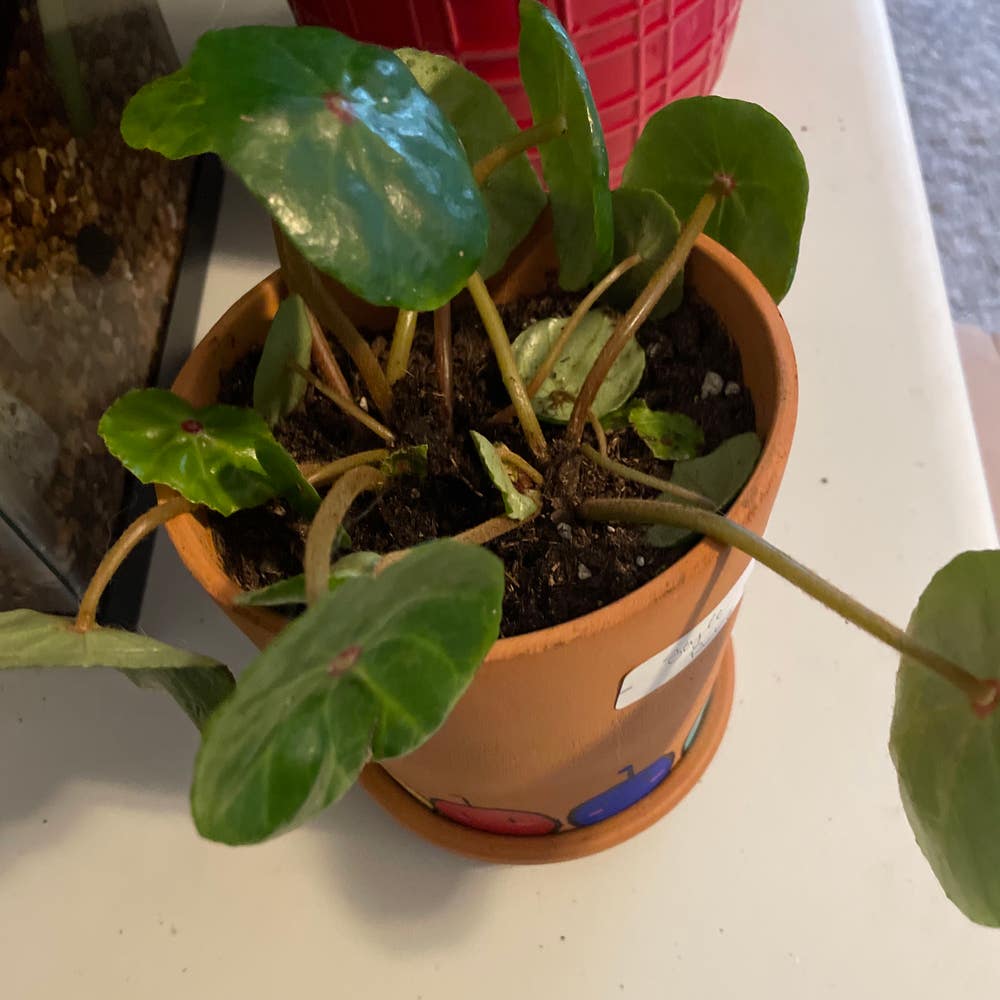
🐌 4 Steps to a Healthy Outdoor Shell Begonia
Begonia conchifolia
By the Greg Editorial Team
Oct 02, 2024•6 min read
This article was created with the help of AI so we can cover more plants for you. May contain errors. See one? Report it here.
Transform your Shell Begonias 🌱 into vibrant beauties with essential tips on light, water, and care! 🌼
- 🌞 Shell Begonias need 4-6 hours of bright, indirect light for optimal growth.
- 💧 Water when the top inch of soil is dry; adjust for seasons.
- 🌱 Use well-draining soil and fertilize monthly for vibrant, healthy begonias.
Sunlight Requirements
Ideal Conditions 🌞
Shell Begonias thrive in bright, indirect light. They prefer about 4-6 hours of filtered sunlight each day to flourish.
Signs of Inadequate Light 🚨
If your Begonia starts dropping leaves, it’s a clear sign it’s not getting enough light. Stunted growth is another indicator, as low light levels can slow down its development.
Adjusting Light Exposure 🛠️
To combat harsh sunlight, consider using shade cloth during peak hours. Rotating your pots regularly can also help ensure that all sides receive even light distribution, promoting balanced growth.
With the right light conditions, your Shell Begonia will be on its way to thriving beautifully. Next, let’s explore how to meet its watering needs effectively.
Watering Needs and Techniques
Watering Frequency 🌧️
Shell begonias thrive with a simple watering routine. The general guideline is to water when the top inch of soil feels dry, ensuring your plant stays hydrated without drowning.
Seasonal adjustments are key. During hot summer months, you may need to water more frequently to keep your begonias happy and healthy.
Techniques for Effective Watering 💧
Deep watering is essential for these plants. This technique ensures moisture reaches the root zone, promoting robust growth and vitality.
To avoid waterlogging, always use pots with drainage holes or well-draining soil. This prevents excess water from sitting at the bottom, which can lead to root rot.
Signs of Overwatering and Underwatering 🚨
Recognizing the signs of overwatering is crucial. Look out for yellowing leaves and mushy stems, which indicate your plant is getting too much moisture.
On the flip side, underwatering can also be detrimental. Watch for wilting and crispy leaf edges, signaling that your begonia needs a drink.
With these watering techniques and signs in mind, you can keep your outdoor shell begonia thriving. Next, let’s explore the ideal soil preferences and fertilization strategies to further enhance your plant's health.
Soil Preferences and Fertilization
Ideal Soil Composition 🌱
For your outdoor Shell Begonia, a well-draining potting mix is essential. Aim for a blend of peat, perlite, and vermiculite to ensure optimal drainage and aeration.
The pH level should be slightly acidic to neutral, ideally between 6.0 and 7.0. This range supports healthy growth and nutrient absorption.
Fertilization Schedule 📅
During the growing season, which spans from spring to early fall, fertilize your begonias monthly. This regular feeding helps them thrive and produce vibrant blooms.
Signs of Nutrient Deficiency ⚠️
Keep an eye out for yellowing leaves, which can indicate a nitrogen deficiency. If your begonias are struggling to flower, it might suggest a lack of phosphorus.
By understanding these soil preferences and fertilization needs, you can create a nurturing environment for your Shell Begonias. This foundation will set the stage for their vibrant growth and stunning displays.
Next, let’s explore the best planting options and how to protect your begonias from unpredictable weather.
Planting Options and Weather Protection
🌱 Container vs. Ground Planting
Choosing between container and ground planting for your Shell Begonia can significantly impact its growth.
Benefits of Container Planting
Container planting offers mobility, allowing you to move your plants to optimal light or shelter. It also provides a controlled environment, making it easier to manage soil quality and moisture levels.
Drawbacks of Container Planting
However, containers can limit root space, which may stunt growth. Additionally, they require more frequent watering, especially in hot weather.
Benefits of Ground Planting
Planting in the ground allows for natural growth conditions, promoting healthier root systems. Ground planting also retains moisture better, reducing the need for constant watering.
Drawbacks of Ground Planting
On the downside, you have less control over soil quality, which can affect plant health. Ground-planted begonias are also more vulnerable to pests and diseases.
☔️ Strategies for Weather Protection
Protecting your Shell Begonia from extreme weather is crucial for its health and longevity.
Protecting from Extreme Heat
During hot spells, provide afternoon shade to prevent leaf scorch. Regular watering is essential to keep the soil consistently moist.
Protecting from Frost
When frost threatens, cover your plants with frost cloth to shield them from cold temperatures. For container plants, consider bringing them indoors to ensure they stay warm and protected.
By understanding these planting options and weather protection strategies, you can create a thriving environment for your Shell Begonia. Next, let's explore effective pest and disease management to keep your plants healthy and vibrant.
Pest and Disease Management
Common Outdoor Pests 🐞
Outdoor Shell Begonias can attract a few pesky visitors. Aphids are notorious for curling leaves and leaving a sticky residue behind.
Spider mites are another concern; keep an eye out for fine webbing and stippled leaves, which indicate their presence.
Signs of Disease ⚠️
Fungal infections can sneak up on your begonias, often showing up as yellowing leaves and wilting.
Root rot is a serious issue, typically caused by overwatering, and is characterized by mushy roots that can spell disaster for your plant.
Control Methods 🛠️
To combat these pests, neem oil is a fantastic option. It’s effective against a variety of pests and is a natural solution.
Insecticidal soap is another safe choice, especially for edible plants, ensuring you can protect your begonias without compromising safety.
By staying vigilant and employing these control methods, you can keep your Shell Begonias thriving and healthy.
Next, let’s explore seasonal care tips to ensure your begonias flourish throughout the year.
Seasonal Care and Climate Zone Considerations
🌱 Seasonal Care Tips
Caring for your outdoor shell begonia varies with the seasons.
Spring is the perfect time for pruning and starting your monthly feeding routine. This helps stimulate growth as the plant emerges from dormancy.
In summer, increase your watering frequency and stay vigilant against pests. The heat can stress your begonias, so keep an eye out for any signs of trouble.
As fall approaches, reduce your watering and apply mulch to retain moisture. This prepares your plants for the cooler months ahead.
During winter, containers need special attention. Bring them indoors or cover ground-planted begonias to protect them from frost.
🌍 Climate Zone Considerations
Understanding your climate zone is crucial for successful begonia care.
Shell begonias thrive best in USDA zones 9-11, where temperatures are milder.
If you live in a drier climate, increase your watering to compensate for the lack of moisture. Conversely, in cooler zones, use protective measures to shield your plants from harsh conditions.
By adapting your care routine to the seasons and climate, you can ensure your shell begonias flourish year-round.
Next, let’s explore pest and disease management to keep your begonias healthy and vibrant.
⚠️ Safety First
This content is for general information and may contain errors, omissions, or outdated details. It is not medical, veterinary advice, or an endorsement of therapeutic claims.
Always consult a qualified healthcare professional before using any plant as food, medicine, or supplement.
Never eat any plant (or feed one to pets) without confirming its identity with at least two trusted sources.
If you suspect poisoning, call Poison Control (800) 222-1222, the Pet Poison Helpline (800) 213-6680, or your local emergency service immediately.
Spotted an error? Please report it here.
Keep your Shell Begonias thriving outdoors 🌞 by using Greg's tailored care reminders and expert tips to adapt your routine for every season!