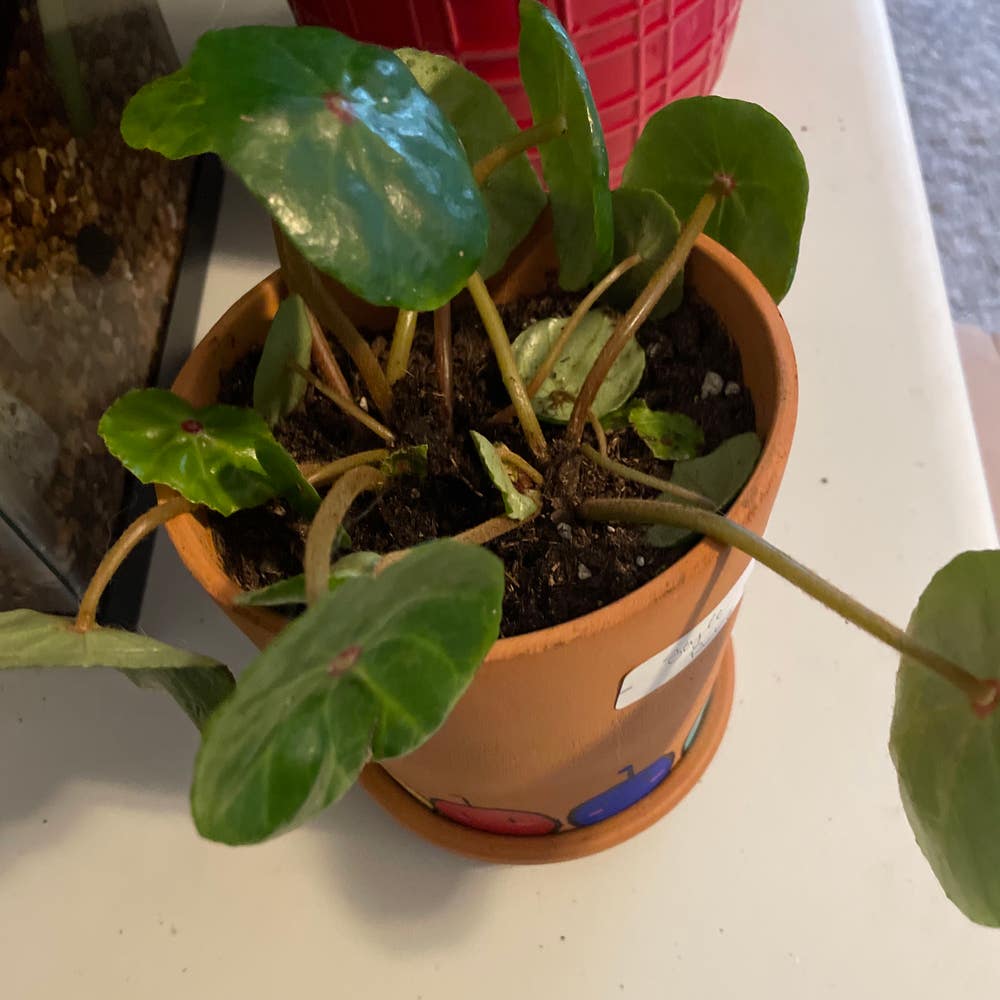
How to Fertilize Your Begonia conchifolia
Begonia conchifolia
By the Greg Editorial Team
Feb 09, 2024•5 min read
This article was created with the help of AI so we can cover more plants for you. May contain errors. See one? Report it here.
Nurture a lush Begonia conchifolia 🌿 with our essential guide to perfect fertilization—bloom like a pro!
- NPK ratios matter: Nitrogen, phosphorus, potassium for Begonia conchifolia health.
- Seasonal fertilizing: Liquid in growth, granular for slow release, less in dormancy.
- Over-fertilization signs: Yellow leaves, stunted growth, white crust; recover with care.
Choosing the Right Fertilizer for Your Begonia conchifolia
💡 Balanced Fertilizers: The Key to Happy Begonias
NPK ratios are non-negotiable when it comes to Begonia conchifolia. These ratios represent nitrogen (N), phosphorus (P), and potassium (K), each vital for different aspects of your plant's health. For lush leaves, nitrogen takes the lead. Phosphorus is your go-to for vibrant blooms, while potassium keeps the overall plant functions in check.
Liquid fertilizers are like a quick sip for your begonias, providing immediate nutrients. They're especially useful during the active growing season. Remember to dilute; these plants prefer a light cocktail over a stiff drink.
Granular fertilizers, on the other hand, are the slow burners. They release nutrients over time, making them a time-release treasure for the more forgetful gardeners. They're a set-it-and-forget-it solution, perfect for consistent feeding without constant attention.
🌱 Organic vs. Synthetic: Making an Informed Choice
Organic fertilizers are the old souls of plant food. They improve soil structure, increase water retention, and encourage beneficial microorganisms. They're a slow release, which means they're less likely to cause nutrient burn. Plus, they're eco-friendly, which is always a win.
Synthetic fertilizers are the fast food of the plant world—quick, convenient, and packed with nutrients. However, they can be a bit harsh on the roots and don't do much for soil health. They're like that friend who's great in a crisis but not so good for the long haul.
When choosing between organic and synthetic, consider your Begonia's needs and your own lifestyle. If you're a set-it-and-forget-it type, organic might be your match. If you're after immediate results, synthetic could be the ticket. Just don't overdo it—these plants can be drama queens if they dine too richly.
Timing is Everything: When to Fertilize
🌱 Growing Season Galore: Fertilizing When Begonia conchifolia is Thirsty for Nutrients
Begonia conchifolia's growth cycle is your cue for fertilization. As the plant exits its winter rest, usually around March, it's primed for a nutrient boost. This is when you should start with a balanced liquid fertilizer, diluted to half strength, to kick off the season.
As temperatures rise, so does the Begonia's appetite. Maintain a regular feeding schedule through the warm months. Think of it as keeping the pantry stocked for a plant that's hitting its growth spurt.
Resting Phase: Reducing Fertilization During Dormancy
When the air gets crisp and daylight wanes, your Begonia conchifolia starts to yawn. It's entering its dormancy period. This is your signal to ease off the fertilizing pedal. Reduce applications and consider stopping altogether during the coldest months.
Remember, over-fertilizing in winter is like pouring coffee into a sleeping plant's pot – it's unnecessary and can lead to a groggy Begonia. Keep an eye on the plant's response and adjust your approach accordingly.
The Art of Fertilizing Begonia conchifolia
💧 Getting Down to the Roots: Application Techniques
To apply liquid fertilizers to your Begonia conchifolia, think like a bartender mixing a delicate cocktail. Dilute the fertilizer to half strength to avoid shocking the plant's system. Pour it gently around the base, ensuring the soil is already moist to prevent root burn.
For granular fertilizers, act as if you're seasoning a gourmet dish. Sprinkle them evenly around the plant's base and lightly incorporate them into the top layer of soil. Follow up with a thorough watering to help the nutrients seep down to where they're needed most.
📏 Quantity and Frequency: Less is Often More
Determining the right amount of fertilizer is like finding the perfect volume on your stereo—not too loud, not too soft. Use the recommended dose on the label as a starting point, but remember, Begonia conchifolia often thrives on less.
As for frequency, it's a rhythm game. During the growing season, fertilize every two to four weeks. Once winter hits, hit pause—your Begonia is resting and won't need the extra nutrients. Keep this up, and you'll hit the sweet spot for a happy, blooming Begonia.
Recognizing and Resolving Over-Fertilization
🚨 Spotting Trouble: Symptoms of Too Much Love
Over-fertilization can turn your Begonia conchifolia from a vibrant gem to a wilted wallflower. Yellowing leaves and stunted growth are your first clues. A telltale white crust on the soil? That's excess fertilizer salts shouting for attention. If the leaf tips look more like crispy autumn leaves than lush greenery, it's time to rethink your feeding strategy. And don't be fooled by wilting leaves in damp soil—it's a classic sign of nutrient overdose, not thirst.
💪 The Recovery Plan: Bouncing Back from Over-Fertilization
Caught in the act of over-fertilizing? Don't panic. First, remove any visible fertilizer from the plant's base. Flood the soil with water to flush out excess nutrients—repeat every few days until your Begonia perks up. Snip off any brown or wilting leaves; they're not coming back. For potted plants, consider a fresh start with new, nutrient-free soil. Hold off on the fertilizer for a few weeks, giving your plant a chance to recover. And remember, when you resume feeding, less is often more—your Begonia will thank you for the gentle touch.
⚠️ Safety First
This content is for general information and may contain errors, omissions, or outdated details. It is not medical, veterinary advice, or an endorsement of therapeutic claims.
Always consult a qualified healthcare professional before using any plant as food, medicine, or supplement.
Never eat any plant (or feed one to pets) without confirming its identity with at least two trusted sources.
If you suspect poisoning, call Poison Control (800) 222-1222, the Pet Poison Helpline (800) 213-6680, or your local emergency service immediately.
Spotted an error? Please report it here.
Nurture your Begonia conchifolia to peak health 🌱 with Greg's tailored fertilization reminders, ensuring you never miss a beat in your plant's growth cycle.