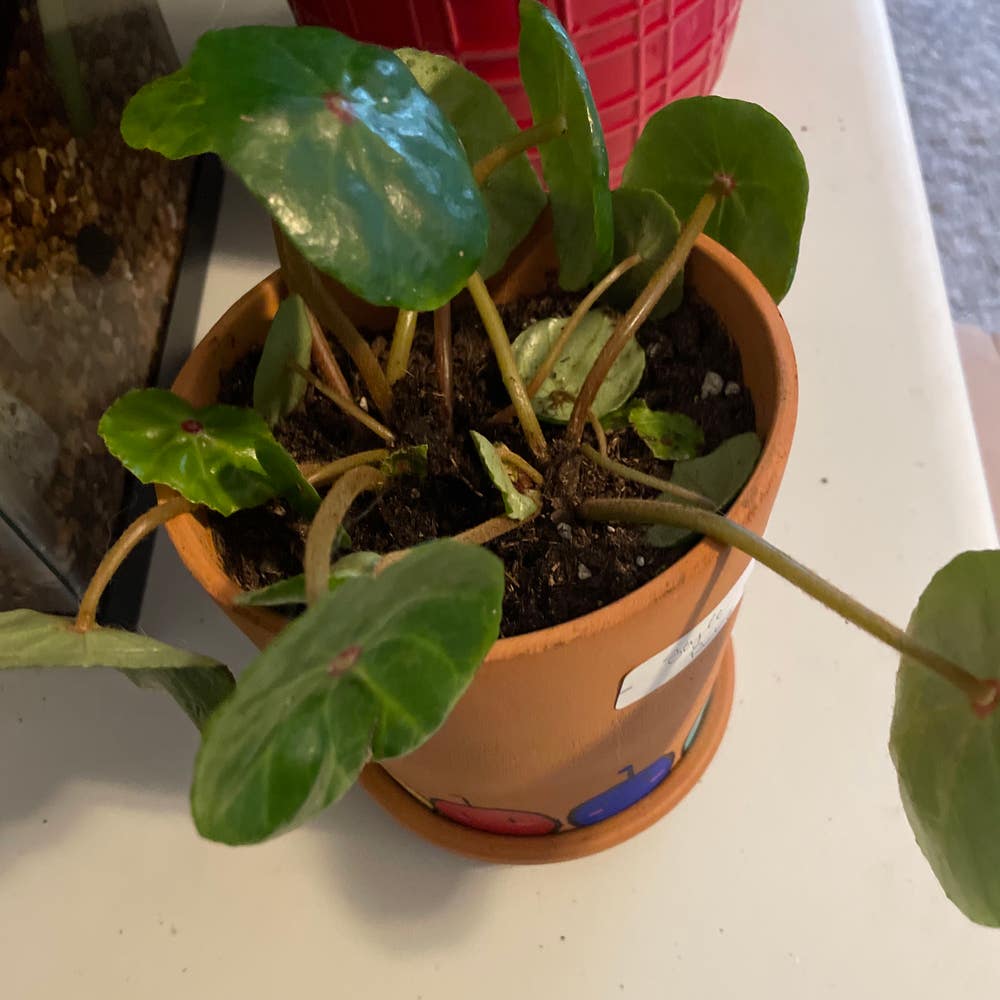
5 Key Factors in Choosing a Shell Begonia Pot 🐚
Begonia conchifolia
By the Greg Editorial Team
Oct 02, 2024•4 min read
This article was created with the help of AI so we can cover more plants for you. May contain errors. See one? Report it here.
Transform your Shell Begonias 🌱 into thriving beauties by mastering pot size and material choices for optimal growth!
- 🌱 Start with 4-6 inch pots for optimal Shell Begonia root development.
- 🚫 Signs of needing a larger pot include roots through drainage holes and wilting leaves.
- 🌿 Choose pot materials wisely—clay promotes air circulation, while plastic is lightweight.
Pot Size Considerations
Recommended Sizes for Seedlings 🌱
When starting your Shell Begonia, choose a container that’s about 4-6 inches in diameter. This smaller size encourages root development, allowing your plant to establish a solid foundation before moving on to larger pots.
As your plant grows, it’s essential to transition to bigger pots. This gradual increase in size supports healthy growth and prevents root crowding.
Size for Mature Plants 🌳
For mature Shell Begonias, opt for pots that are 8-12 inches in diameter. Larger varieties may need even bigger pots to accommodate their expansive root systems.
Providing ample space for root expansion is crucial. A well-sized pot ensures your plant thrives and maintains its vibrant foliage.
Signs Indicating a Need for a Larger Pot 🚨
Keep an eye out for signs that your Shell Begonia needs a larger pot. If you notice roots growing through the drainage holes, it’s time to upgrade.
Other indicators include wilting or yellowing leaves, even with proper watering, and stunted growth. These symptoms suggest your plant is root-bound and requires more space to flourish.
Transitioning to the next topic, understanding pot materials is equally important in ensuring your Shell Begonia thrives.
Pot Materials
🌱 Benefits of Clay Pots
Clay pots are a fantastic choice for shell begonias. Their porous nature promotes air circulation and helps regulate moisture, which is crucial for healthy root development.
Additionally, clay pots have an aesthetic appeal that beautifully complements the ornamental foliage of shell begonias. Their weight also provides stability, preventing top-heavy plants from tipping over.
🪴 Advantages of Plastic Pots
Plastic pots offer a range of benefits, especially for indoor gardening. They are lightweight and easy to move, making them ideal for rearranging your plant displays.
Moreover, plastic pots are typically less expensive and come in various sizes, catering to different plant needs. They also retain moisture longer, which can be beneficial in dry environments.
⚖️ Comparison of Other Materials
Ceramic Pots
Ceramic pots can add a touch of elegance to your plant collection. However, they tend to be heavier and may crack over time.
Many ceramic pots come with a glaze that enhances their appearance but can affect drainage. This is something to consider when choosing the right pot for your shell begonia.
Biodegradable Pots
Biodegradable pots are an eco-friendly option that decomposes over time. They are particularly suitable for seedlings, providing a nurturing environment for young plants.
However, these pots may not offer the long-term support needed for mature shell begonias. It's essential to weigh the benefits and limitations when selecting your pot material.
Choosing the right pot material is crucial for the health and growth of your shell begonia. Next, let’s explore the importance of drainage and how it impacts plant health.
Drainage and Health
Importance of Drainage Holes 🌧️
Drainage holes are crucial for preventing water accumulation, which can lead to root rot. Aim for at least 3-5 holes in your pot for optimal drainage.
Effects of Poor Drainage 🚫
When drainage is inadequate, you may notice symptoms like yellowing leaves and mushy stems. Over time, poor drainage can stunt growth and make your Shell Begonia more susceptible to diseases.
Solutions for Improving Drainage 🛠️
To enhance drainage, consider adding a layer of gravel or perlite at the bottom of the pot.
Choosing pots with built-in drainage features can also help, as can regularly checking and cleaning drainage holes to prevent blockages.
With proper drainage, your Shell Begonia will thrive, setting the stage for successful repotting and growth. Next, let’s explore the best practices for repotting your beloved plant.
Repotting Shell Begonia
🌱 Best Practices for Repotting
Repotting your Shell Begonia is a delicate process. Start by gently removing the plant from its current pot, ensuring you don’t damage the roots.
Once out, refresh the soil with a well-draining mix specifically designed for Shell Begonias. This will provide the nutrients your plant needs to thrive.
⏰ Timing for Repotting
Timing is crucial when it comes to repotting. For mature plants, it's generally recommended to repot every 1-2 years.
Watch for signs that indicate it's time to repot, such as root-bound conditions or soil depletion. These signals mean your plant is ready for a new home.
🪴 Choosing the Right Pot During Repotting
When selecting a new pot, aim for one that is 1-2 inches larger in diameter than the current pot. This extra space allows for healthy root expansion.
Make sure the new pot has adequate drainage holes and is made from suitable materials to promote your plant's health. This attention to detail will set your Shell Begonia up for success.
Transitioning to the next topic, understanding pot materials can further enhance your Shell Begonia's growth and well-being.
⚠️ Safety First
This content is for general information and may contain errors, omissions, or outdated details. It is not medical, veterinary advice, or an endorsement of therapeutic claims.
Always consult a qualified healthcare professional before using any plant as food, medicine, or supplement.
Never eat any plant (or feed one to pets) without confirming its identity with at least two trusted sources.
If you suspect poisoning, call Poison Control (800) 222-1222, the Pet Poison Helpline (800) 213-6680, or your local emergency service immediately.
Spotted an error? Please report it here.
Choose the perfect pot for your Shell Begonia 🌱 with Greg's tailored reminders and expert tips to keep your plant thriving and vibrant!