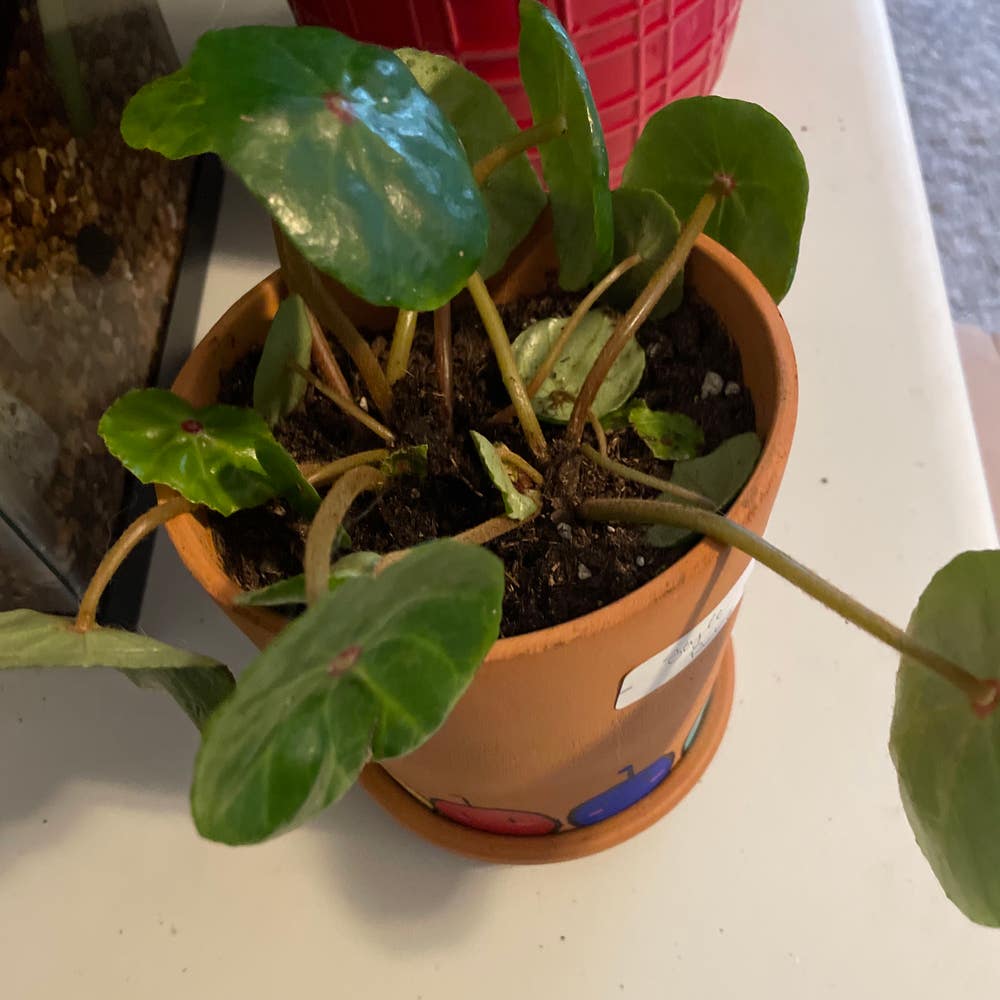
🐚 Step-by-Step Guide to Winterizing Shell Begonia
Begonia conchifolia
By the Greg Editorial Team
Oct 02, 2024•4 min read
This article was created with the help of AI so we can cover more plants for you. May contain errors. See one? Report it here.
Ensure your Shell Begonias thrive this winter with essential care tips and frost protection strategies! 🌱❄️
- 💧 Water Shell Begonias every 2-3 weeks in winter to prevent overwatering.
- 🌞 Provide bright, indirect light indoors to keep Shell Begonias thriving during winter.
- ❄️ Protect from frost by relocating pots indoors and using frost cloths on cold nights.
Winter Care Requirements
Adjusting Watering Schedule for Winter 🌨️
During winter, it's crucial to adjust your watering routine for Shell Begonias. Reduce watering to every 2-3 weeks to prevent overwatering, which can lead to yellowing leaves and mushy stems.
Allow the soil to dry out between waterings. This practice helps maintain healthy roots and prevents rot, ensuring your plant stays vibrant through the colder months.
Fertilizing During Dormancy ❄️
When winter arrives, your Shell Begonia enters a dormant phase. This means minimal to no fertilization is necessary during this time.
If you feel it's essential, use a diluted, balanced fertilizer sparingly. Resume your regular fertilization schedule in early spring to support new growth.
Light and Humidity Needs in Winter 💡
Shell Begonias thrive in bright, indirect light, especially during winter. Avoid placing them in direct sunlight, as this can scorch their leaves.
Maintaining humidity levels around 50-60% is also vital. You can increase humidity by using a humidity tray or misting the leaves occasionally, creating a cozy environment for your plant.
With these winter care requirements, your Shell Begonia will be well-prepared to weather the cold months ahead. Next, let’s explore effective frost protection strategies to keep your plant safe from harsh winter conditions.
Frost Protection Strategies
Methods to Protect from Frost 🥶
Frost can be a real threat to your Shell Begonias, but there are effective strategies to keep them safe. Start by covering your plants with frost cloths or blankets on particularly cold nights to provide a protective barrier.
If your begonias are in pots, consider relocating them indoors or to a sheltered area during frosty spells. This simple move can make a significant difference in their survival.
Another effective method is mulching. Apply a layer of mulch around outdoor plants to insulate the roots and retain warmth. This extra layer can be a game-changer in protecting your begonias from the chill.
Signs of Frost Damage and Recovery 🥵
Recognizing frost damage early can help you take action quickly. Look for symptoms like wilting, browning leaves, and mushy stems. These signs indicate that your plant is struggling and needs immediate attention.
To aid recovery, prune away any damaged areas to encourage new growth. Providing warmth and moisture will also help your begonias bounce back.
Monitoring temperature is crucial during winter. Use thermometers to track conditions and ensure your plants are not exposed to harmful cold. Keeping an eye on the weather can save your begonias from frost-related stress.
With these strategies in place, your Shell Begonias will be well-equipped to withstand the winter chill. Next, let’s explore how to care for your begonias indoors during the colder months.
Indoor Winter Care
Transitioning Indoors 🌱
Timing is crucial when moving your Shell Begonia indoors. Bring it inside before the first frost hits to prevent any cold damage.
Acclimatization is key for a smooth transition. Gradually introduce your plant to indoor conditions over a week to help it adjust without shock.
Ideal Indoor Conditions for Winter ❄️
Maintaining the right temperature is essential. Aim for a cozy range between 15°C to 24°C (60°F to 75°F) to keep your plant thriving.
Light conditions matter too. Ensure your Shell Begonia receives bright, indirect light and steer clear of dark corners where it might struggle.
Humidity is another factor to consider. Use a humidifier or place water trays nearby to maintain optimal moisture levels for your plant.
With these indoor care tips, your Shell Begonia will not only survive but flourish through the winter months. As you prepare for spring, keep an eye out for signs of recovery and growth, which will lead us into the next section on spring preparation.
Spring Preparation and Recovery
🌱 Signs of Recovery from Winter Damage
As winter fades, your Shell Begonia will start showing signs of recovery. Look for fresh leaves or shoots emerging, signaling that your plant is ready to thrive again.
You’ll also notice a return of vibrant leaf patterns, which is a great indicator of health. Overall vigor will increase, with a noticeable boost in growth rate as your plant shakes off the winter chill.
🌼 Preparing for Spring Growth
Now is the time to get proactive about your plant's health. Start by pruning away any dead or damaged leaves and stems to encourage new growth.
Once the last frost has passed, reassess the location of your Shell Begonia. Moving it back outdoors will provide the sunlight and warmth it craves.
Finally, kick off a regular fertilization schedule to support this new growth phase. A balanced approach will help your plant flourish as it enters the vibrant season of spring.
With these steps, you’ll ensure your Shell Begonia not only survives but thrives as it welcomes the warmer months ahead.
⚠️ Safety First
This content is for general information and may contain errors, omissions, or outdated details. It is not medical, veterinary advice, or an endorsement of therapeutic claims.
Always consult a qualified healthcare professional before using any plant as food, medicine, or supplement.
Never eat any plant (or feed one to pets) without confirming its identity with at least two trusted sources.
If you suspect poisoning, call Poison Control (800) 222-1222, the Pet Poison Helpline (800) 213-6680, or your local emergency service immediately.
Spotted an error? Please report it here.
Keep your Shell Begonia thriving this winter ❄️ by using Greg's tailored watering reminders and care tips to navigate the cold months with confidence!