🐚 Mature Height of Your Shell Begonia
Begonia conchifolia
By the Greg Editorial Team
Oct 02, 2024•6 min read
This article was created with the help of AI so we can cover more plants for you. May contain errors. See one? Report it here.
Transform your space with thriving shell begonias 🌱 by mastering their growth and care for stunning results!
- 🌱 Shell begonias grow 12-24 inches, influenced by variety and care conditions.
- 🌞 Optimal light and watering are crucial for healthy growth and size.
- ✂️ Regular pruning promotes bushiness and maintains desired size in shell begonias.
Mature Height and Spread
Height 🌱
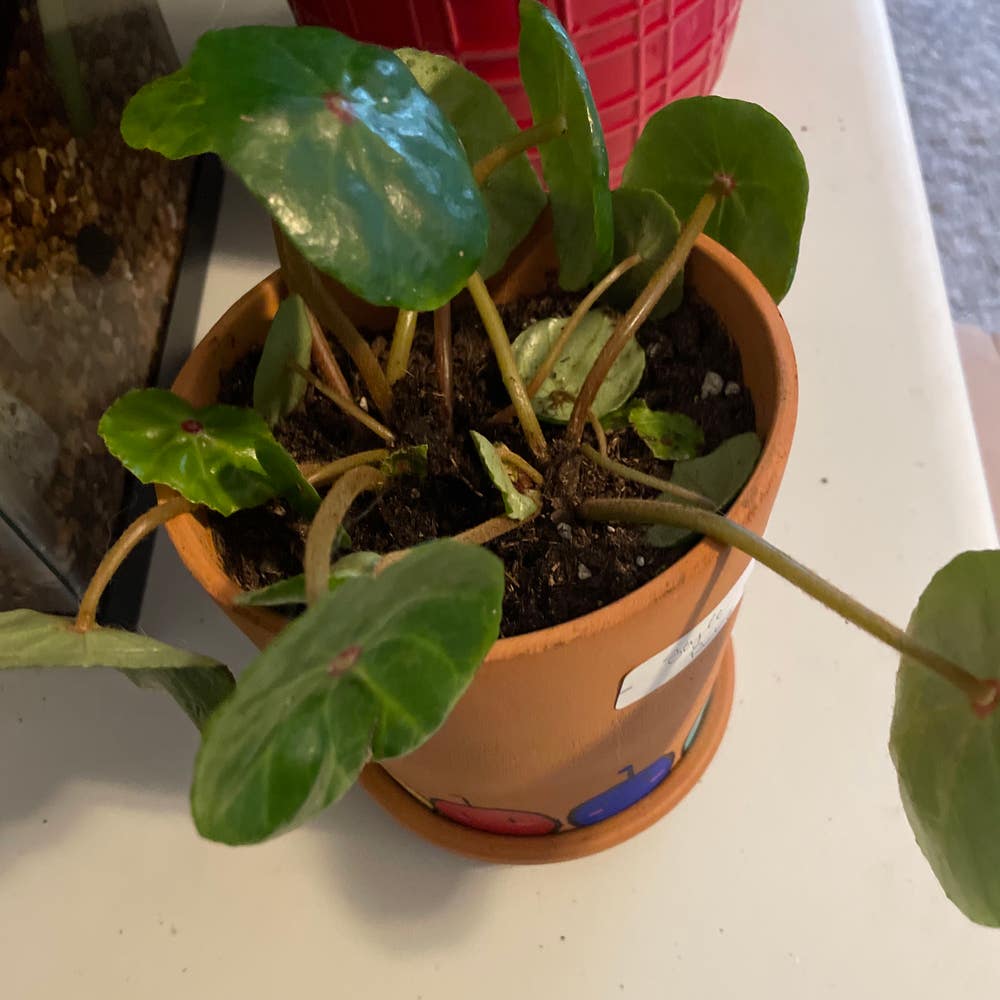
Shell begonias typically reach a height range of 12 to 24 inches. This variation largely depends on two key factors: the specific variety you choose and the growing conditions, including light, soil quality, and water availability.
Factors Influencing Height 📏
When selecting a variety, consider how its characteristics align with your space and preferences. Additionally, providing optimal growing conditions can significantly enhance your plant's height potential.
Spread 🌿
In terms of spread, shell begonias average about 18 inches wide. Their growth habit is bushy, giving them a compact and full appearance that can beautifully fill out any garden space.
Growth Habit 🌼
This bushy form not only adds visual interest but also makes them ideal for container gardening. Their compact nature allows for creative arrangements without overwhelming smaller spaces.
With a solid understanding of height and spread, you can better plan your garden layout. Next, let’s explore the growth rate of shell begonias and how to foster their development.
Growth Rate
Average Growth Rate in Optimal Conditions 🌱
Shell begonias are known for their moderate growth rate, typically reaching heights of 6 to 12 inches per year. To achieve this, they thrive best in well-draining soil and require indirect light exposure.
Growth Rate Variations Based on Environment 🌍
However, the growth rate can vary significantly based on environmental factors. Poor lighting can lead to slower growth, while overwatering may cause stunted growth and root issues, hindering their overall development.
Understanding these growth dynamics is crucial for nurturing your shell begonia effectively. With the right conditions, you can enjoy a flourishing plant that adds beauty to your space.
Next, let’s explore how long it takes for your shell begonia to reach its full size.
Time to Reach Full Size
📅 Timeline for Maturity
Shell begonias typically take 1 to 2 years to reach their full size. This timeline can vary significantly based on care practices and environmental factors.
⚖️ Factors Affecting Time to Maturity
Several elements play a crucial role in determining how quickly your begonia matures.
- Soil Quality: Rich, well-draining soil promotes faster growth, while poor soil can hinder development.
- Nutrient Availability: Regular feeding with appropriate fertilizers can accelerate maturity.
- Watering Consistency: Maintaining a steady watering schedule helps prevent stress on the plant.
- Light Exposure: Adequate indirect light is essential for optimal growth; too little can slow down the process.
By paying attention to these factors, you can help your shell begonia thrive and reach its full potential more quickly.
As you nurture your plant, remember that patience is key. With the right conditions, your begonia will flourish beautifully, setting the stage for the next section on size variability among different varieties.
Size Variability Among Varieties
🌱 Dwarf Varieties
Dwarf shell begonias are a delightful choice for those with limited space. Typically reaching heights of just 6 to 12 inches, they offer a compact growth habit that fits perfectly in small gardens or containers.
🌳 Giant Varieties
On the other end of the spectrum, giant shell begonias can exceed 24 inches in height. These robust plants boast larger leaves and a more commanding presence, making them a striking addition to any landscape.
📏 Comparison of Size Among Different Cultivars
When exploring the world of shell begonias, you'll find a variety of popular cultivars, each with unique mature dimensions. Breeding plays a significant role in this size variability, as growers select for traits that enhance both aesthetics and growth patterns.
Understanding these differences can help you choose the right variety for your space and gardening goals. Whether you opt for a dwarf or a giant, each type brings its own charm and beauty to your collection.
As you consider your options, think about how these size variations can complement your overall garden design. With the right choice, your shell begonias can thrive and add vibrant color to your home.
Next, let’s dive into how you can control the size of your begonias through effective pruning techniques.
Controlling Size Through Pruning
✂️ Techniques for Pruning
Pruning your shell begonia is essential for maintaining its size and shape. Two effective methods include pinching back new growth and cutting back leggy stems.
Pinching back new growth encourages a bushier appearance, while cutting back leggy stems helps to promote a more compact form. Both techniques are relatively easy and can significantly enhance the plant's overall health.
📏 Best Practices for Maintaining Desired Size
To keep your shell begonia at the desired size, aim to prune every 6 to 8 weeks during the growing season. This regular maintenance prevents overgrowth and keeps your plant looking its best.
You'll need clean, sharp pruning shears for the job. Using the right tools ensures clean cuts, which helps the plant heal quickly.
🌱 Seasonal Considerations for Pruning
Timing is crucial when it comes to pruning. The best time to prune your shell begonia is early spring, just before new growth begins.
Avoid pruning during dormancy, as this can stress the plant and hinder its recovery. By following these seasonal guidelines, you’ll promote healthy growth and maintain the size you want.
With proper pruning techniques and timing, your shell begonia can thrive beautifully. Next, let’s explore how growing conditions impact its size.
Impact of Growing Conditions on Size
🌱 Soil Type and Its Effect on Growth
Shell begonias thrive in well-draining soil rich in organic matter. Poor soil can lead to reduced growth and significant size variability, making it crucial to choose the right mix for optimal health.
☀️ Light Conditions and Their Influence on Size
These plants prefer indirect sunlight for 6 to 8 hours daily. Too much direct sunlight can cause leaf burn and stunt growth, so finding that sweet spot is essential for a thriving begonia.
💧 Watering Practices and Size Variability
Consistent moisture is key to preventing both overwatering and underwatering. The frequency of watering directly impacts growth rate and final size, so keep an eye on your plant's needs to ensure it flourishes.
Understanding these growing conditions can make a significant difference in the size and health of your shell begonia. With the right care, you can enjoy a lush, vibrant plant that enhances your space beautifully.
⚠️ Safety First
This content is for general information and may contain errors, omissions, or outdated details. It is not medical, veterinary advice, or an endorsement of therapeutic claims.
Always consult a qualified healthcare professional before using any plant as food, medicine, or supplement.
Never eat any plant (or feed one to pets) without confirming its identity with at least two trusted sources.
If you suspect poisoning, call Poison Control (800) 222-1222, the Pet Poison Helpline (800) 213-6680, or your local emergency service immediately.
Spotted an error? Please report it here.
Unlock the full potential 🌿 of your shell begonia with Greg's tailored care tips and watering reminders, ensuring your plant thrives beautifully in any space!