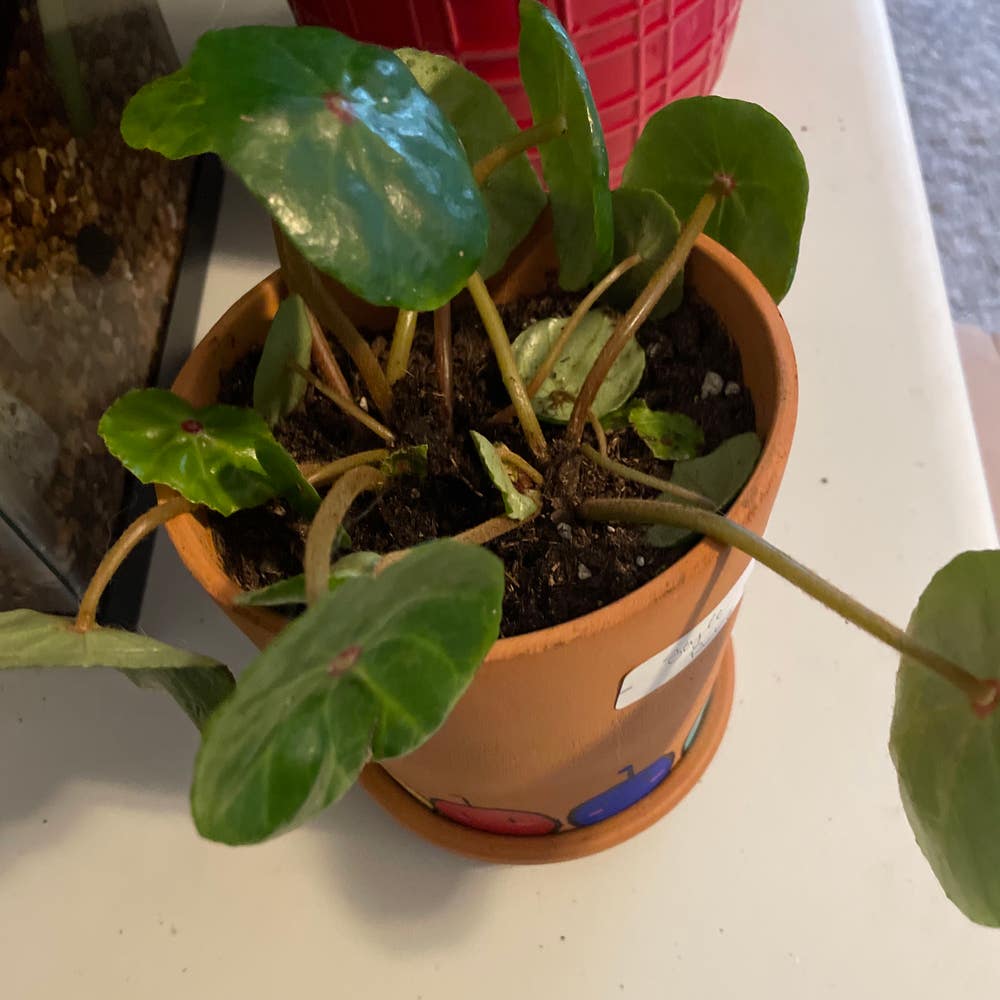
🐚 9 Secrets to Thriving Indoor Shell Begonia
Begonia conchifolia
By the Greg Editorial Team
Oct 02, 2024•4 min read
This article was created with the help of AI so we can cover more plants for you. May contain errors. See one? Report it here.
Unlock the secret to a thriving indoor shell begonia with essential care tips for light, water, and humidity! 🌱
- 🌞 Bright, indirect sunlight for 4-6 hours is essential for thriving shell begonias.
- 💧 Allow soil to dry between waterings to prevent yellowing leaves and wilting.
- 🌿 Humidity levels of 50-70% promote healthy growth; use humidifiers if needed.
Light Requirements
Ideal Light Conditions 🌞
To keep your indoor shell begonia thriving, aim for bright, indirect sunlight for about 4 to 6 hours daily. Direct sunlight can scorch the leaves, so it's best to avoid it.
Using sheer curtains can help diffuse harsh light, creating a more suitable environment for your plant. This simple adjustment can make a significant difference in its overall health.
Role of Grow Lights 💡
If natural light is limited, grow lights become essential. They supplement your plant's light needs, especially in low-light conditions.
Grow lights promote healthy growth and vibrant foliage, ensuring your begonia remains lush. When selecting a grow light, consider the type—LEDs are energy-efficient, while fluorescent lights are also effective. Opt for full-spectrum lights to provide the best range of light for your plant's needs.
With the right light conditions and supplements, your indoor shell begonia can flourish beautifully. Next, let’s explore how to properly water your plant for optimal growth.
Watering Needs
Proper Watering Techniques 🌊
Watering your indoor shell begonia is crucial for its health. Allow the top inch of soil to dry out between waterings to prevent over-saturation.
When you do water, do it thoroughly. Ensure that excess water drains from the bottom of the pot, promoting healthy root growth.
Signs of Watering Issues 🚨
Recognizing watering issues early can save your plant. Overwatering often shows as yellowing leaves, wilting, or even root rot.
On the flip side, underwatering can lead to crispy leaf edges and drooping foliage. Keep an eye on your plant's signals to maintain its vibrancy.
By mastering these watering techniques and understanding the signs of distress, you can ensure your shell begonia thrives. Next, let’s explore the ideal humidity and temperature conditions for optimal growth.
Humidity and Temperature
🌧️ Ideal Conditions
To keep your indoor shell begonia thriving, aim for a humidity level between 50-70%. This range is crucial for optimal growth and helps prevent issues like leaf drop.
💧 Methods to Increase Humidity
If your home is on the drier side, consider using a humidifier. Alternatively, pebble trays filled with water can also boost humidity around your plant, creating a mini-ecosystem.
🌡️ Temperature Range
Your begonia will flourish in temperatures between 18°C to 24°C (65°F to 75°F). Keeping your plant within this range ensures it remains healthy and vibrant.
🔍 Monitoring Conditions
Regularly check humidity levels with a hygrometer. This simple tool helps you maintain the ideal environment for your begonia, ensuring it gets the care it needs.
🍂 Seasonal Adjustments
Be mindful of seasonal changes. During winter, indoor air can become particularly dry, so you may need to increase humidity levels to keep your begonia happy.
With the right humidity and temperature, your indoor shell begonia will not only survive but thrive, setting the stage for the next essential care aspect: soil and fertilization.
Soil and Fertilization
Best Practices 🌱
For your indoor shell begonia, the right soil is crucial. Opt for a well-draining potting mix enriched with organic matter to promote healthy root development.
Fertilization is equally important. Feed your plant every 4-6 weeks during the growing season to ensure it thrives.
Types of Fertilizers 💧
When it comes to fertilizers, you have options. A balanced liquid fertilizer works wonders, or you can choose slow-release granules for convenience.
Both types will provide the essential nutrients your begonia craves. Just remember to follow the recommended application rates for the best results.
Additional Tips 🔍
Keep an eye on your soil's moisture levels. Well-draining soil helps prevent waterlogging, which can lead to root rot.
Regularly check for any signs of nutrient deficiency, such as yellowing leaves. This way, you can adjust your fertilization routine as needed.
With the right soil and fertilization practices, your indoor shell begonia will flourish beautifully.
Next, let’s dive into the common issues and maintenance practices to keep your plant in top shape.
Common Issues and Maintenance
🐛 Pests and Diseases
Indoor shell begonias can face a few common pests, including aphids, spider mites, and mealybugs. Look for signs like sticky residue, webbing, or white cottony masses on the leaves.
Regular inspections are key to preventing infestations. Keeping your plant healthy through proper care can also deter pests.
For organic pest control, consider using neem oil or insecticidal soap. Beneficial insects, like ladybugs, can also help keep pests at bay.
✂️ Appearance Maintenance
To maintain your begonia's beauty, regularly prune dead or yellowing leaves. This not only improves appearance but also encourages new growth.
Use clean, sharp scissors for pruning to avoid damaging the plant.
Additionally, wipe the leaves with a damp cloth to remove dust and enhance their shine.
With these simple maintenance steps, your indoor shell begonia will thrive and look stunning.
As you care for your plant, you'll be better prepared to tackle its watering needs next.
⚠️ Safety First
This content is for general information and may contain errors, omissions, or outdated details. It is not medical, veterinary advice, or an endorsement of therapeutic claims.
Always consult a qualified healthcare professional before using any plant as food, medicine, or supplement.
Never eat any plant (or feed one to pets) without confirming its identity with at least two trusted sources.
If you suspect poisoning, call Poison Control (800) 222-1222, the Pet Poison Helpline (800) 213-6680, or your local emergency service immediately.
Spotted an error? Please report it here.
Unlock the secrets to a thriving shell begonia 🌿 with Greg's tailored care reminders that ensure your plant gets just the right light, water, and nutrients for vibrant growth!