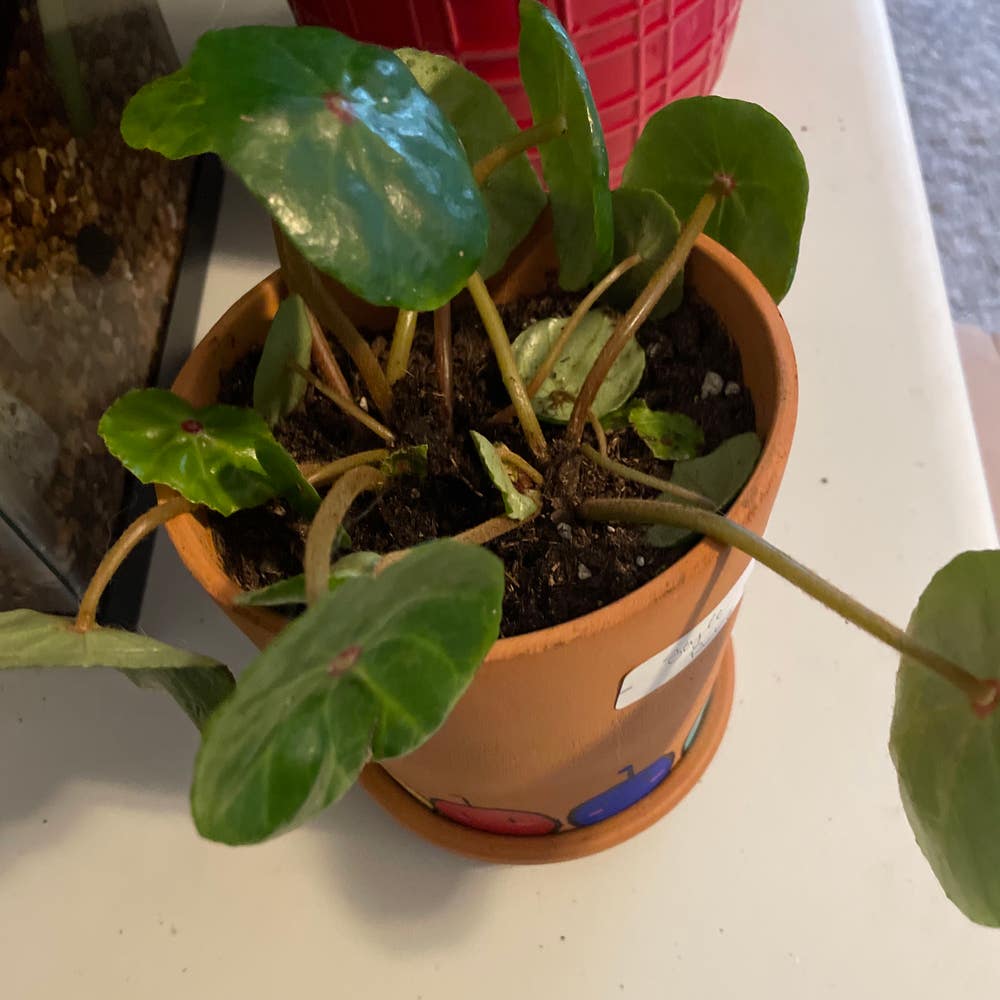
🐚 What It Means When Your Shell Begonia Wilts
Begonia conchifolia
By the Greg Editorial Team
Oct 02, 2024•6 min read
This article was created with the help of AI so we can cover more plants for you. May contain errors. See one? Report it here.
Transform your wilting Shell Begonia 🌱 into a thriving beauty with these essential care tips for lasting health!
- 💧 Wilting in Shell Begonias often results from improper watering—check moisture levels!
- 🌡️ Ideal temperatures for Shell Begonias are 18°C to 24°C (65°F to 75°F).
- 🐛 Regular pest monitoring is essential to prevent wilting and promote healthy growth.
Common Causes of Wilting Leaves
💧 Water Stress
Wilting in Shell Begonias often stems from water stress. Overwatering leads to yellowing leaves and root rot, while underwatering results in dry, crispy leaves and drooping.
Maintaining consistent moisture levels is crucial for the health of your Shell Begonia. A balanced watering routine can prevent these issues and keep your plant thriving.
🔥 Heat Stress
Heat stress is another common culprit behind wilting. Symptoms include leaves curling or browning at the edges, signaling that your plant is struggling.
Shell Begonias thrive in temperatures between 18°C to 24°C (65°F to 75°F). Direct sunlight and high temperatures can exacerbate wilting, so it's essential to monitor their environment closely.
🦠 Disease-Related Wilting
While diseases can affect Shell Begonias, pathogenic wilt is less likely to be the cause of wilting. Common diseases include fungal infections, but they usually present additional symptoms like spots or mold.
Regular monitoring for these signs is vital. Keeping an eye on your plant's overall health can help you catch potential issues before they escalate.
Diagnosing Wilting
🕵️♂️ Step-by-Step Guide
Diagnosing wilting in your Shell Begonia starts with assessing your watering habits. Check the soil moisture levels to determine if you’re over or underwatering.
Next, evaluate the environmental conditions. Temperature and humidity play crucial roles in your plant's health.
Inspect for pests or diseases by looking for visible signs on leaves and stems. This can help you catch issues before they escalate.
Finally, consider any recent changes. Have you relocated the plant or adjusted its environment? These factors can significantly impact its well-being.
🔍 Identifying Symptoms and Environmental Factors
Take a detailed look at the leaf condition. Observe the color, texture, and firmness to identify any abnormalities.
Monitoring humidity levels is also essential. The ideal range for Shell Begonia is between 40% and 60%.
Don’t forget about light conditions. Indirect light is vital, as it affects your plant's water needs and overall health.
By carefully observing these factors, you can better understand what might be causing your Shell Begonia to wilt. This knowledge will empower you to take the right steps toward recovery.
Solutions for Wilting Leaves
🌊 Addressing Water Stress
Overwatering can be a sneaky culprit behind wilting. If you notice yellowing leaves or root rot, it’s time to let the soil dry out and improve drainage.
On the flip side, underwatering leads to dry, crispy leaves and drooping. To remedy this, increase your watering frequency and consider using moisture-retaining soil to keep your Shell Begonia hydrated.
🌡️ Addressing Heat Stress
Heat stress can cause your plant to curl or brown at the edges. If this happens, relocate your Shell Begonia to a cooler area with indirect light to help it recover.
Additionally, using humidity trays or misting can increase moisture in the air, creating a more favorable environment for your plant.
🦠 Addressing Disease-Related Wilting
If you suspect disease is the issue, isolate your plant immediately. Treat it with appropriate fungicides to combat any potential pathogens.
Regular inspections are crucial for maintaining plant health. Keep an eye out for any unusual symptoms, as early detection can prevent further issues down the line.
By addressing these common causes of wilting, you can help your Shell Begonia thrive. Next, let’s explore how to revive a wilted plant effectively.
Reviving a Wilted Shell Begonia
🌊 Techniques for Bottom Watering
Bottom watering is a simple yet effective method to revive your Shell Begonia. Just place the pot in a shallow tray of water for about 30 minutes.
This technique encourages deep root growth and helps prevent overwatering, which is crucial for maintaining healthy plants.
🌳 Relocating to a Suitable Environment
If your Shell Begonia is wilting due to heat stress, consider relocating it temporarily to a shaded area. This will allow the plant to recover without the harsh effects of direct sunlight.
Gradual acclimatization is key; moving the plant too quickly can shock it further.
✂️ Pruning Damaged Leaves
Pruning is essential when dealing with a wilted Shell Begonia. Remove any severely wilted or damaged leaves to promote new growth.
Always use clean, sharp scissors to prevent infection and ensure a smooth cut. This small step can make a big difference in your plant's recovery.
Reviving your Shell Begonia requires attention and care, but with these techniques, you can help it bounce back. Next, let’s explore preventive measures to keep your plant healthy and thriving.
Preventive Measures
Tips to Minimize Future Wilting 🌱
To keep your Shell Begonia thriving, regularly check the soil moisture. Adjust your watering schedule based on the plant's needs to prevent both overwatering and underwatering.
Maintaining consistent temperature and humidity levels is crucial. Aim for a comfortable environment, ideally between 18°C to 24°C (65°F to 75°F), to support healthy growth.
Environmental Adjustments 🌿
Consider using humidity trays or pebble trays to maintain moisture around your plant. These simple additions can significantly enhance the humidity levels, creating a more favorable atmosphere for your Shell Begonia.
Positioning your plant near other greenery can also help. This creates a microclimate that retains moisture and provides a supportive environment for your Begonia to flourish.
By implementing these preventive measures, you can minimize the risk of wilting and ensure your Shell Begonia remains vibrant and healthy. Next, let’s explore when it might be time to seek professional help for your plant care concerns.
When to Seek Help
🆘 Signs That Professional Help is Needed
If your Shell Begonia continues to wilt despite your best care efforts, it may be time to seek professional assistance. Look out for persistent wilting, especially if you've adjusted watering and environmental conditions without improvement.
Additionally, keep an eye out for unusual spots, mold, or pests on the leaves. These signs can indicate underlying issues that require expert intervention.
🛠️ Resources for Assistance
Local nurseries can be a goldmine for expert advice on plant care. They often have knowledgeable staff who can provide tailored recommendations for your specific situation.
If you're facing unique challenges, consider consulting plant experts who specialize in Shell Begonias. They can offer insights that go beyond general care tips.
Online communities are also a fantastic resource. Engaging with fellow plant enthusiasts can provide support, tips, and shared experiences that might just hold the key to reviving your beloved plant.
By knowing when to seek help and where to find it, you can ensure your Shell Begonia gets the care it needs to thrive. Now, let’s explore some preventive measures to keep your plant healthy and happy!
⚠️ Safety First
This content is for general information and may contain errors, omissions, or outdated details. It is not medical, veterinary advice, or an endorsement of therapeutic claims.
Always consult a qualified healthcare professional before using any plant as food, medicine, or supplement.
Never eat any plant (or feed one to pets) without confirming its identity with at least two trusted sources.
If you suspect poisoning, call Poison Control (800) 222-1222, the Pet Poison Helpline (800) 213-6680, or your local emergency service immediately.
Spotted an error? Please report it here.
Revive your wilting Shell Begonia with Greg's tailored care tips 🌱, ensuring consistent moisture and the perfect environment for thriving growth!