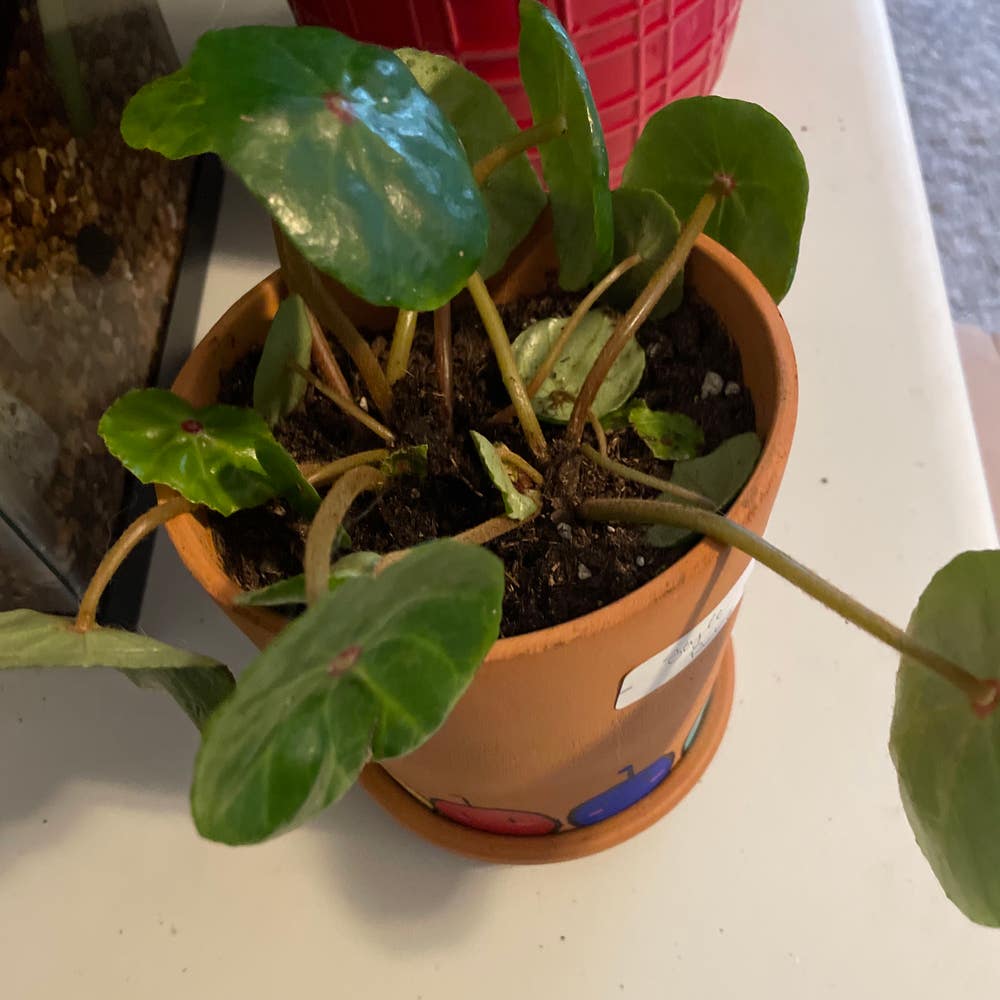
🐚 4 Perfect Times to Plant Shell Begonia
Begonia conchifolia
By the Greg Editorial Team
Oct 02, 2024•9 min read
This article was created with the help of AI so we can cover more plants for you. May contain errors. See one? Report it here.
Unlock vibrant blooms for your Shell Begonias 🌱 by mastering the perfect planting timing this season!
- 🌱 Plant Shell Begonias after the last frost for optimal growth and health.
- 🌡️ Ideal soil temperature for planting is 65°F to 75°F (18°C to 24°C).
- 📅 Timing varies by region; check local conditions for best planting months.
Frost Dates
Importance for Shell Begonia 🌱
Shell Begonias are particularly sensitive to frost. To ensure their health and vitality, it's crucial to plant them only after the last frost date to avoid any cold damage.
How to Determine Frost Dates 🗓️
To find your last frost date, utilize resources like the USDA Plant Hardiness Zone Map or consult local agricultural extensions. For instance, in Florida, the last frost date typically falls around mid-March, while in Colorado, it can be as late as late May.
Understanding these dates is essential for successful planting. By timing your planting correctly, you can help your Shell Begonias thrive in their new environment.
With frost dates in mind, let’s explore the next critical factor: soil temperature.
Soil Temperature
Ideal Soil Temperature 🌡️
For Shell Begonias, the ideal soil temperature ranges from 65°F to 75°F (18°C to 24°C). This temperature range is crucial as it ensures proper germination and robust root development.
How to Measure Soil Temperature 📏
To measure soil temperature effectively, you can use a soil thermometer. Alternatively, a simple "hand test" can work: dig a small hole and feel the soil with your hand.
Timing is key; check the soil temperature about a week before you plan to plant. This way, you can ensure the conditions are just right for your Shell Begonias to thrive.
Understanding soil temperature is essential for successful planting. With the right temperature, your begonias will be set up for a vibrant growing season.
Next, let’s explore how day length impacts the growth of these beautiful plants.
Day Length
Impact on Growth 🌱
Shell Begonias thrive in longer daylight hours, ideally between 12 to 14 hours of light. This extended exposure is crucial for their optimal growth, allowing them to flourish and produce vibrant blooms.
Seasonal Considerations 🌸
Spring is the perfect time to plant Shell Begonias, as it coincides with increasing day lengths. This natural progression promotes vigorous growth, giving your plants the best chance to thrive throughout the season.
Understanding the importance of day length can significantly enhance your gardening success. As you prepare for planting, keep in mind how these factors work together to create the ideal environment for your Shell Begonias.
Next, let’s explore regional planting considerations to ensure your begonias get the best start possible.
Regional Planting Considerations
Ideal Planting Months 🌱
When it comes to planting Shell Begonias, timing is everything. Here’s a quick guide to the best months for different regions:
Florida
Late March to early April is prime time. The warm temperatures and minimal frost risk create perfect conditions for these vibrant plants.
California
March to April works wonders here too. The mild climate and longer day lengths support healthy growth.
Texas
Similar to California, March to April is ideal. Warm soil temperatures and low frost risk make it a great choice for Shell Begonias.
New York
For New Yorkers, late May to early June is the sweet spot. This timing accounts for late frost dates and warming soil temperatures.
Colorado
In Colorado, aim for late May to early June as well. Be cautious of late frosts, but the soil will be warming up nicely.
Ohio
Ohioans should also plan for late May to early June. This timeframe ensures frost-free dates and adequate soil temperature for planting.
Understanding these regional nuances will help you plant your Shell Begonias at just the right moment. With the right timing, you’ll set the stage for a flourishing garden.
Next, let’s explore seed starting techniques to maximize your planting success!
Seed Starting Techniques
🌱 Indoor Seed Starting vs. Direct Sowing
Starting your Shell Begonia seeds indoors can be a game-changer. This method extends your growing season and gives you better control over the conditions.
To get started indoors, aim to plant your seeds 8-10 weeks before the last frost date. This timing allows your seedlings to thrive before they face the outdoor elements.
On the other hand, direct sowing is all about simplicity. It minimizes transplant shock and is perfect for those who prefer a straightforward approach.
For direct sowing, wait until after the last frost date when soil temperatures are optimal. This ensures your seeds have the best chance to germinate and grow.
⏰ Timing Considerations
Creating the right environment indoors is crucial. Aim for temperatures between 70°F to 75°F (21°C to 24°C) and provide bright light to encourage healthy growth.
Germination for Shell Begonia seeds typically takes about 7-14 days. During this period, check the soil temperature to ensure it stays consistently above 65°F (18°C).
When planting, make sure to bury the seeds about 1/4 inch deep in well-draining soil. This depth helps protect them while allowing for easy sprouting.
With these techniques, you’re well on your way to cultivating beautiful Shell Begonias. Next, let’s explore the ideal planting months based on regional considerations.
Comprehensive Planting Calendar
When it comes to planting Shell Begonias, timing is everything. Below is a comprehensive guide for each state, highlighting the ideal months for planting based on regional conditions.
🌱 Ideal Planting Months by State
| State | Ideal Planting Months |
|---|---|
| Alabama | Late March to early April |
| Alaska | Late June to early July |
| Arizona | March to April |
| Arkansas | Late March to early April |
| California | March to April |
| Colorado | Late May to early June |
| Connecticut | Late May to early June |
| Delaware | Late May to early June |
| Florida | Late March to early April |
| Georgia | Late March to early April |
| Hawaii | Year-round |
| Idaho | Late May to early June |
| Illinois | Late May to early June |
| Indiana | Late May to early June |
| Iowa | Late May to early June |
| Kansas | Late April to early May |
| Kentucky | Late April to early May |
| Louisiana | Late March to early April |
| Maine | Late May to early June |
| Maryland | Late May to early June |
| Massachusetts | Late May to early June |
| Michigan | Late May to early June |
| Minnesota | Late May to early June |
| Mississippi | Late March to early April |
| Missouri | Late April to early May |
| Montana | Late May to early June |
| Nebraska | Late May to early June |
| Nevada | March to April |
| New Hampshire | Late May to early June |
| New Jersey | Late May to early June |
| New Mexico | March to April |
| New York | Late May to early June |
| North Carolina | Late March to early April |
| North Dakota | Late May to early June |
| Ohio | Late May to early June |
| Oklahoma | Late March to early April |
| Oregon | Late April to early May |
| Pennsylvania | Late May to early June |
| Rhode Island | Late May to early June |
| South Carolina | Late March to early April |
| South Dakota | Late May to early June |
| Tennessee | Late March to early April |
| Texas | March to April |
| Utah | Late April to early May |
| Vermont | Late May to early June |
| Virginia | Late April to early May |
| Washington | Late April to early May |
| West Virginia | Late April to early May |
| Wisconsin | Late May to early June |
| Wyoming | Late May to early June |
📅 Summary
This planting calendar serves as a handy reference for ensuring your Shell Begonias thrive. By aligning your planting with the ideal months for your region, you set the stage for vibrant growth and beautiful blooms.
Next, let’s dive into seed starting techniques to maximize your Shell Begonia success!
⚠️ Safety First
This content is for general information and may contain errors, omissions, or outdated details. It is not medical, veterinary advice, or an endorsement of therapeutic claims.
Always consult a qualified healthcare professional before using any plant as food, medicine, or supplement.
Never eat any plant (or feed one to pets) without confirming its identity with at least two trusted sources.
If you suspect poisoning, call Poison Control (800) 222-1222, the Pet Poison Helpline (800) 213-6680, or your local emergency service immediately.
Spotted an error? Please report it here.
Maximize your Shell Begonia blooms by planting at the perfect time, and let Greg guide you with custom reminders and local insights to ensure your garden flourishes! 🌼