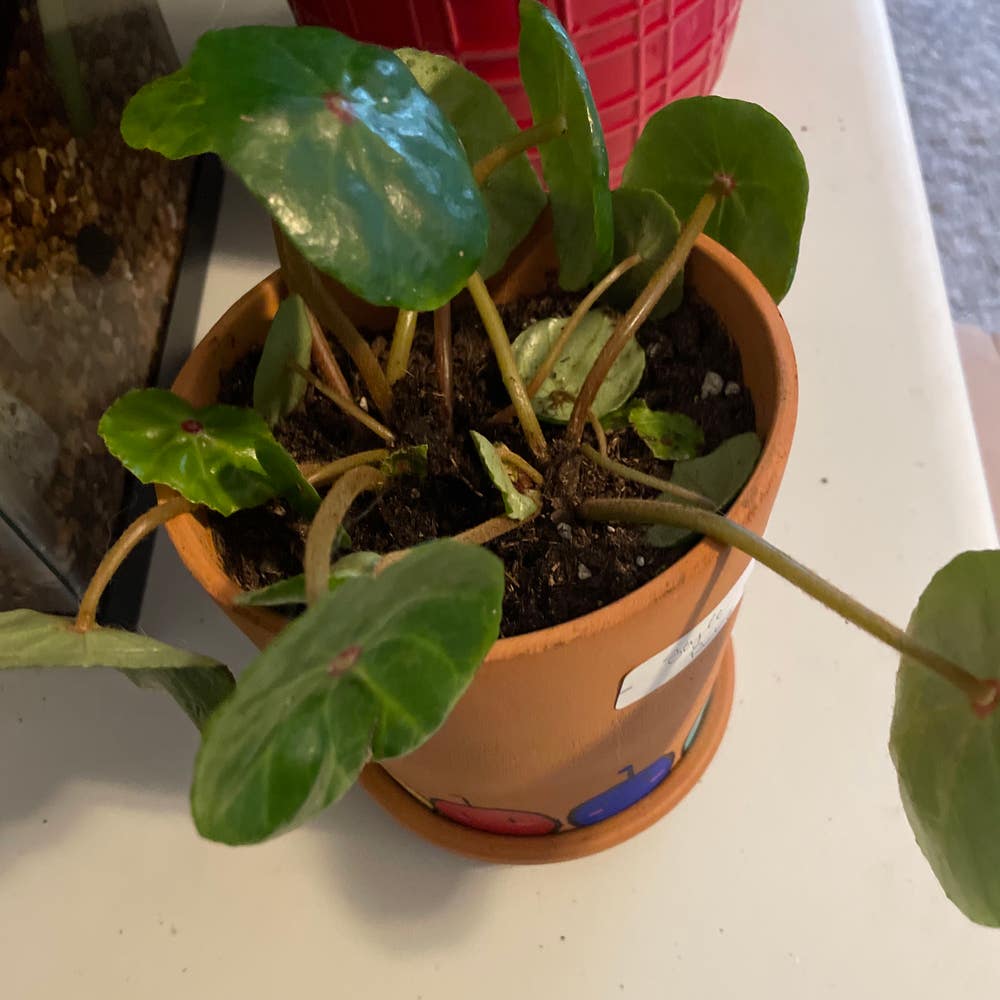
🌱 Companion Planting 101: What to Plant with Shell Begonia
Begonia conchifolia
By the Greg Editorial Team
Oct 02, 2024•4 min read
This article was created with the help of AI so we can cover more plants for you. May contain errors. See one? Report it here.
Elevate your garden's beauty and health 🌱 by pairing Shell Begonia with ideal companion plants for a thriving oasis!
- 🌱 Shell Begonia thrives with shade-loving companions like ferns and hostas for optimal growth.
- 🌼 Impatiens and Coleus enhance beauty while attracting pollinators and beneficial insects.
- 🐞 Companion plants deter pests naturally, promoting a healthier garden ecosystem.
Best Companion Plants for Shell Begonia
🌿 Description of Suitable Companion Plants
Ferns
Ferns are shade-loving plants that thrive in moist environments. They not only provide a lush backdrop for Shell Begonia but also help retain soil moisture and create a microclimate that benefits all nearby plants.
Impatiens
These colorful flowering companions flourish in similar light conditions as Shell Begonia. Impatiens attract pollinators and enhance the garden's visual appeal with their vibrant blooms.
Hostas
Hostas are known for their diverse foliage, featuring various shapes and colors. They complement the texture of Shell Begonia leaves and thrive in the same moisture levels, making them ideal companions.
Coleus
Coleus plants boast colorful foliage that can tolerate partial shade. They add vibrant color contrast to the garden and attract beneficial insects, enhancing the overall ecosystem.
🌱 Explanation of Why These Plants Thrive with Shell Begonia
These companion plants share similar care needs, preferring partial to full shade and moist, well-draining soil. Together, they create a healthier growing environment, contributing to moisture retention and pest deterrence, which benefits Shell Begonia and its companions alike.
With the right companions, your Shell Begonia can flourish, creating a stunning and harmonious garden space.
Pest Management
🌱 Role of Companion Plants in Pest Management
Companion plants play a crucial role in natural pest management. By strategically planting them alongside Shell Begonia, you can deter pests without relying on harsh chemicals.
These plants attract beneficial insects, such as ladybugs and lacewings, which prey on common garden pests. This creates a balanced ecosystem that promotes healthier growth for your Shell Begonia.
🦋 Specific Pest-Repellent Properties of Companion Plants
Ferns are excellent companions as they attract predatory insects that help control aphid populations. Their lush foliage not only enhances the garden's aesthetic but also supports a thriving insect community.
Impatiens, with their vibrant blooms, release scents that can deter pests like whiteflies. This natural repellent quality makes them a valuable addition to your garden.
Hostas also contribute to pest management by confusing pests with their varied foliage. This diversity can reduce infestations, allowing your Shell Begonia to flourish without the threat of overwhelming pests.
By understanding the pest-repellent properties of these companion plants, you can create a harmonious garden environment. This not only protects your Shell Begonia but also enhances the overall health of your garden.
As we explore the visual appeal of companion plants, consider how their colors and textures can further enrich your gardening experience.
Visual Appeal
How Companion Plants Enhance the Aesthetic of Shell Begonia 🌼
Companion plants play a crucial role in creating a visually stunning garden. Their colors and textures can elevate the beauty of Shell Begonia, making your space more inviting.
Layering plants adds depth and interest to your garden design. By arranging companions at different heights and densities, you create a dynamic landscape that draws the eye.
Color and Texture Combinations 🎨
Combining the vibrant foliage of Coleus with the subtle tones of Shell Begonia creates a striking visual contrast. The rich hues of Coleus can make the Begonia's unique leaves pop, enhancing the overall aesthetic.
Hostas also serve as an excellent backdrop for Shell Begonia. Their varied foliage shapes and colors can highlight the Begonia's beauty, adding an extra layer of intrigue to your garden.
Incorporating these companion plants not only beautifies your space but also fosters a thriving ecosystem. As you plan your garden, consider how these combinations can enhance both the look and health of your plants.
Transitioning to the next topic, let’s explore how these companion plants can help manage pests naturally.
Plants to Avoid
List of Plants That Should Not Be Planted Near Shell Begonia 🌵
When planning your garden, it's crucial to know which plants to steer clear of. Cacti and succulents are a no-go; they thrive in dry conditions and can compete for moisture that Shell Begonia desperately needs.
Another group to avoid includes strong-scented herbs, like mint. While they may be delightful in the kitchen, their aroma can attract pests that pose a threat to your Begonia.
Reasons for Avoidance 🚫
Understanding why certain plants are incompatible with Shell Begonia can save you a lot of trouble. Competition for resources is a primary concern. Plants with overlapping water and nutrient needs can stress your Begonia, leading to poor growth or even plant failure.
Additionally, some plants may draw in pests that could negatively impact your Shell Begonia's health. Keeping your garden harmonious means being selective about your companions, ensuring a thriving environment for your beloved Begonia.
By avoiding these incompatible plants, you set the stage for a flourishing garden that showcases the beauty of Shell Begonia. Next, let’s explore how companion plants can enhance pest management in your garden.
⚠️ Safety First
This content is for general information and may contain errors, omissions, or outdated details. It is not medical, veterinary advice, or an endorsement of therapeutic claims.
Always consult a qualified healthcare professional before using any plant as food, medicine, or supplement.
Never eat any plant (or feed one to pets) without confirming its identity with at least two trusted sources.
If you suspect poisoning, call Poison Control (800) 222-1222, the Pet Poison Helpline (800) 213-6680, or your local emergency service immediately.
Spotted an error? Please report it here.
Enhance your Shell Begonia's health and beauty by pairing it with ferns and impatiens, and let Greg guide you with tailored care tips for a thriving garden! 🌱