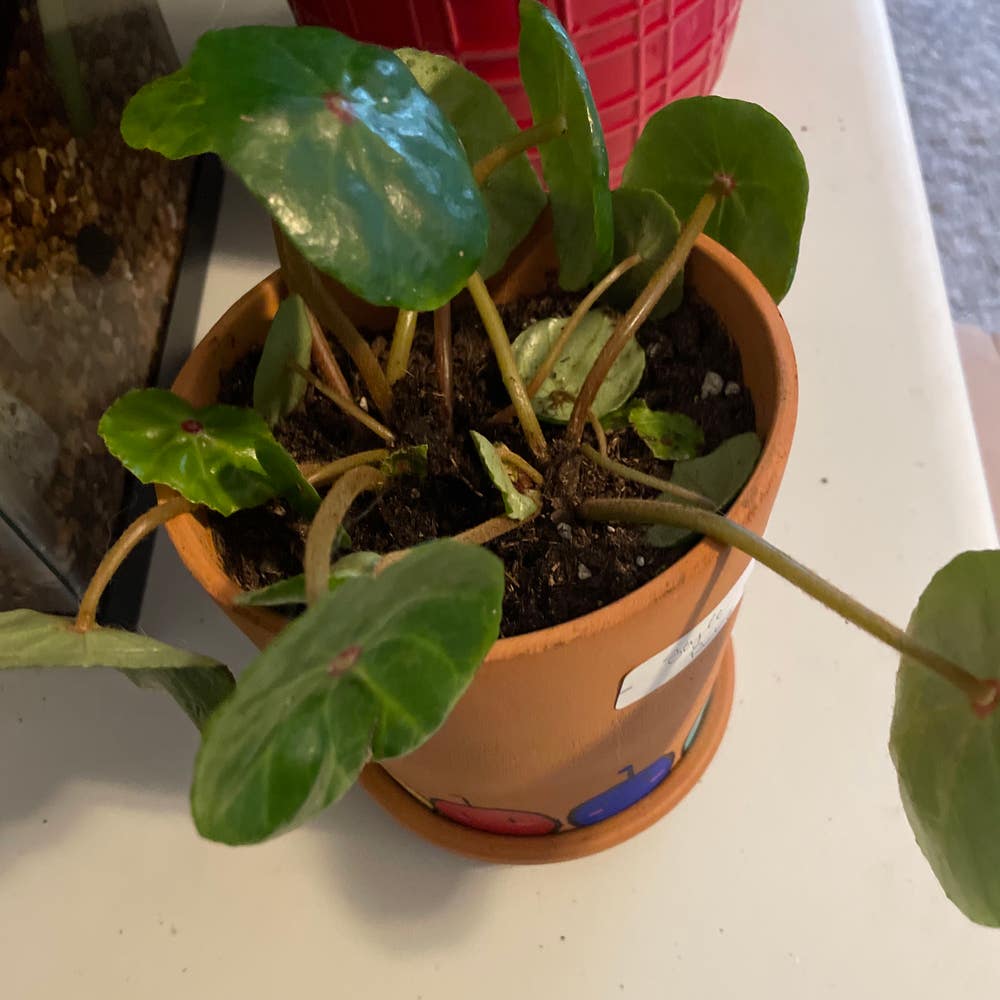
How Often Should I Water My Begonia conchifolia?
Begonia conchifolia
By the Greg Editorial Team
Feb 09, 2024•4 min read
This article was created with the help of AI so we can cover more plants for you. May contain errors. See one? Report it here.
Unlock your Begonia's lush potential with the ultimate watering guide. 🌿💦
- 🌱 Wilting or yellow leaves? Check for under or overwatering.
- 📏 Pot size and mix matter for watering frequency.
- 🌡️💧 Adjust water to your home's humidity and temperature.
Spotting the Thirsty Signs
🌵 Wilting Woes: Recognizing Underwatering
Wilting leaves on your Begonia conchifolia are a red flag; they're not just being dramatic, they're parched. If the soil feels like a desert, it's a clear sign to water. Stunted growth is another symptom—your plant's progress shouldn't be as slow as a traffic jam during rush hour.
💦 Drowning Dangers: Overwatering Symptoms
Yellow leaves are the plant's way of saying, "Ease up on the hydration!" If your Begonia's stems feel mushier than overcooked noodles, you're overdoing it. Root rot is the silent killer here; it's like a plant's cry for help in a soundproof room. Watch for a base that's softer than your favorite plush toy—this is a serious SOS.
Nailing the Watering Frequency
💧 Seasonal Shifts: Adjusting for Growth and Dormancy
Seasons change, and so does the thirst level of your Begonia conchifolia. During the growth phase in spring and summer, it's all about consistent moisture. Think of it as the plant's daily dose of water to fuel its floral ambitions. But when fall and winter roll around, it's time to ease up. The plant's dormant, not dead—let the soil dry out a bit more between waterings.
💦 Potting Mix and Pot Size: How They Dictate Your Schedule
The potting mix and pot size are like the stage and audience capacity for your plant's solo performance. A well-draining mix in a pot that's just the right size means encore performances all season. Too big, and you're drowning the roots in excess soil; too small, and they're gasping for space. Aim for that sweet spot where the roots have room to breathe but aren't lost in a soil ocean.
Mastering Moisture Levels
💧 The Finger Test and Other Moisture Tricks
Dive into your Begonia conchifolia's world with the finger test. If the top inch of soil feels like a desert, it's time to water. But if it's got the dampness of a morning dew, hold off. For those who prefer gadgets, a moisture meter can be your plant's hydration sidekick, giving you the lowdown on when to water.
🌱 Balancing Act: Managing Soil Moisture
It's a balancing act—you want your Begonia's soil moist, not mimicking a swamp. If you've been a bit heavy-handed, let the soil's top inch dry out before the next watering. Adjust your routine with the seasons; your plant's thirst changes with the weather. And remember, tap water should sit a bit to de-chlorinate before you quench your plant's thirst.
Tailoring Watering to Your Home Environment
💦 Humidity and Heat: Adapting to Your Indoor Climate
In the quest to quench your Begonia conchifolia's thirst, humidity is a game-changer. Think of it as the invisible hand that guides how often you'll be watering. High humidity? Your plant's soil stays moist longer, so you can ease up on the watering frequency. But if your indoor air resembles a dry desert, you'll need to water more often to compensate.
Temperature is the sidekick to humidity, influencing how quickly water evaporates. A warm room accelerates evaporation, nudging you to water more frequently. Conversely, cooler temps mean a more leisurely pace for both you and your plant.
🌬️ Airflow and Light: Their Role in Watering
Airflow is the unsung hero of plant care. Good circulation helps prevent moisture-related issues like fungal infections. A gentle fan or a well-ventilated room can make all the difference. Just don't let your Begonia conchifolia sit in a draft; it's not a fan of the cold shoulder.
When it comes to light, more isn't always better. Intense light increases photosynthesis and, by extension, thirst. If your plant is basking in the sun's glory, it'll need more frequent drinks. Less light, however, means your watering can gets a break. Remember, pot size matters too. A smaller pot dries out faster, while a larger one holds moisture longer. Choose wisely.
Keep these factors in check, and you'll master the art of hydration without turning your home into a plant ICU.
⚠️ Safety First
This content is for general information and may contain errors, omissions, or outdated details. It is not medical, veterinary advice, or an endorsement of therapeutic claims.
Always consult a qualified healthcare professional before using any plant as food, medicine, or supplement.
Never eat any plant (or feed one to pets) without confirming its identity with at least two trusted sources.
If you suspect poisoning, call Poison Control (800) 222-1222, the Pet Poison Helpline (800) 213-6680, or your local emergency service immediately.
Spotted an error? Please report it here.
Ensure your Begonia conchifolia thrives with just the right amount of water by using Greg to set a personalized watering reminder 🌱, tailored to your plant's specific needs and home environment.