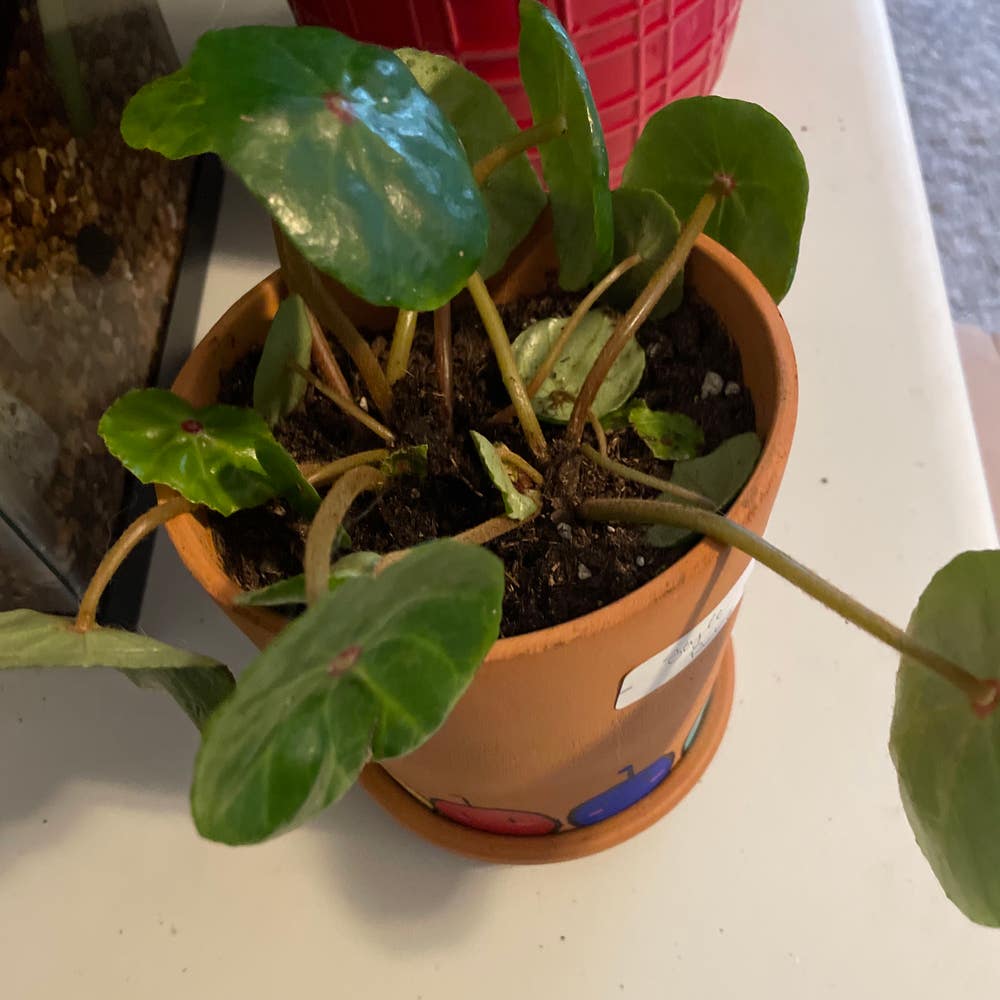
Why Are There Brown Spots on My Begonia conchifolia Leaves?
Begonia conchifolia
By the Greg Editorial Team
Feb 09, 2024•5 min read
This article was created with the help of AI so we can cover more plants for you. May contain errors. See one? Report it here.
Safeguard your Begonia's splendor 🌿 by tackling those troubling brown spots with our expert guide!
- Brown spots signal issues, not just cosmetic; clues in size, location, and appearance.
- Fungal and bacterial infections thrive in damp, poorly circulated environments.
- Prevent with environmental tweaks, balanced watering, and regular leaf maintenance.
Spotting the Trouble: Identifying Brown Spots on Your Begonia
🔍 Visual Clues and What They Mean
Begonia conchifolia owners, take note: brown spots are not just a cosmetic issue. They're a cry for help. Location matters—spots on mature leaves may suggest a different issue than on young foliage. Size and quantity are telling, too; a few large spots differ from many small ones. The appearance of the spots can be a giveaway: dry, brittle spots often point to environmental stress, while water-soaked spots with halos scream infection.
🏡 Home Investigation: Assessing Plant Surroundings
Before you panic, play detective with your plant's environment. Humidity levels too high? That's a fungal party invitation. Too much direct sunlight? Hello, sunburn. Check for drafts or sudden temperature changes that stress your Begonia out. And don't forget the watering routine—overzealous hydration can lead to root rot and those telltale brown badges of distress.
Fungal Foes and Bacterial Bullies: Common Culprits
🍄 Fungal Infections Uncovered
Spotting the Spores
Powdery mildew is the party crasher of the fungal world, dusting leaves with what looks like a misguided flour bomb. It thrives in the spring and fall, loving those warm days and cool nights. Botrytis, on the other hand, rolls out the gray carpet of fuzz, especially in high humidity.
🌬️ Environmental Enablers
These fungal invaders are opportunists, exploiting poor air circulation and damp conditions. They're not picky about wet leaves either, unlike their bacterial counterparts. Keep an eye out for infected debris and overcrowded plants, as they're the fungal equivalent of a five-star resort.
🦠 Bacterial Infections Exposed
Recognizing the Symptoms
Bacterial infections are like the silent assassins of the plant world. They strike with water-soaked lesions that can make a leaf look like it's survived a monsoon. Bacterial leaf spot and blight are the usual suspects, leaving behind a trail of destruction that's hard to miss.
🚗 Factors That Roll Out the Red Carpet
Stressed plants are an open invitation to these microscopic marauders. Unclean tools are their getaway cars, spreading bacteria with the stealth of a spy. And let's not forget wounded leaves—they're like flashing neon signs saying, "Bacteria, party over here!"
Remember, these culprits love moist, poorly ventilated spaces. So, if your Begonia conchifolia is sitting in stagnant air or soggy soil, it's time to rethink your plant's living situation.
The Rescue Plan: Treating Brown Spots
🛡️ First Aid for Fungal and Bacterial Battles
At the first sign of brown spots, spring into action. Isolate your Begonia conchifolia to prevent the spread of any potential infection. Remove the affected leaves with sterilized scissors—think cleanliness to avoid giving the pathogens a free ride.
For fungal foes, consider a neem oil application; it's a natural fungicide that's tough on spores. If you're dealing with a more stubborn infection, a chemical fungicide might be necessary. Remember, safety first: gear up and follow the instructions on the label to the letter.
In the case of bacterial bullies, targeted bactericides containing copper compounds can be effective. Use them with precision to avoid resistance and further issues. And, as always, sterilize your tools to maintain a sterile environment.
🌞 Environmental Tweaks to Shield Your Begonia
Adjust the humidity and temperature to create a less inviting environment for pathogens. Begonias prefer a humidity level around 50-70%, so use a humidifier or pebble tray if needed. Keep the temperature consistent to avoid stressing the plant, which can make it more susceptible to disease.
Ensure proper air circulation around your Begonia conchifolia by not overcrowding plants and by using fans if necessary. Water at the base to keep the leaves dry and do so in the morning, allowing the sun to assist in drying the foliage.
Lastly, be mindful of light exposure. Too much direct sunlight can scorch the leaves, while too little can weaken the plant. Find that sweet spot where your Begonia conchifolia thrives without the stress.
Prevention is Key: Keeping Brown Spots at Bay
💧 Watering Wisdom: Balancing Moisture for Health
Consistency is your Begonia conchifolia's BFF when it comes to watering. Imagine you're a barista perfecting the pour-over; precision is everything. Before watering, do the touch test: the soil should feel like a day-old sponge—damp, but not soggy.
Overwatering is the equivalent of throwing a pool party for pathogens, while underwatering turns your plant's roots into a desiccated mess. Adjust your watering frequency with the seasons, because your plant's thirst changes with the weather.
🍃 Clean Leaves, Happy Plant
Regular leaf maintenance is like a spa day for your Begonia conchifolia. Gently wipe the leaves with a damp cloth to keep them dust-free and inspect for uninvited guests—pests. This isn't just about aesthetics; it's about plant health.
Wet leaves are a fungal fiesta waiting to happen, so water at the base to avoid giving the leaves an unwanted shower. And remember, like a good neighbor, leaves need space. Ensure your plant isn't crammed in like sardines, as good air circulation is critical for preventing those pesky brown spots.
⚠️ Safety First
This content is for general information and may contain errors, omissions, or outdated details. It is not medical, veterinary advice, or an endorsement of therapeutic claims.
Always consult a qualified healthcare professional before using any plant as food, medicine, or supplement.
Never eat any plant (or feed one to pets) without confirming its identity with at least two trusted sources.
If you suspect poisoning, call Poison Control (800) 222-1222, the Pet Poison Helpline (800) 213-6680, or your local emergency service immediately.
Spotted an error? Please report it here.
Banish brown spots and cultivate healthy Begonia leaves 🍃 with Greg's tailored environmental monitoring and care reminders for your plant's unique needs.