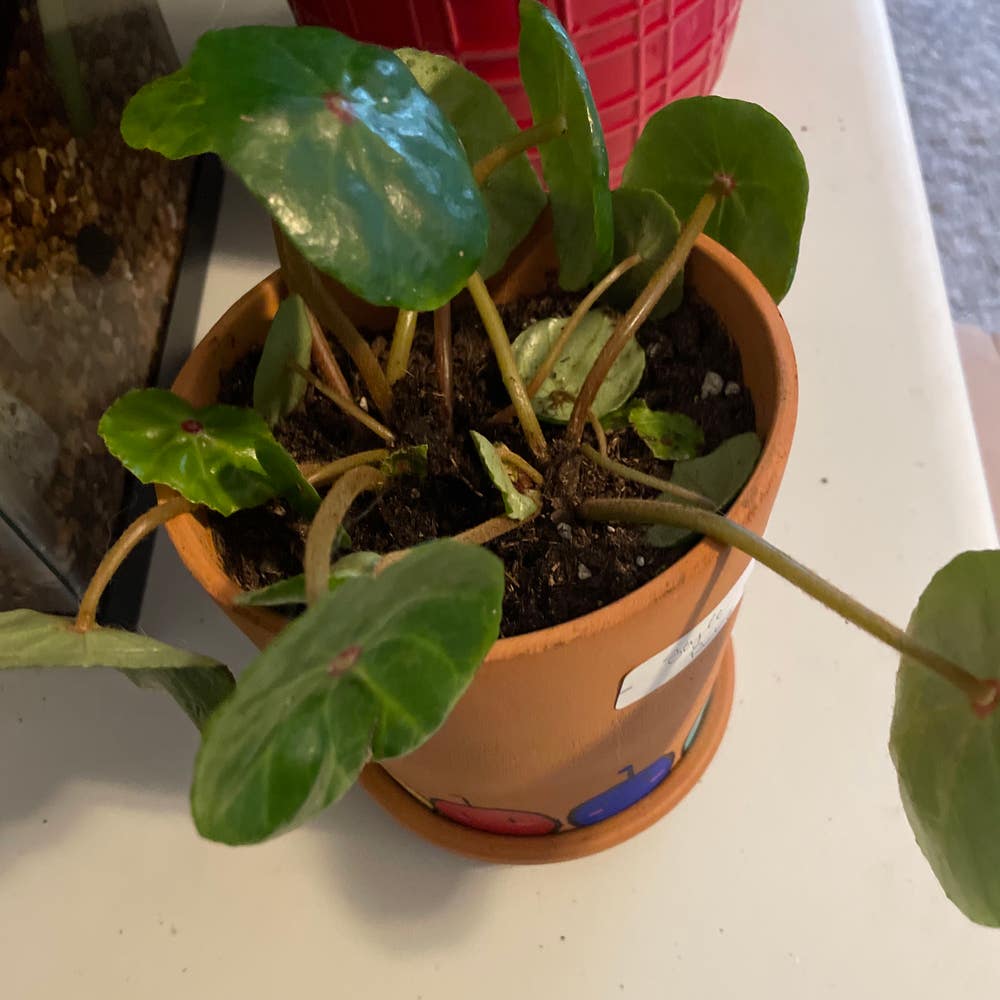
🐚 8 Key Phases of Shell Begonia Development
Begonia conchifolia
By the Greg Editorial Team
Oct 02, 2024•5 min read
This article was created with the help of AI so we can cover more plants for you. May contain errors. See one? Report it here.
Cultivate vibrant Shell Begonias 🌼 from seed to bloom in just 1-2 years with these essential tips!
- 🌱 Shell Begonia seeds germinate in 7-14 days with proper temperature and moisture.
- 🌞 Ideal germination temperature is 20°C to 25°C (68°F to 77°F) for healthy growth.
- 🌸 Flowering occurs 6-12 months post-germination, leading to vibrant blooms and seed production.
Germination Stage
🌱 Duration of Germination
Germination is a crucial first step in the life of a Shell Begonia. Typically, you can expect seeds to sprout within 7 to 14 days, depending on various factors.
Temperature, moisture, and light conditions play significant roles in how quickly your seeds will germinate. Keeping these elements in check can make all the difference.
🌡️ Conditions for Successful Germination
To set your Shell Begonia up for success, aim for an ideal temperature range of 20°C to 25°C (68°F to 77°F). This warmth encourages healthy growth.
The soil you choose is equally important. A well-draining, sterile seed starting mix will provide the right environment for your seeds to thrive.
Light exposure is another key factor. Providing indirect light helps prevent overheating, ensuring your seeds have the best chance to sprout.
With the right conditions, your Shell Begonia will be on its way to a vibrant life. Next, we’ll explore the exciting Seedling Stage, where your plant begins to take shape.
Seedling Stage
🌱 Characteristics of Seedlings
During the seedling stage, shell begonias showcase their initial leaf structure, starting with cotyledons. These are the first leaves that emerge, followed by the development of true leaves, which signal healthy growth.
By the end of this stage, seedlings typically reach a height of about 2-4 inches. This growth is crucial as it sets the foundation for the plant's future development.
⏳ Duration of the Seedling Stage
The seedling stage usually lasts around 4-6 weeks. This period is vital for establishing strong plants.
You can identify the transition to the next phase by observing the development of 2-3 sets of true leaves. This indicates that your shell begonia is ready to move forward in its growth journey.
As your seedlings thrive, they pave the way for the vegetative growth stage, where they'll continue to flourish and expand.
Vegetative Growth Stage
🌱 Growth Patterns and Changes
During the vegetative growth stage, your shell begonia will undergo significant transformations. You'll notice the leaves expanding and maturing, showcasing their vibrant colors and textures.
Height is another exciting aspect of this phase. Your plant can grow up to 12-18 inches, making it a striking addition to any space.
Branching is also key during this period. The formation of lateral shoots creates a bushier appearance, enhancing the overall aesthetic of your begonia.
⏳ Duration of Vegetative Growth
This growth stage typically lasts between 3 to 6 months.
Several factors can influence the growth rate, including light availability, watering frequency, and nutrient levels.
Ensuring optimal conditions will help your shell begonia thrive and reach its full potential.
As your plant flourishes, you'll be eager to see how it transitions into the flowering phase, where even more beauty awaits.
Flowering Phase
Timing of Flowering 🌸
Flowering in shell begonias typically occurs 6-12 months after germination. Keep in mind that seasonal influences can affect this timeline, with environmental conditions playing a crucial role.
Characteristics of Flowers 🌼
Shell begonias showcase a variety of flower types, including single and double blooms. These flowers often display vibrant shades of pink, white, or red, adding a splash of color to your garden.
The size of these blooms can range from 1-3 inches in diameter, making them a delightful sight. While shell begonias are primarily self-pollinating, they can also attract pollinators, enhancing their beauty and ecological value.
As you nurture your begonias, watch for these stunning flowers to emerge, marking a significant milestone in their development. This phase not only adds visual appeal but also signals the plant's maturity and readiness for seed production.
With the flowering phase underway, the next step in the life cycle involves the fascinating process of seed production.
Seed Production
🌼 Process of Seed Production
Pollination is the first step in seed production for shell begonias. This can happen naturally through wind or insects, but you can also assist by hand-pollinating for better results.
Once pollination occurs, seed formation begins. This process typically takes about 4-6 weeks, leading to the development of seeds that are ready for harvesting.
⏳ Duration and Conditions for Seed Production
From the moment flowers bloom, it usually takes 2-3 months for seeds to mature fully.
For optimal seed production, maintain warm temperatures and consistent moisture. These conditions help ensure a successful yield.
🔄 Notable Changes Throughout the Life Cycle
The journey from seed or cutting to full maturity takes about 1-2 years.
During this time, the average growth rate is moderate, typically around 6-12 inches per year under ideal conditions.
As the plant matures, you'll notice changes in leaf shape and size, transitioning from juvenile to mature forms.
Flowering introduces blooms, which are crucial for subsequent seed production.
Additionally, the overall structure of the plant evolves from a single stem to a bushier form with multiple branches, enhancing its visual appeal.
With this understanding of seed production, you're well-equipped to nurture your shell begonias through their life cycle. Next, let’s explore the flowering phase, where beauty truly unfolds.
⚠️ Safety First
This content is for general information and may contain errors, omissions, or outdated details. It is not medical, veterinary advice, or an endorsement of therapeutic claims.
Always consult a qualified healthcare professional before using any plant as food, medicine, or supplement.
Never eat any plant (or feed one to pets) without confirming its identity with at least two trusted sources.
If you suspect poisoning, call Poison Control (800) 222-1222, the Pet Poison Helpline (800) 213-6680, or your local emergency service immediately.
Spotted an error? Please report it here.
Unlock the beauty of your Shell Begonias 🌺 by mastering their growth phases with Greg's tailored care reminders that keep your plants thriving from seed to stunning bloom!