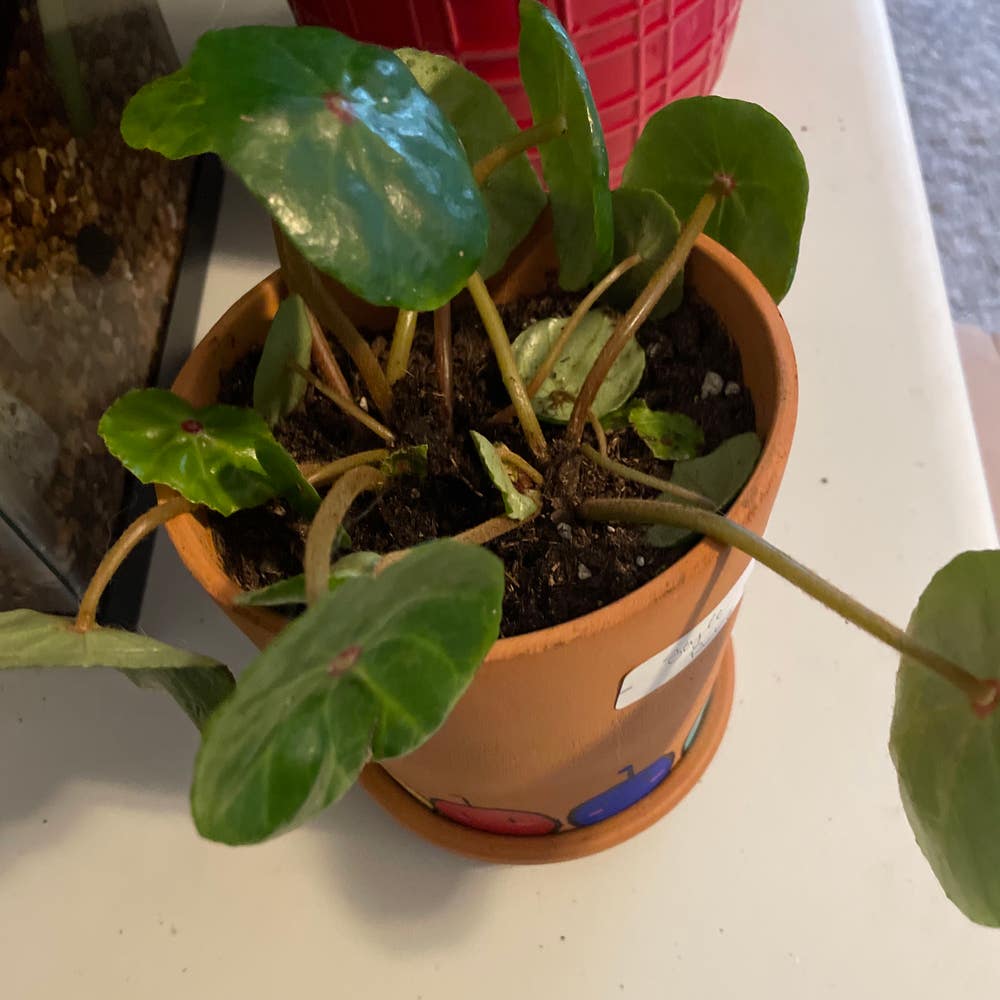
How to Prune Begonia conchifolia
Begonia conchifolia
By the Greg Editorial Team
Feb 09, 2024•3 min read
This article was created with the help of AI so we can cover more plants for you. May contain errors. See one? Report it here.
Achieve a thriving, eye-catching Begonia conchifolia with expert pruning tips! 🌿✂️
- Prune post-bloom for energy focus and vigorous growth.
- 🌱 Early spring pruning helps identify which parts need trimming.
- Clean, sharp tools prevent disease and promote healthy cuts.
Gear Up: Choosing Your Pruning Tools
🔪 The Pruner's Toolkit
Sharp pruning shears are the bread and butter of your toolkit. They're essential for precise cuts that heal quickly, preventing disease. For Begonia conchifolia, which doesn't have thick branches, a quality pair of hand shears is your go-to.
Loppers? Maybe overkill for this delicate task, but keep them in your arsenal for the day you tackle something heftier. And don't forget a sharpening stone—dull tools are a cardinal sin in pruning.
🧼 Keeping It Clean
Sterilization is the unsung hero of plant health. Disinfect your tools before and after use with rubbing alcohol or a bleach solution. Think of it as a vaccine for your plant—preventing the spread of the microbial boogeymen that lurk unseen.
Wire brushes and rags are your cleanup crew, ensuring your tools stay free of sap and debris. A drop of lubricant post-wash keeps the action smooth and rust at bay. Remember, clean tools are happy tools, and happy tools make for thriving Begonias.
Timing Is Everything: When to Prune
🌸 Post-Bloom Pruning
After your Begonia conchifolia's final bloom fades, it's go-time for pruning. This isn't just busywork; it's strategic. Post-bloom pruning channels the plant's energy into vigorous growth rather than sustaining spent flowers. It's a clear signal to your plant: "Let's prep for next year's spectacle."
🌱 Seasonal Smarts
Early spring is the sweet spot for pruning. Your Begonia conchifolia is waking up from its winter nap, stretching out its stems, ready to grow. Pruning now sets the stage for a healthy, bushy display. Plus, it's easier to spot which parts to prune before the plant is in full leaf-out. Don't miss this window—it's your cue to shape the future.
The Art of the Snip: Pruning Techniques
🔍 Identifying the Cut
Spotting which parts of your Begonia conchifolia need a trim is like being a botanical detective. Look for discolored leaves, overgrown stems, or spent blooms. These are your culprits, sapping the plant's energy.
✂️ Making the Cut
Prune with precision, making clean cuts just above a leaf node to promote new growth. Use sharp tools to avoid damage, and always cut at a 45-degree angle to prevent water accumulation and promote quick healing.
💧 Aftercare Tips
Hydration is key post-pruning. Water your Begonia conchifolia, but don't drown it—think of it as a refreshing sip, not a flood. Keep an eye on the soil moisture and adjust your watering schedule accordingly.
Pruning for Pizzazz and Plant Health
✂️ Shaping Up
Pruning isn't just a chop here and a snip there; it's about vision. For Begonia conchifolia, think of it as a styling session where you're the director and the plant is your star. Strategize your cuts to highlight the plant's natural contours, creating a shape that's not just pleasing to the eye, but also promotes healthy growth.
💨 Breathe Easy
Good air circulation is like a breath of fresh air for your Begonia—it's essential. Pruning isn't just about looks; it's about health. By thinning out dense foliage, you're giving your plant the room it needs to avoid fungal infections and breathe easy. It's a simple equation: better air flow equals less disease.
🌱 Growth Goals
Want a Begonia that's lush and full rather than spindly and sad? Pinch back the tips to encourage bushier growth. It's like hitting the gym for your plant—regular pruning sessions result in a stronger, more robust form. And remember, it's not about being overzealous; it's about thoughtful cuts for a plant that's both vibrant and vigorous.
⚠️ Safety First
This content is for general information and may contain errors, omissions, or outdated details. It is not medical, veterinary advice, or an endorsement of therapeutic claims.
Always consult a qualified healthcare professional before using any plant as food, medicine, or supplement.
Never eat any plant (or feed one to pets) without confirming its identity with at least two trusted sources.
If you suspect poisoning, call Poison Control (800) 222-1222, the Pet Poison Helpline (800) 213-6680, or your local emergency service immediately.
Spotted an error? Please report it here.
Achieve a perfectly shaped Begonia conchifolia ✂️ by following Greg's tailored pruning reminders, ensuring your plant's health and splendor with every snip.