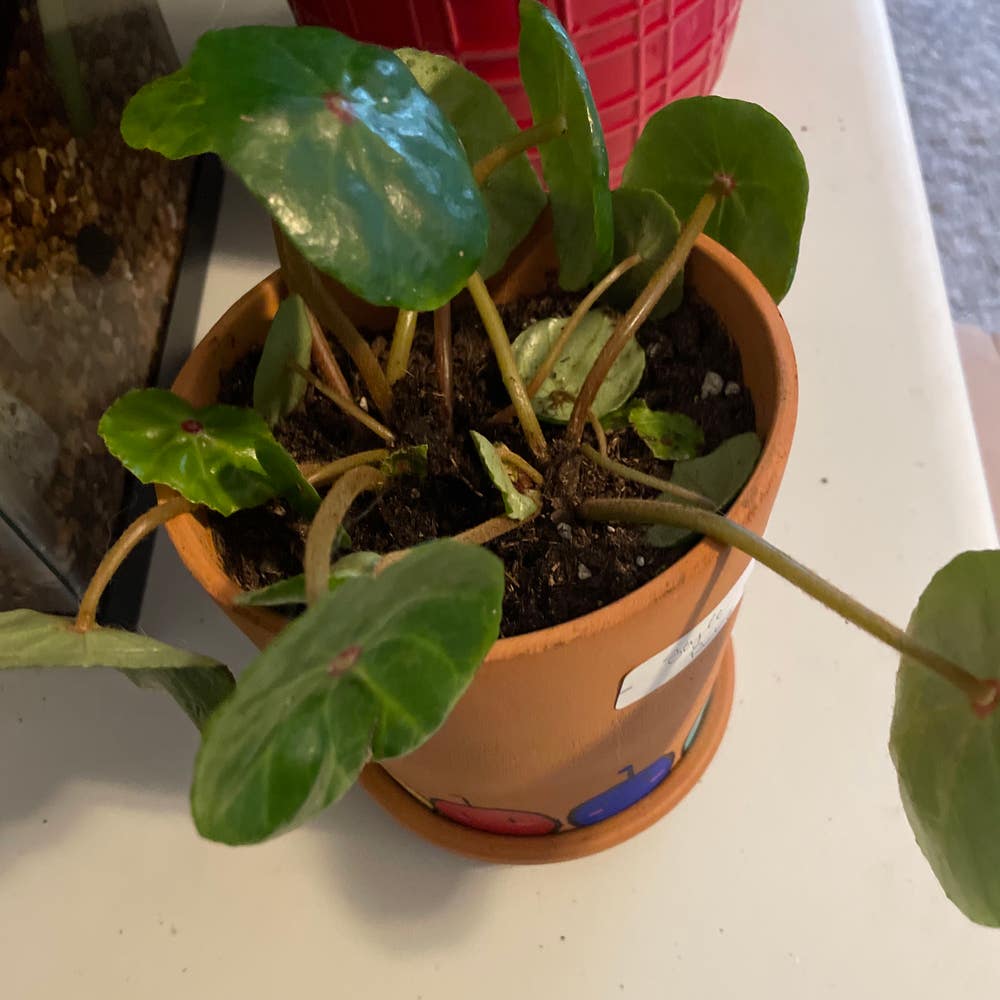
Why Is My Begonia conchifolia Not Doing Well?
Begonia conchifolia
By the Greg Editorial Team
Feb 09, 2024•4 min read
This article was created with the help of AI so we can cover more plants for you. May contain errors. See one? Report it here.
Revive your wilting Begonia conchifolia 🌿 with these essential, life-saving care tips!
- 🌊 Over/under-watering? Look for yellow/wilting leaves and aim for damp sponge soil feel.
- 🌞🌱 Right light is key: Avoid crispy or stretched leaves by providing bright, indirect light.
- 🌡️ Consistent 65-75°F temps prevent wilting/yellowing; watch for pests and mold signs.
Water Woes: Striking the Right Balance
🚰 Over and Under-Watering
Spotting the signs: What does your Begonia conchifolia tell you?
Wilting leaves on a Begonia conchifolia scream under-watering, while yellowing leaves hint at too much love in the form of water. A plant's cry for help doesn't get more obvious than leaves that feel like yesterday's salad—limp and lifeless. On the flip side, soil that's more crumbly than a stale cookie is your cue to get watering.
The Goldilocks zone: Finding the perfect watering routine
Finding the watering sweet spot is less about sticking to a rigid schedule and more about observing your plant. The soil should be your guide; it needs to feel like a damp sponge—moist, not drenched. During the growing season, your Begonia conchifolia might be thirstier, but come winter, it's time to ease up on the hydration.
Quick fixes: Reviving your plant from water extremes
If you've overdone it with the watering can, it's time for some damage control. Move your plant to a brighter spot with indirect light to encourage drying. For the underwatered, a thorough soak might just be the lifeline it needs. Remember, good drainage is not just a nice-to-have; it's your plant's ticket to recovery.
Light and Shade: Finding the Sweet Spot
🌞 Too Much Sun or Not Enough?
Begonia conchifolia thrives when it hits the sweet spot of light exposure.
Reading the leaves: Understanding light-related stress
Scorched, crispy leaves? Too much sun. Leggy, stretched-out stems? Not enough. Your plant's foliage is a built-in distress signal, so pay attention.
Location, location, location: Ideal lighting for Begonia conchifolia
Place your Begonia conchifolia where it can bask in bright, indirect light. North or east-facing windows are usually a safe bet, or under a canopy that diffuses the sun's intensity.
Rescue remedies: Adjusting light to get back on track
If your Begonia is sunburnt, move it away from direct rays—think sheer curtains for a soft filter. Too dim? Edge it closer to the light, or consider a grow light. Consistency is your friend here; abrupt changes are a no-go.
Temperature Tantrums: Keeping It Consistent
🌡️ Avoiding the Chills and Overheats
Begonia conchifolia doesn't take kindly to temperature swings. It's like a finicky house guest; it wants its comfort and it wants it consistent.
🌡️ Temperature Tell-Tales: Recognizing Discomfort in Your Plant
Wilting, yellowing leaves are your Begonia's way of waving a white flag. Dropping leaves faster than a tree in autumn? That's a red alert for temperature distress.
🌡️ The Comfort Zone: Ideal Temperature Range for Begonia conchifolia
This plant prefers a steady climate, ideally between 65-75°F (18-24°C). It's not asking for a tropical vacation, just a stable environment where it can kick back and grow.
🌡️ Crisis Control: Stabilizing Temperature for Recovery
Caught your Begonia shivering or sweating? Time to play thermostat ninja. Keep the temps steady, avoid drafts, and maybe invest in a thermometer—it's cheaper than plant therapy.
Pests and Pathogens: Unwanted Guests
🐛 Pests: The Usual Suspects
Begonia conchifolia is a magnet for certain critters. Spider mites, aphids, and mealybugs top the list of freeloaders. These pests are more than just a nuisance; they're a threat to your plant's well-being.
🕵️ Identifying the Intruders
Check the undersides of leaves; if you see tiny webs, speckled foliage, or sticky residue, it's time to act. Spider mites are the culprits behind the webs, while a sticky mess points to mealybugs or aphids.
🚪 Evicting the Pests
Insecticidal soap or neem oil are your go-to bouncers for these pests. Apply with gusto, ensuring complete coverage. Regular inspections are your best defense; catch these pests early before they throw a rave.
Fungus Among Us: Mold and Root Rot
Fungus and mold are the silent party crashers, thriving in the shadows of excess moisture and poor air circulation. They can spell disaster for your Begonia conchifolia if left unchecked.
🍄 Spotting the Fungal Flags
Look for a fuzzy or powdery presence on leaves or stems. Root rot, on the other hand, is sneakier. If your plant is wilting or its growth has stalled, it's time to investigate below the soil line.
🧹 The Clean Sweep
Boost airflow and balance humidity to put a damper on the mold's plans. If the situation's dire, a fungicide might be necessary. Remember, cleanliness is crucial; remove any fallen leaves and avoid wetting the foliage. For root rot, trim away the affected roots and repot in fresh, well-draining soil.
Regular care and vigilance are your best weapons against these unwanted guests. Keep a watchful eye, and your Begonia conchifolia will thank you.
⚠️ Safety First
This content is for general information and may contain errors, omissions, or outdated details. It is not medical, veterinary advice, or an endorsement of therapeutic claims.
Always consult a qualified healthcare professional before using any plant as food, medicine, or supplement.
Never eat any plant (or feed one to pets) without confirming its identity with at least two trusted sources.
If you suspect poisoning, call Poison Control (800) 222-1222, the Pet Poison Helpline (800) 213-6680, or your local emergency service immediately.
Spotted an error? Please report it here.
Revive your Begonia conchifolia and prevent future woes with Greg's custom care alerts 🛡️, ensuring just-right watering, light, and pest control for your plant's best health.