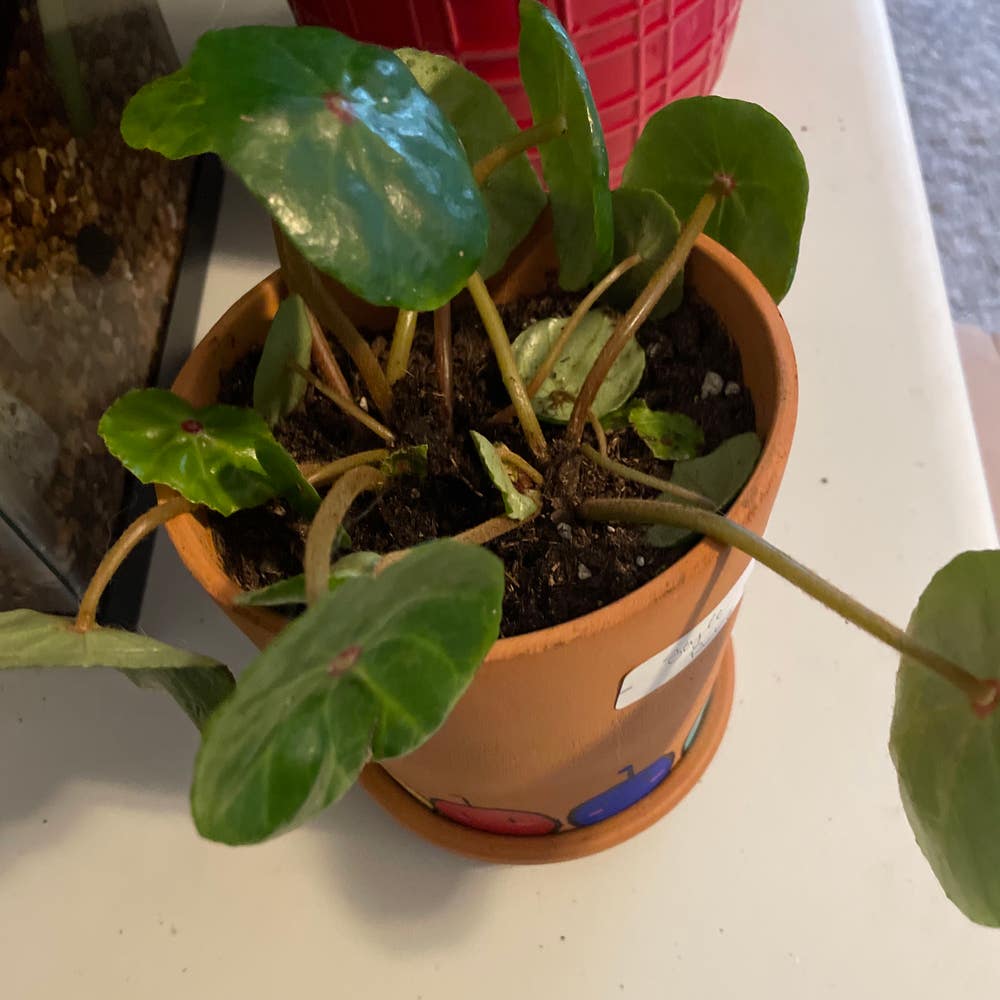
How to Get a Begonia conchifolia to Bloom
Begonia conchifolia
By the Greg Editorial Team
Feb 09, 2024•4 min read
This article was created with the help of AI so we can cover more plants for you. May contain errors. See one? Report it here.
Discover how to make your Begonia conchifolia dazzle 🌟 with blooms by mastering these essential care tips.
- 🌞 Bright, indirect light is crucial for Begonia conchifolia blooms.
- 💧🌡️ Avoid overwatering and temperature swings to prevent bud drop.
- ✂️ Prune and deadhead regularly for continuous, vibrant flowers.
Setting the Stage for Spectacular Blooms
💡 The Right Light: A Game-Changer for Flowers
Begonia conchifolia is a bit of a diva when it comes to lighting. It craves bright, indirect light like a cat craves a sunny windowsill. Too much direct sun, and you'll have a crispy plant on your hands. Think east-facing window or a spot that gets dappled sunlight; that's your goldilocks zone. If you're in a less sunny locale, artificial grow lights are your friend. Aim for 10-12 hours of light per day, but don't cozy the plant up too close to the lights—maintain a few inches of space to prevent leaf burn.
🌡️ Temperature and Humidity: Creating a Flower-Friendly Atmosphere
Temperature-wise, Begonia conchifolia likes it steady, like your favorite barista's pour-over technique. Avoid fluctuations that could shock the plant into a blooming boycott. The ideal temperature range is a cozy 65-75°F (18-24°C). Now, let's talk humidity. These plants don't want to live in a desert, nor do they fancy a rainforest. Aim for a comfortable 50% humidity. If your air is drier than a stand-up comedian's wit, consider a humidifier or a pebble tray to up the ante. Just don't go overboard—too much moisture invites more fungus than a mushroom farm.
Feeding Your Begonia for Fabulous Flowers
💧 Water Wisdom: Quenching Thirst Without Drowning Dreams
Adjusting your watering schedule is crucial as your Begonia conchifolia approaches its bloom period. The soil should remain consistently moist, signaling the plant to invest in its floral display. Overwatering, however, is a pitfall to avoid; it can lead to root rot and a dramatic collapse of your blooming aspirations.
During the pre-bloom phase, increase watering frequency to support the burgeoning buds. As flowers emerge, maintain soil moisture but be vigilant for signs of excess water, such as wilting or soggy soil. Bottom watering is recommended, encouraging deep root growth and robust blooms.
🌿 Fertilizer: The Secret Sauce for Flower Power
Selecting the right fertilizer is akin to crafting a gourmet meal for your plant. A balanced mix, rich in phosphorus, is key to encouraging those vibrant blooms. Look for a formula with equal parts nitrogen, phosphorus, and potassium, along with essential trace elements.
Application frequency should align with the plant's growth stages. During the active growing season, typically spring through fall, fertilize every four to six weeks. Observe your Begonia's response; lush, green growth and plentiful blooms will indicate you've hit the sweet spot. Too much fertilizer can be just as detrimental as too little, so adjust quantities based on the plant's feedback. Remember, a little nourishment goes a long way in the quest for fabulous flowers.
Pruning Practices to Prompt More Petals
✂️ Snip to Shape and Stimulate Blooming
Strategic pruning isn't just about aesthetics; it's a crucial step for encouraging your Begonia conchifolia to bloom. Trim back leggy stems to a node to promote a bushier plant with more flowers. This is like redirecting traffic—ensuring energy flows to the blooms, not the excess foliage. Remember, every cut should have a purpose, whether it's shaping or removing dead or damaged growth.
💐 Deadheading: Keep the Blooms Coming
Deadheading is the unsung hero of continuous blooming. Remove spent flowers regularly to prevent your plant from wasting energy on seed production. Snip them right back to the base, but be gentle—avoid collateral damage to the healthy buds eagerly waiting their turn. This isn't just maintenance; it's an encouragement for your Begonia conchifolia to keep the flower show going.
Overcoming Blooming Obstacles
🌸 Bud Drop Blues: Keeping Flowers on the Plant
Bud drop can turn your begonia dreams into a floral fiasco. Overwatering is a common culprit, leaving the plant's feet too wet for comfort. Conversely, a thirsty begonia might drop buds in protest. Keep the soil moist, but not soggy, and let it dry out slightly between waterings. Temperature swings can shock the plant, leading to bud loss. Aim for a steady, warm environment, free from drafts and sudden changes.
💐 When Blooms are Bashful: Encouraging Reluctant Flowers
Sometimes, begonias play hard to get. If your Begonia conchifolia is shy to bloom, check its diet. A balanced fertilizer can coax flowers out of hiding. Apply it as directed, avoiding the temptation to overfeed. Pruning isn't just for looks; it can also encourage blooming. Snip strategically, but don't go Edward Scissorhands on your plant. Patience is essential—give your begonia time to adjust and perform. If pests are party-crashing, show them the door with insecticidal soap or neem oil. Remember, consistency in care is key. Keep your routine regular, and those blooms should eventually pop.
⚠️ Safety First
This content is for general information and may contain errors, omissions, or outdated details. It is not medical, veterinary advice, or an endorsement of therapeutic claims.
Always consult a qualified healthcare professional before using any plant as food, medicine, or supplement.
Never eat any plant (or feed one to pets) without confirming its identity with at least two trusted sources.
If you suspect poisoning, call Poison Control (800) 222-1222, the Pet Poison Helpline (800) 213-6680, or your local emergency service immediately.
Spotted an error? Please report it here.
Turn your Begonia conchifolia into a consistent bloomer 🌸 with Greg's tailored reminders for watering, fertilizing, and pruning—your personal cheat sheet for a flourishing display!