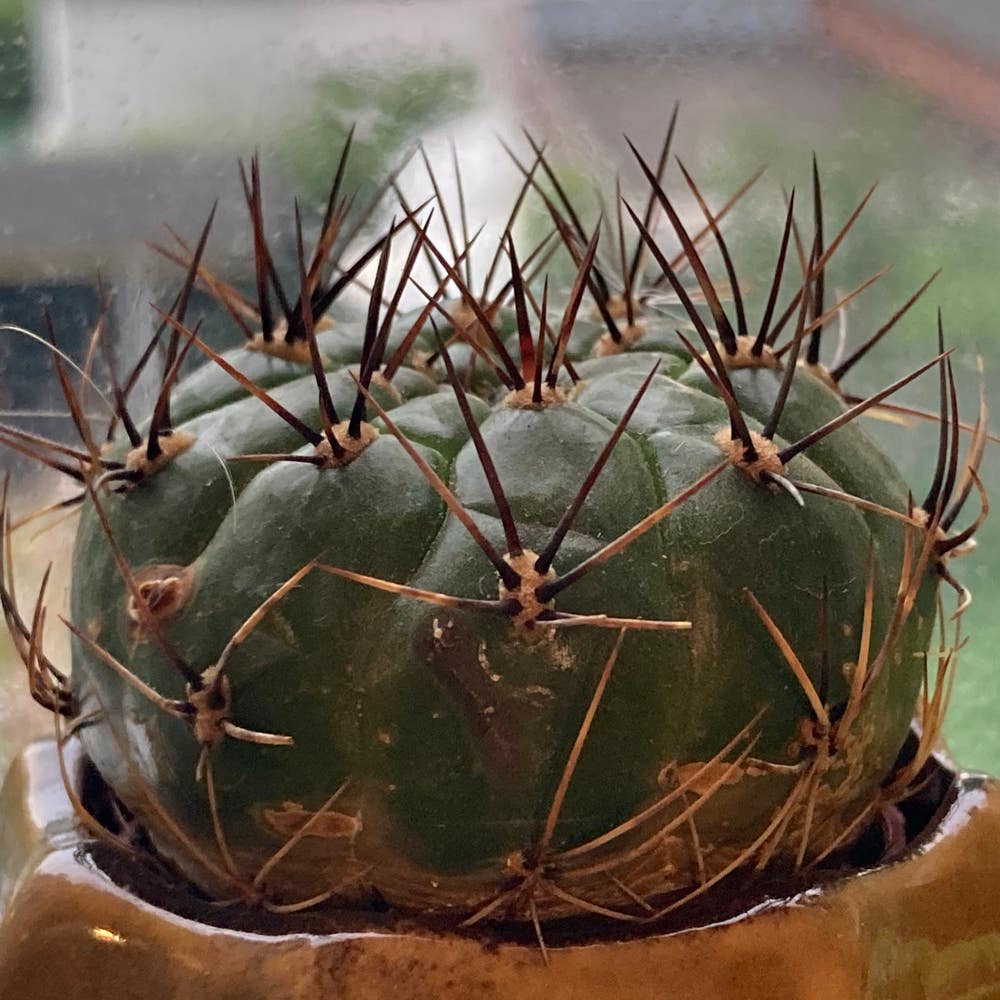
🌵 9 Perfect Spots to Plant Your Matucana
Matucana spp.
By the Greg Editorial Team
Nov 08, 2024•3 min read
This article was created with the help of AI so we can cover more plants for you. May contain errors. See one? Report it here.
- 🌞 Matucana needs 6-8 hours of direct sunlight for vibrant growth and blooms.
- 🌱 Well-draining soil is essential; sandy or loamy soils prevent root rot.
- 🌬️ Protect from winds and ensure good air circulation for optimal health.
Ideal Planting Locations
☀️ Sunlight Exposure Requirements
Matucana thrives in full sun, requiring 6-8 hours of direct sunlight daily. This exposure not only enhances flowering but also boosts the plant's overall health.
While some varieties can tolerate partial shade, optimal growth occurs in bright light. Ensuring your Matucana receives adequate sunlight is crucial for its vibrant blooms.
🌱 Soil Type Preferences
For healthy Matucana growth, well-draining soil is essential to prevent root rot. The ideal soil composition includes sandy or loamy soils that provide good aeration.
Aim for a soil pH range of slightly acidic to neutral (pH 6.0 to 7.0). To improve drainage, consider adding perlite or coarse sand to your soil mix.
📍 Assessing the Best Spot
🕶️ Evaluating Sunlight Patterns
To find the perfect planting spot, observe sunlight patterns throughout the day. Identify areas that receive consistent light exposure, which is vital for your plant's growth.
Using garden stakes or markers can help you track sun patterns over a week. Also, remember to consider seasonal changes, as sunlight shifts can affect your plant's health.
🧪 Analyzing Soil Conditions and Drainage
Conducting a soil test is a great way to assess drainage capabilities and nutrient content. Look for signs of poor drainage, such as water pooling, muddy soil, or slow absorption.
If you notice these issues, consider solutions like raised beds or amending the soil with organic matter to enhance drainage.
🌬️ Considering Wind Protection and Microclimates
Identifying areas exposed to wind is crucial. Observe prevailing winds and their potential impact on your Matucana.
Utilizing natural barriers, such as planting near walls, fences, or larger plants, can provide effective windbreaks. Additionally, creating microclimates with structures or companion plants can help modify local conditions for better growth.
🏠 Indoor vs. Outdoor Planting
🪴 Best Indoor Locations
For indoor planting, south-facing windows or bright rooms are ideal spots for your Matucana. If natural light is insufficient, supplement it with grow lights to ensure your plant thrives.
Don’t forget about humidity! Ensuring adequate air circulation is key to preventing mold and keeping your plant healthy.
🌳 Outdoor Planting Considerations
When planting outdoors, choose locations that receive full sun and are away from heavy shade. Timing is also important; consider the best seasonal planting times based on your local climate.
Lastly, protect your Matucana from extreme weather by using cloches or shade cloth during harsh conditions.
⚠️ Common Location Challenges
🌥️ Addressing Shade vs. Sun Exposure Issues
Identifying areas of excessive shade is essential for your Matucana's health. Observe plant growth and health to pinpoint these spots.
If you find your plant struggling in the shade, consider selecting more shade-tolerant varieties or relocating your Matucana to a sunnier spot. Remember, adequate sun exposure is crucial for optimal blooming.
🚧 Solutions for Poor Drainage Areas
Recognizing signs of poor drainage, such as waterlogged soil and stunted growth, is vital. If you encounter these issues, implement drainage solutions like creating raised beds or using gravel to improve drainage.
If drainage remains a problem, consider relocating your Matucana to areas with better drainage conditions. This simple change can make a significant difference in your plant's health and vitality.
With the right sunlight, soil, and location, your Matucana will flourish beautifully!
⚠️ Safety First
This content is for general information and may contain errors, omissions, or outdated details. It is not medical, veterinary advice, or an endorsement of therapeutic claims.
Always consult a qualified healthcare professional before using any plant as food, medicine, or supplement.
Never eat any plant (or feed one to pets) without confirming its identity with at least two trusted sources.
If you suspect poisoning, call Poison Control (800) 222-1222, the Pet Poison Helpline (800) 213-6680, or your local emergency service immediately.
Spotted an error? Please report it here.
Find your Matucana's perfect sunny spot 🌞 with Greg's tailored reminders and soil testing tools to ensure vibrant blooms and healthy growth!