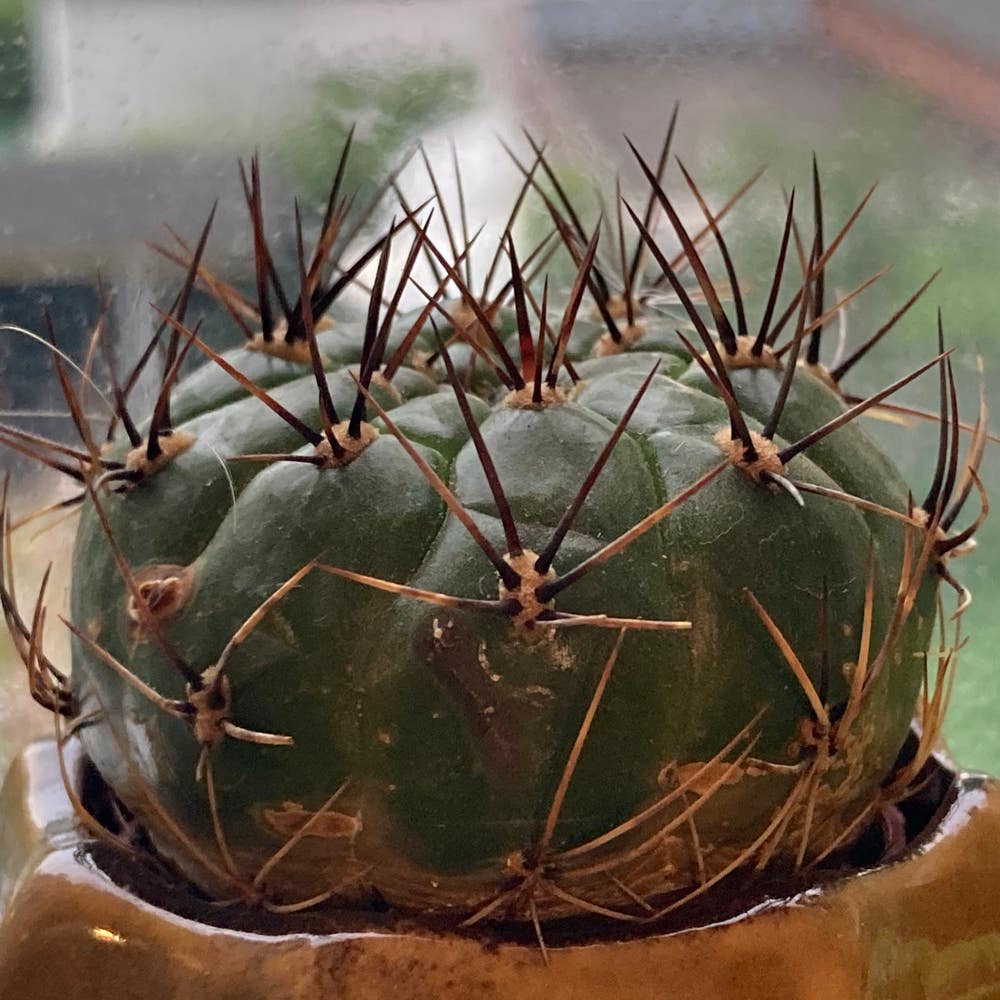
Best Tips for Droopy Leaves on Matucana 😢
Matucana spp.
By the Greg Editorial Team
Nov 08, 2024•6 min read
This article was created with the help of AI so we can cover more plants for you. May contain errors. See one? Report it here.
- 💧 Overwatering causes droopy leaves; allow soil to dry before rewatering.
- 🌞 Ensure 6+ hours of sunlight daily for optimal Matucana health.
- 🌿 Use well-draining soil and pots with drainage holes to prevent root rot.
Causes of Droopy Leaves
💧 Overwatering: Signs and Solutions
Overwatering is a common culprit behind droopy leaves in Matucana. Look for symptoms like yellowing leaves and a mushy texture, which indicate that your plant is struggling.
Root rot is another serious issue, often signaled by a foul smell and blackened roots. If you notice these signs, it’s time to take action.
To remedy overwatering, allow the soil to dry out completely before rewatering. If root rot is present, repot your cactus in fresh, well-draining soil to give it a fighting chance.
During the growing season, aim to water every 2-3 weeks. This frequency helps maintain a healthy balance for your Matucana.
🚰 Underwatering: Identifying Symptoms
Underwatering can also lead to droopy leaves, and it’s essential to recognize the signs early. If your leaves appear shriveled and dry, or if the soil pulls away from the pot edges, your plant is likely thirsty.
To address underwatering, gradually rehydrate your cactus by soaking the pot in water for 10-15 minutes. Establishing a consistent watering schedule based on seasonal changes will help keep your Matucana thriving.
During active growth, aim to water weekly to ensure your plant receives adequate moisture.
🌡️ Environmental Stress: Temperature and Humidity Effects
Temperature and humidity play crucial roles in the health of your Matucana. The ideal temperature range is between 20°C to 30°C (68°F to 86°F).
Low humidity levels can cause leaf curling and droopiness. To combat this, increase humidity using pebble trays or misting.
It’s also vital to acclimatize your Matucana to sudden temperature changes. This practice helps prevent stress and keeps your plant happy.
🌱 Soil Quality: Importance of Drainage
Soil quality is another key factor in preventing droopy leaves. For optimal drainage, use a mix of cactus soil, perlite, and sand.
Signs of poor drainage include water pooling on the surface and prolonged moisture retention. If you notice these issues, it’s time to take action.
Repotting in a well-draining soil mix can make a significant difference. Always ensure your pots have drainage holes to prevent water from accumulating.
🐞 Pest Infestation: Identifying and Treating Common Pests
Pest infestations can also lead to droopy leaves in Matucana. Common pests include mealybugs, which appear as white, cotton-like masses on leaves, and spider mites, which leave webbing and stippled leaves.
To treat these pests, manually remove them using a cotton swab dipped in alcohol. You can also apply insecticidal soap or neem oil for more extensive infestations.
Regular inspections are crucial to prevent infestations from taking hold. Keeping an eye on your plant can save you a lot of trouble down the line.
Understanding these causes of droopy leaves will help you take proactive steps to keep your Matucana healthy. Next, we’ll explore how to diagnose droopy leaves effectively.
Diagnosing Droopy Leaves
👀 Visual Symptoms: What to Look For
When diagnosing droopy leaves on your Matucana, start by examining the leaf texture. Softness or shriveling can indicate underlying issues.
Additionally, pay attention to color changes. Yellowing or browning tips are clear signs that your plant may be struggling.
💧 Differentiating Between Overwatering and Underwatering
Understanding the difference between overwatering and underwatering is crucial for recovery. Overwatering typically presents as soft, mushy leaves and can lead to root rot.
In contrast, underwatering manifests as dry, shriveled leaves, often accompanied by soil pulling away from the pot edges. Recognizing these signs early can save your plant.
🌡️ Assessing Environmental Conditions: Light and Temperature
Next, evaluate the environmental conditions affecting your Matucana. Ideally, these cacti thrive in full sun exposure for at least six hours daily.
Temperature is another critical factor. Keep an eye on extremes—anything below 10°C (50°F) or above 35°C (95°F) can stress your plant and contribute to droopiness.
By closely monitoring these visual symptoms and environmental factors, you can effectively diagnose and address the causes of droopy leaves. This proactive approach sets the stage for healthier growth and a thriving Matucana.
Preventing Droopy Leaves
💧 Best Watering Practices for Matucana
Establishing a consistent watering schedule is crucial for keeping your Matucana healthy. Adjust your watering frequency based on the season and the moisture level of the soil.
To check soil moisture, you can use a moisture meter for accuracy or simply perform a finger test. Insert your finger into the soil; if it feels dry an inch down, it’s time to water.
🪴 Ideal Soil Composition and Drainage Techniques
The right soil mix is vital for your Matucana's health. A recommended ratio is 50% cactus soil, 25% perlite, and 25% coarse sand to ensure optimal drainage.
Always use pots with drainage holes to prevent water from pooling at the bottom. This simple step can save your cactus from root rot and other moisture-related issues.
☀️ Optimal Light Conditions for Healthy Growth
Maximizing sunlight exposure is essential for vibrant growth. Place your Matucana near south or west-facing windows to provide at least six hours of direct sunlight daily.
Be mindful of seasonal changes; adjust the plant's position to ensure it receives adequate light throughout the year. This will help maintain its health and prevent droopy leaves.
🍂 Seasonal Care Adjustments
As the seasons change, so should your care routine. Increase watering frequency during spring and summer when the plant is actively growing, and reduce it in fall and winter.
Additionally, keep an eye on temperature and humidity levels, as these factors can significantly impact your Matucana's well-being. Regular adjustments will help keep your cactus thriving year-round.
By implementing these preventive measures, you can maintain the health of your Matucana and avoid the frustration of droopy leaves. Next, let’s explore how to treat droopy leaves effectively when they do occur.
Treating Droopy Leaves
🌱 Step-by-Step Recovery Process for Overwatered Matucana
If your Matucana is suffering from overwatering, start by assessing the damage. Look for signs like mushy leaves and root rot.
Next, carefully remove the cactus from its pot and inspect the roots. Trim away any rotten sections and allow the plant to dry for about 24 hours.
Once dried, repot your cactus in fresh, dry soil. It's crucial to avoid watering for at least a week to let the roots recover.
💧 Rehydrating Underwatered Matucana: Techniques
For underwatered Matucana, the recovery process is straightforward. Begin by soaking the pot in water for 10-15 minutes to rehydrate the soil.
After soaking, allow any excess water to drain completely. Keep an eye on your cactus over the next few days for signs of recovery, such as perkier leaves.
🌡️ Adjusting Environmental Factors for Recovery
Environmental conditions play a significant role in your cactus's recovery. Gradually acclimate your Matucana to optimal light and temperature conditions to promote healing.
Maintaining consistent humidity levels is also essential. This will help support your cactus as it bounces back from droopiness.
🪴 When to Repot: Signs and Best Practices
Knowing when to repot is crucial for your cactus's health. Signs that indicate the need for repotting include root-bound conditions or poor soil quality.
When repotting, choose a pot that is 1-2 inches larger in diameter than the current one. Use fresh, well-draining soil and remember to avoid overwatering after repotting to ensure a smooth transition.
With these steps, your Matucana can thrive again, bringing life back to your space. Now, let’s explore how to prevent droopy leaves in the first place.
⚠️ Safety First
This content is for general information and may contain errors, omissions, or outdated details. It is not medical, veterinary advice, or an endorsement of therapeutic claims.
Always consult a qualified healthcare professional before using any plant as food, medicine, or supplement.
Never eat any plant (or feed one to pets) without confirming its identity with at least two trusted sources.
If you suspect poisoning, call Poison Control (800) 222-1222, the Pet Poison Helpline (800) 213-6680, or your local emergency service immediately.
Spotted an error? Please report it here.
Keep your Matucana thriving 🌱 by using Greg's tailored reminders to master watering and light conditions, ensuring those droopy leaves become a thing of the past!