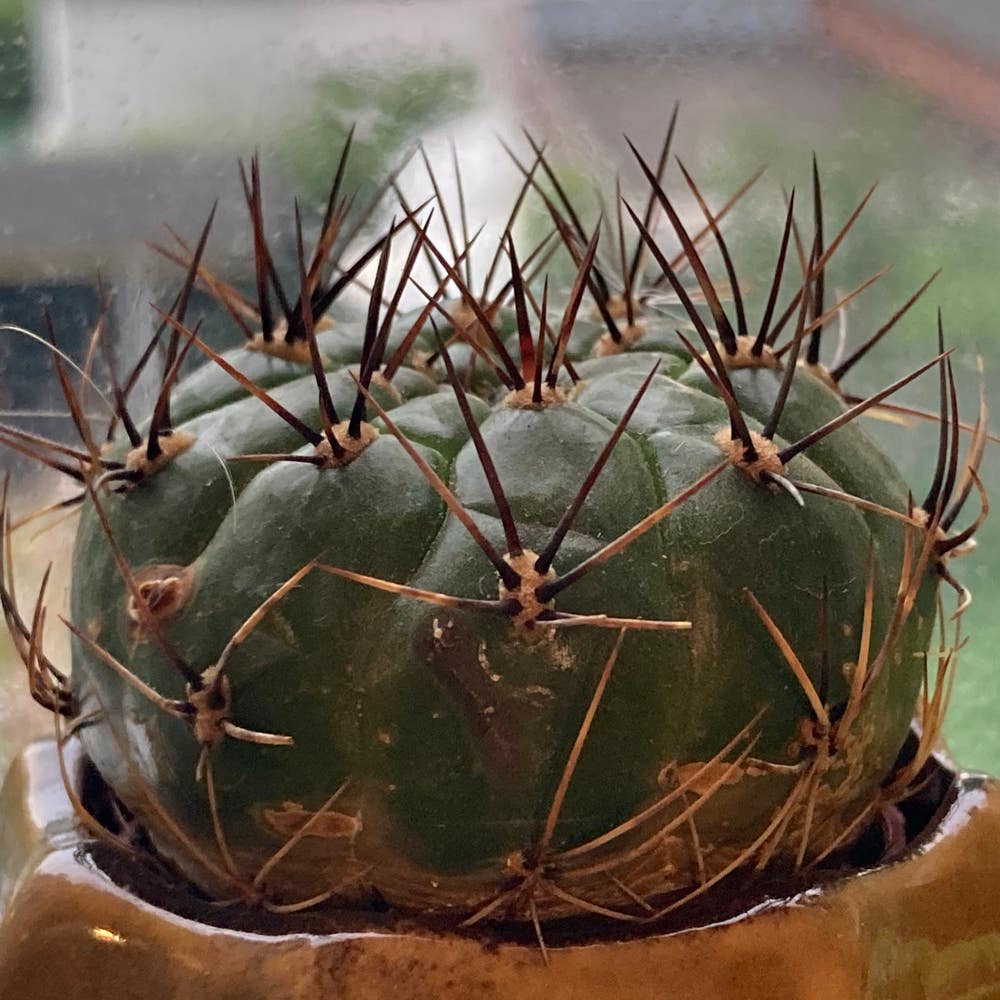
🌵 How to Fix Curling Leaves on Your Matucana
Matucana spp.
By the Greg Editorial Team
Nov 08, 2024•5 min read
This article was created with the help of AI so we can cover more plants for you. May contain errors. See one? Report it here.
- 🌱 Curling leaves indicate issues like overwatering, underwatering, or pests—act quickly!
- 💧 Establish a consistent watering schedule to prevent underwatering and wrinkled leaves.
- 🐛 Regularly inspect for pests like mealybugs to maintain your Matucana's health.
Causes of Curling Leaves
💧 Overwatering and Its Effects
Overwatering is a common issue that can lead to curling leaves on your Matucana. Symptoms include yellowing leaves and a mushy texture, which are clear signs that your plant is struggling.
Root rot often follows, resulting in stunted growth. To combat this, ensure your cactus has well-draining soil, as this prevents water accumulation. A recommended soil mix is 50% cactus soil and 50% perlite or sand.
🚰 Underwatering and Dehydration
On the flip side, underwatering can also cause curling leaves. Look for symptoms like wrinkled or shriveled leaves, which indicate your plant is thirsty.
A dry, brittle texture is another telltale sign. To maintain your Matucana's health, establish a consistent watering schedule, ideally every 2-3 weeks during the growing season. Keep an eye out for signs of dehydration to ensure your plant stays hydrated.
🐛 Pest Infestations
Common Pests Affecting Matucana
Pests can wreak havoc on your Matucana, leading to curling leaves and other issues. Mealybugs are a common culprit, identifiable by their cotton-like masses on leaves.
These pests can stunt growth and cause leaf curl. Spider mites are another threat, often leaving fine webbing and stippled leaves in their wake. They can reduce your plant's vigor and even lead to leaf drop.
🌡️ Environmental Stress
Environmental factors can also contribute to curling leaves. Temperature fluctuations are particularly impactful; Matucana thrives in an ideal range of 20°C to 30°C (68°F to 86°F).
When temperatures stray from this range, symptoms like leaf curl and discoloration may appear. Additionally, humidity levels matter—Matucana prefers low humidity, as high humidity can lead to fungal issues that further stress the plant.
Understanding these causes is crucial for maintaining the health of your Matucana. By addressing overwatering, underwatering, pest infestations, and environmental stress, you can help your plant thrive and prevent curling leaves. Next, let’s explore effective solutions to rectify these issues.
Solutions for Curling Leaves
🌊 Adjusting Watering Practices
Establishing a consistent watering schedule is crucial for your Matucana's health. Water your cactus when the top inch of soil feels dry to the touch.
To help you remember, consider using the Greg plant care app. It sends reminders, ensuring you never forget to check on your plant's hydration needs.
🪴 Improving Soil Drainage and Composition
Choosing the right soil mix can make a significant difference. Opt for a cactus-specific potting mix combined with added perlite to enhance drainage.
When repotting, select pots that have drainage holes. This prevents water accumulation, which is vital for keeping your cactus healthy.
🐞 Treating Pest Infestations
If pests are the culprit behind curling leaves, organic pest control methods can be effective. Apply neem oil to combat mealybugs and spider mites, as it disrupts their life cycle without harming your plant.
For severe infestations, consider using insecticidal soap. This can help eliminate pests while being gentle on your Matucana.
By implementing these solutions, you can restore your cactus's health and prevent future issues. Next, let's explore how to prevent curling leaves from occurring in the first place.
Preventing Curling Leaves
🌊 Best Practices for Watering
To keep your Matucana thriving, start by checking the soil moisture before watering. This simple step helps prevent overwatering, which is a common cause of curling leaves.
Using room temperature water is another essential tip. Cold water can shock your plant, leading to stress and potential leaf curl.
🌱 Choosing the Right Soil Mix
Selecting the right soil mix is crucial for your Matucana's health. Aim for a blend of 50% cactus soil and 50% perlite or coarse sand to ensure excellent drainage.
This combination not only supports healthy root development but also prevents water accumulation that can lead to curling leaves.
🔍 Regular Pest Inspections and Treatments
Regular pest inspections are vital for maintaining your plant's health. Check your Matucana bi-weekly for any signs of pests, as early detection can save your plant from significant damage.
In addition to inspections, consider applying neem oil monthly as a preventive measure. This natural solution helps keep pests at bay, ensuring your Matucana remains vibrant and healthy.
By following these preventive measures, you can maintain the health of your Matucana and enjoy its beauty for years to come. Next, let’s explore how to monitor and maintain your plant for ongoing success.
Monitoring and Maintenance
🌿 Regular Checks for Leaf Health
To keep your Matucana thriving, inspect its leaves weekly. Look for any signs of curling or discoloration, as these can indicate underlying issues that need addressing.
🍂 Seasonal Care Adjustments
As the seasons change, so should your care routine. During the winter months, reduce watering to prevent over-saturation and allow your cactus to rest.
🌱 Signs of Recovery and Ongoing Care
Watch for indicators of improvement, such as new growth and a return to healthy leaf texture. Continued monitoring is essential for ensuring long-term health and vitality.
By staying attentive to your Matucana's needs, you can foster a flourishing environment that promotes resilience and beauty. This proactive approach will set the stage for the next topic: effective solutions for curling leaves.
⚠️ Safety First
This content is for general information and may contain errors, omissions, or outdated details. It is not medical, veterinary advice, or an endorsement of therapeutic claims.
Always consult a qualified healthcare professional before using any plant as food, medicine, or supplement.
Never eat any plant (or feed one to pets) without confirming its identity with at least two trusted sources.
If you suspect poisoning, call Poison Control (800) 222-1222, the Pet Poison Helpline (800) 213-6680, or your local emergency service immediately.
Spotted an error? Please report it here.
Keep your Matucana curl-free 🌵 by using Greg's tailored watering reminders and pest alerts to ensure your cactus thrives with ease!