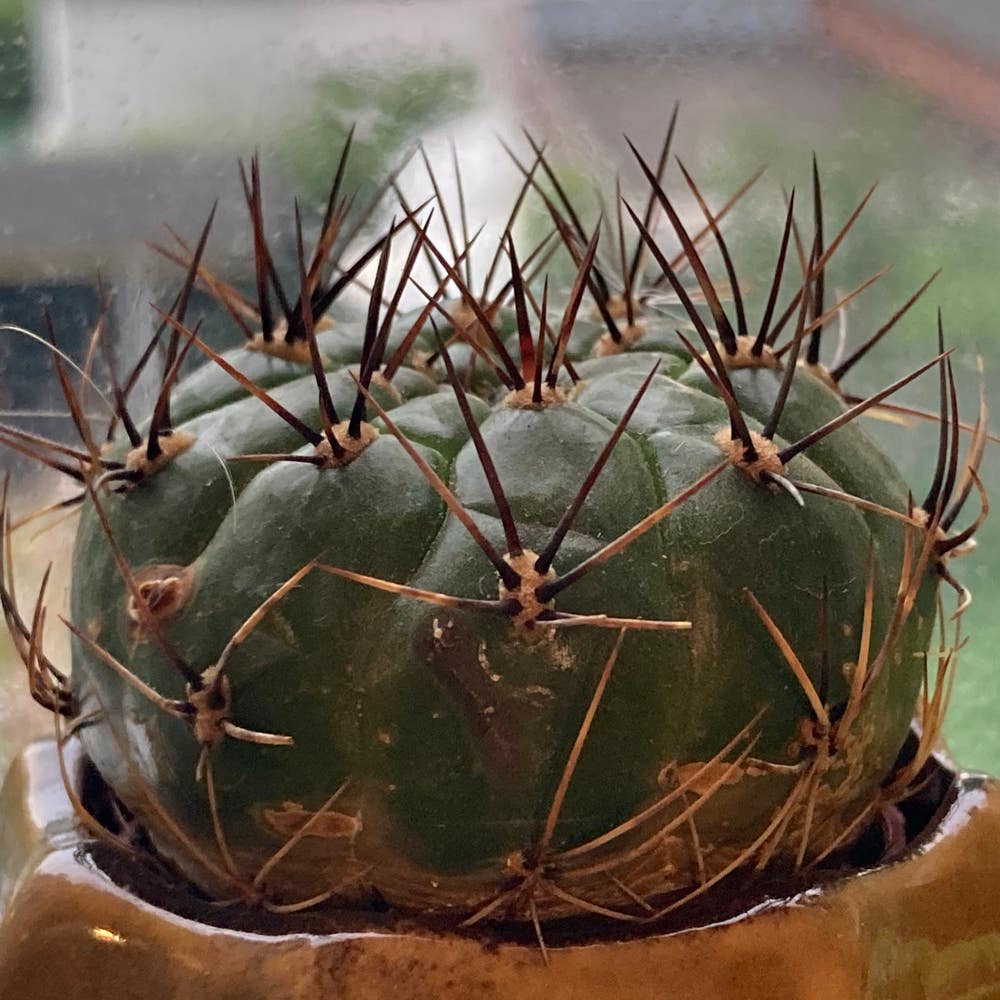
☀️ Good Temperature Range for Your Matucana
Matucana spp.
By the Greg Editorial Team
Nov 08, 2024•4 min read
This article was created with the help of AI so we can cover more plants for you. May contain errors. See one? Report it here.
- 🌡️ Cold stress below 40°F and heat stress above 100°F harm your Matucana.
- 🌬️ Humidity and wind worsen temperature stress; monitor both for optimal health.
- 🏡 Use greenhouses or shade structures to maintain stable temperatures for your Matucana.
Temperature Stress in Matucana
🌡️ Signs of Temperature Stress
Temperature stress can manifest in your Matucana in several noticeable ways. Cold stress often presents as wilting, discoloration, and stunted growth, while heat stress may lead to shriveling, browning edges, and even flower drop.
To catch these issues early, keep an eye out for visual indicators. Changes in leaf texture or color can signal that your plant is struggling with temperature extremes.
🔍 Causes of Temperature Stress
Understanding the triggers of temperature stress is crucial for prevention. Cold stress typically occurs with prolonged exposure to temperatures below 40°F (4°C), which can shock your Matucana.
On the flip side, heat stress arises from extended periods above 100°F (38°C). Environmental factors, like wind or humidity, can exacerbate these temperature extremes, making it essential to monitor your plant's surroundings.
🚀 Recovery Strategies for Stressed Matucana
If you notice signs of stress, immediate action is key. Start by moving your Matucana to a more suitable environment, whether that means finding shade or bringing it indoors.
Next, focus on gradual acclimatization to optimal temperatures. This approach helps your plant adjust without further shock.
Finally, don’t forget to monitor and adjust your care practices post-stress. Regular checks can ensure your Matucana remains healthy and vibrant, ready to thrive in its ideal conditions.
With these strategies, you can help your Matucana recover and flourish, setting the stage for the next section on temperature management techniques.
Temperature Management Techniques
🌡️ Methods to Maintain Optimal Temperature
Maintaining the right temperature for your Matucana is crucial for their health. Here are some best practices to ensure they thrive.
Best Practices for Outdoor Cultivation
Using shade structures can significantly help protect your Matucana from harsh sunlight. Windbreaks also play a vital role in shielding them from cold winds, which can cause stress.
Indoor Cultivation Techniques
For indoor setups, consider using temperature-regulating pots. These pots can help maintain a stable environment, and strategic placement near windows or heat sources can optimize warmth.
Monitoring Tools
Accurate temperature readings are essential. Invest in thermometers and temperature sensors to keep an eye on your plants' environment, ensuring they stay within the ideal range.
🌱 Use of Greenhouses for Temperature Control
Greenhouses offer a controlled environment that can be a game-changer for your Matucana. They help maintain stable temperatures, protecting your plants from extreme weather fluctuations.
Techniques for Heating and Cooling
In a greenhouse, consider using heaters during colder months and fans or vents for cooling in the summer. These techniques can help create a balanced climate for your plants.
Importance of Ventilation
Proper ventilation is key to preventing temperature extremes. It allows for air circulation, reducing the risk of overheating and ensuring your Matucana remains healthy and vibrant.
By implementing these temperature management techniques, you can create an optimal environment for your Matucana, promoting their growth and resilience. Next, we’ll explore the role of humidity in temperature management and how it affects your plants.
Brief Mention of Humidity
🌫️ Humidity's Role in Temperature Management
Humidity plays a crucial role in maintaining the overall health of your Matucana. It affects how plants absorb moisture and nutrients, influencing their growth and resilience.
High humidity can create a cozy environment for your plants, but it also comes with risks. Excess moisture in the air can lead to rot and diseases, making your Matucana vulnerable to various issues.
⚠️ Risks Associated with High Humidity Levels
When humidity levels soar, the chances of fungal infections increase significantly. This can result in root rot, which is often a death sentence for your plants.
Additionally, high humidity can hinder transpiration, the process by which plants release water vapor. This can lead to stress, as your Matucana struggles to regulate its internal environment.
In summary, while humidity is essential for temperature management, it must be balanced. Keeping an eye on humidity levels will help you maintain a healthy Matucana and prevent potential problems.
As you consider humidity, remember that it ties closely to temperature management. Next, we'll explore effective techniques for maintaining optimal temperatures for your Matucana.
⚠️ Safety First
This content is for general information and may contain errors, omissions, or outdated details. It is not medical, veterinary advice, or an endorsement of therapeutic claims.
Always consult a qualified healthcare professional before using any plant as food, medicine, or supplement.
Never eat any plant (or feed one to pets) without confirming its identity with at least two trusted sources.
If you suspect poisoning, call Poison Control (800) 222-1222, the Pet Poison Helpline (800) 213-6680, or your local emergency service immediately.
Spotted an error? Please report it here.
Keep your Matucana thriving 🌡️ by using Greg's tailored reminders and tips to maintain the perfect temperature and humidity for optimal growth!