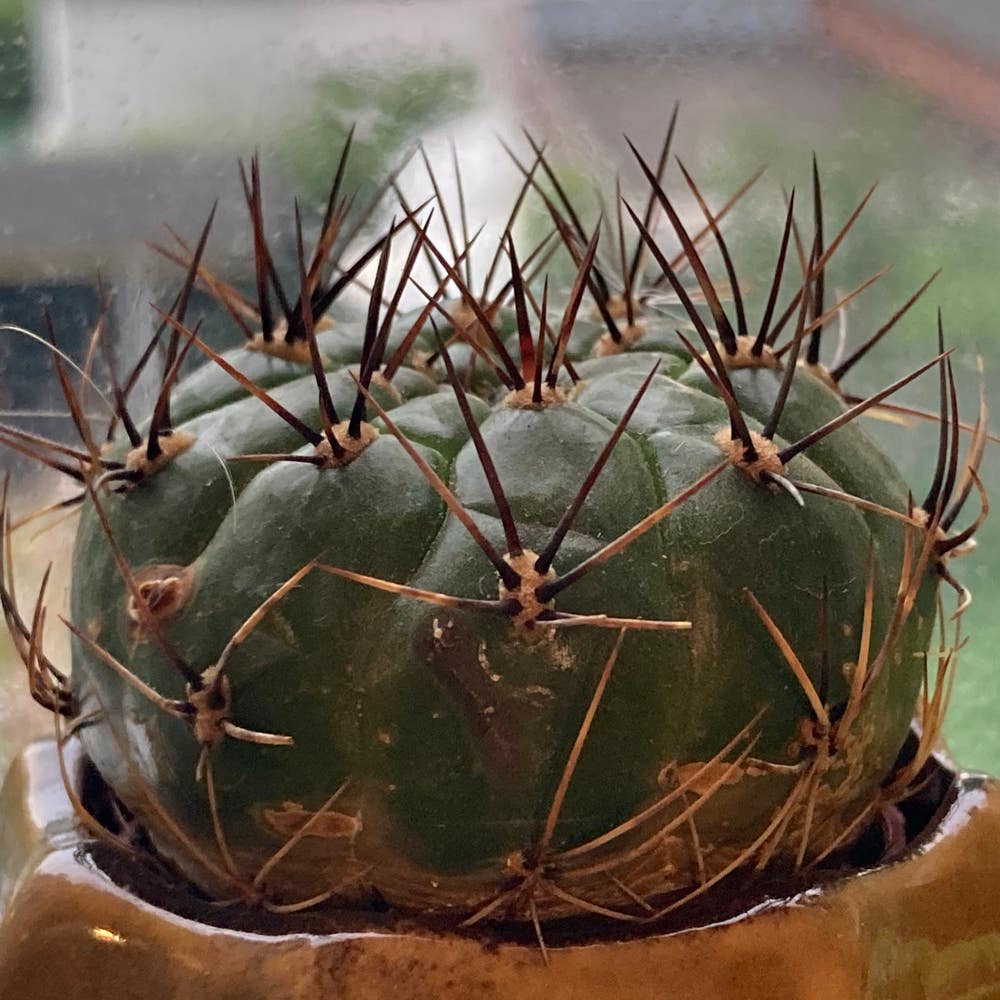
🌵 Matucana Wilting? Here's What to Do
Matucana spp.
By the Greg Editorial Team
Nov 08, 2024•6 min read
This article was created with the help of AI so we can cover more plants for you. May contain errors. See one? Report it here.
- 💧 Wilting in Matucana is caused by improper watering—over or underwatering both harm.
- 🌡️ Heat stress leads to wilting; keep temperatures between 20°C to 30°C (68°F to 86°F).
- 🌱 Regular monitoring and a consistent watering schedule are vital for plant health.
Common Causes of Wilting Leaves
💧 Water Stress
Water stress is a primary culprit behind wilting leaves in Matucana plants.
Overwatering can lead to mushy stems and yellowing leaves, signaling that the roots are drowning. Conversely, underwatering manifests as shriveled, dry leaves and a noticeable lack of turgor, making the plant appear lifeless.
Proper watering techniques are crucial. Always allow the soil to dry out between waterings to maintain a healthy balance.
🔥 Heat Stress
Heat stress is another significant factor affecting your plant's health.
Symptoms include wilting leaves, browning tips, and sunburned patches, indicating that your Matucana is struggling with excessive heat.
The ideal temperature range for these plants is between 20°C to 30°C (68°F to 86°F). Sudden temperature fluctuations can further exacerbate their stress, so maintaining stable conditions is essential.
🦠 Disease-Related Wilting
While less common, disease-related wilting can occur.
Look for signs such as dark spots, mold, or unusual discoloration on the leaves. However, it's important to note that pathogenic wilt is unlikely to be the primary cause of wilting in Matucana plants.
Understanding these common causes of wilting leaves can help you take proactive measures to keep your plant healthy. Next, we’ll explore how to diagnose wilting effectively.
Diagnosing Wilting
🛠️ Step-by-Step Guide
Diagnosing wilting in your Matucana is crucial for restoring its health. Start by assessing your watering habits; check the soil moisture levels to determine if you're over or underwatering.
Next, evaluate the environmental conditions. Take note of the temperature and light exposure, as these factors significantly impact your plant's well-being.
Finally, inspect for pests or diseases. Look for any signs of infestation or infection that could be contributing to the wilting.
🔍 Signs to Look For
Pay attention to the leaf texture; softness or shriveling can indicate stress.
Color changes are also key; yellowing or browning leaves often signal underlying issues.
Additionally, observe growth patterns. Stunted growth or abnormal shapes can reveal that your plant is struggling to thrive.
By carefully examining these signs, you can pinpoint the cause of wilting and take appropriate action. This proactive approach will help ensure your Matucana returns to its vibrant self.
Solutions for Wilting
💧 Actionable Advice for Water Stress
Water stress is a common culprit behind wilting leaves.
For overwatering, cut back on how often you water and focus on improving drainage. This helps prevent mushy stems and yellowing leaves.
If you suspect underwatering, gradually increase your watering frequency. Make sure the soil can absorb the moisture effectively to revive those shriveled leaves.
☀️ Actionable Advice for Heat Stress
Heat stress can also lead to wilting, especially during peak sunlight hours.
To combat this, relocate your plant to a shaded area where it can escape the harsh sun. This simple move can make a significant difference.
Additionally, consider using a humidity tray. This will help maintain moisture around your plant, creating a more favorable environment.
🦠 Actionable Advice for Disease-Related Wilting
If you notice signs of disease, swift action is essential.
Start by removing any affected areas of the plant. Pruning diseased parts can prevent further spread and promote healthier growth.
If necessary, treat the plant with appropriate fungicides. Always follow the label instructions to ensure safe and effective application.
By addressing these issues promptly, you can help your Matucana thrive once again. Next, let’s explore how to revive a wilted Matucana effectively.
Reviving a Wilted Matucana
🌊 Techniques for Bottom Watering
One effective method to revive your wilted Matucana is bottom watering. Simply place the pot in a shallow tray filled with water for about 30 minutes.
This technique encourages deep root growth and helps prevent overwatering, ensuring your plant gets the moisture it needs without the risk of soggy soil.
🏡 Relocating to a Suitable Environment
Next, consider relocating your plant to a more suitable environment. Aim for bright, indirect light and stable temperatures to promote recovery.
When moving your Matucana, do so gradually to avoid shocking the plant. Sudden changes can lead to further stress, so take your time with this adjustment.
✂️ Pruning Damaged Leaves
Pruning is another crucial step in the revival process. Use clean, sharp pruning shears to cut back any damaged or dead leaves.
Focus on removing parts that show signs of distress, cutting back to healthy tissue. This not only improves the plant's appearance but also redirects energy to healthier growth.
By following these steps, you can help your Matucana bounce back from wilting and thrive once again. Next, let’s explore some preventive measures to keep your plant healthy in the long run.
Preventive Measures
Tips to Minimize Future Wilting 🌱
To keep your Matucana thriving, establish a consistent watering schedule that adapts to seasonal changes. This means watering more frequently in the growing season and reducing it during dormancy.
Regularly monitor environmental conditions to ensure stability. Keep an eye on temperature fluctuations and light exposure, as these can significantly impact your plant's health.
Environmental Considerations 🌍
Choosing the right soil type is crucial for your Matucana. A well-draining cactus mix provides the necessary aeration and prevents waterlogging, which can lead to root rot.
Additionally, selecting the proper pot size is essential. A pot that’s too small can restrict root growth, while one that’s too large may retain excess moisture. Aim for a balance that allows your plant to flourish without the risk of wilting.
By implementing these preventive measures, you can create a nurturing environment that minimizes the risk of wilting and promotes healthy growth. Next, let’s explore when it might be time to seek expert assistance for your plant care challenges.
When to Seek Help
🆘 Signs That Indicate the Need for Expert Assistance
If your Matucana continues to wilt despite your best efforts, it may be time to seek help. Persistent wilting, even after adjusting watering and environmental conditions, signals a deeper issue.
Unusual growth patterns or discoloration can also indicate that something is seriously amiss. Keep an eye out for these signs, as they often suggest that your plant needs professional intervention.
📚 Resources for Assistance
Consulting local experts can provide tailored advice specific to your plant's needs. They can help diagnose issues that may not be immediately apparent.
Engaging with online communities, like Greg, offers additional support and resources. These platforms can connect you with fellow plant enthusiasts who share their experiences and solutions, making your journey a little easier.
By recognizing when to seek help and utilizing available resources, you can ensure your Matucana gets the care it deserves. Now, let's explore some preventive measures to keep your plant healthy and thriving.
⚠️ Safety First
This content is for general information and may contain errors, omissions, or outdated details. It is not medical, veterinary advice, or an endorsement of therapeutic claims.
Always consult a qualified healthcare professional before using any plant as food, medicine, or supplement.
Never eat any plant (or feed one to pets) without confirming its identity with at least two trusted sources.
If you suspect poisoning, call Poison Control (800) 222-1222, the Pet Poison Helpline (800) 213-6680, or your local emergency service immediately.
Spotted an error? Please report it here.
Keep your Matucana thriving 🌱 by using Greg's tailored watering reminders and expert community tips to prevent wilting and ensure vibrant growth!