🌵 Ultimate Guide to Matucana Lifecycle
Matucana spp.
By the Greg Editorial Team
Nov 08, 2024•5 min read
This article was created with the help of AI so we can cover more plants for you. May contain errors. See one? Report it here.
- 🌱 Optimal temperatures (20°C-30°C) and well-draining soil are crucial for Matucana germination.
- 🌼 Matucana flowers appear 3-5 years post-germination, attracting pollinators for reproduction.
- 🌿 Understanding lifecycle stages is key for successful Matucana cultivation and conservation.
Germination Stage
🌱 Conditions for Germination
To kick off the life cycle of Matucana, the right conditions for germination are crucial. Aim for an optimal temperature range of 20°C to 30°C (68°F to 86°F) to encourage seed sprouting.
Soil choice matters too. A well-draining cactus mix or sandy soil will provide the perfect environment for these seeds. Additionally, ensure they receive indirect sunlight to prevent overheating, which can hinder their growth.
⏳ Duration of Germination Period
Typically, you can expect germination to take about 2 to 4 weeks. However, several factors can influence this timeline, including temperature, moisture levels, and the quality of the seeds themselves.
Keeping an eye on these elements will help you gauge how quickly your seeds are likely to sprout.
🌿 Notable Changes During Germination
As germination progresses, you'll notice some exciting changes. The first true leaves, known as cotyledons, will develop, signaling that your seeds are on the right track.
Alongside this, initial root formation occurs, anchoring the young plants into the soil. This marks the transition from seed to seedling stage, setting the foundation for future growth.
With the germination stage complete, your Matucana is ready to embark on its journey into the seedling stage, where it will continue to thrive and develop.
Seedling Stage
🌱 Characteristics of Seedlings
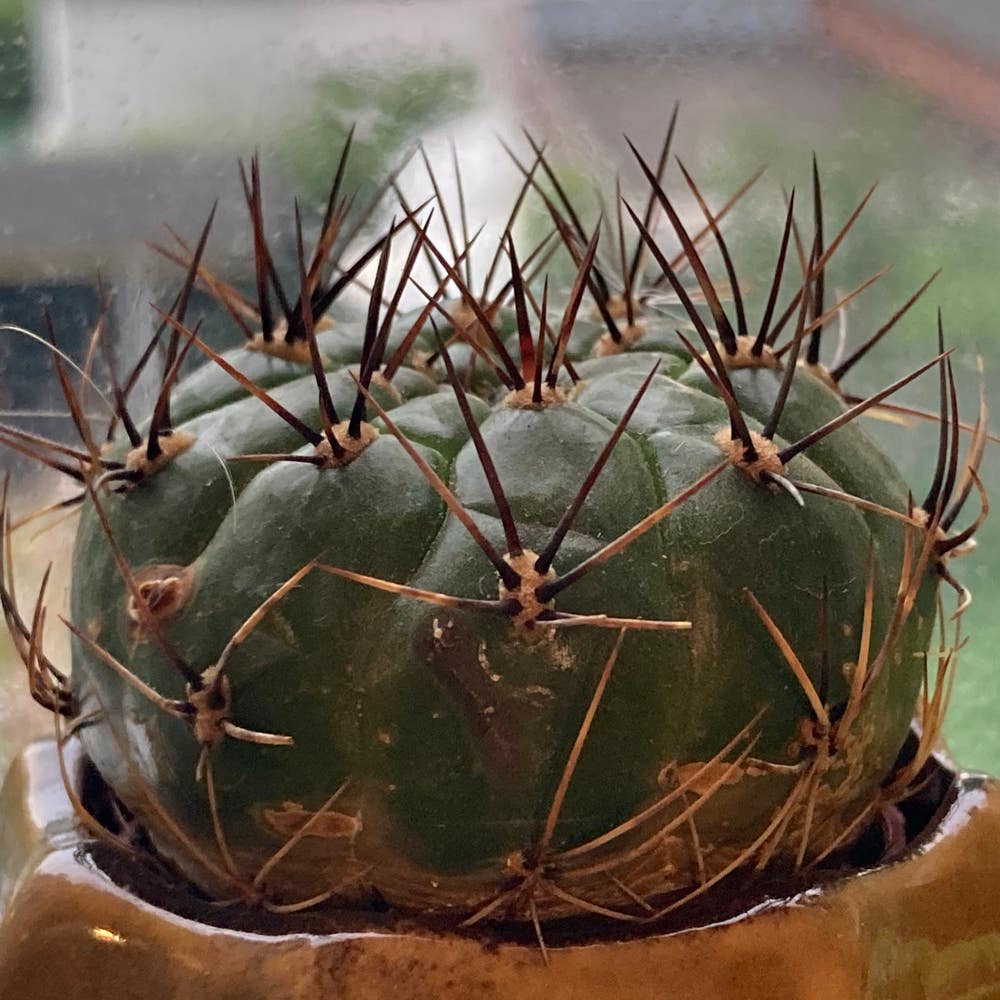
During the seedling stage, Matucana plants typically reach a height of 1 to 3 inches. They exhibit a cylindrical shape adorned with soft spines, showcasing a vibrant color range from light green to dark green, influenced by their light exposure.
⏳ Duration of the Seedling Stage
This stage lasts approximately 6 months to 1 year. You'll know your seedlings are ready to transition when they develop multiple spines and establish a robust root system.
🌞 Environmental Needs for Seedlings
To thrive, seedlings require light watering to maintain moisture without causing waterlogging. They thrive in bright, indirect light, and prefer warm conditions, ideally above 15°C (59°F), to support their growth.
As your seedlings flourish, they set the stage for the next exciting phase: the vegetative growth stage. This is where you'll witness their transformation into more robust plants, ready to take on the world.
Vegetative Growth Stage
🌱 Description of Vegetative Growth
During the vegetative growth stage, Matucana plants exhibit a slow and steady increase in both height and girth. This phase is characterized by the transition of spines from soft to more pronounced, giving the plant a distinct texture.
The focus during this stage is primarily on stem development, resulting in minimal leaf growth. This is a crucial time for the plant as it builds the foundation for future growth and flowering.
⏳ Duration of Vegetative Growth
The vegetative growth phase typically lasts between 2 to 5 years, influenced by environmental conditions. As the plant matures, you'll notice significant increases in both size and spine density, indicating it's on the right track.
⚙️ Factors Influencing Growth Rate
Several factors can impact the growth rate of Matucana during this stage.
- Soil Quality: A nutrient-rich, well-draining soil is essential for optimal growth.
- Watering Practices: Consistent but moderate watering helps prevent root rot while keeping the plant hydrated.
- Light Exposure: Providing full sun to partial shade ensures the plant receives adequate light for photosynthesis.
By paying attention to these factors, you can support your Matucana’s growth and set the stage for a healthy flowering phase ahead.
Flowering Stage
Timing of Flowering 🌸
Matucana cacti typically begin to flower between 3 to 5 years after germination. This flowering often aligns with the warmer months, peaking in late spring to early summer.
Characteristics of Flowers 🌼
The flowers of Matucana are a sight to behold. They are bright and tubular, showcasing vibrant colors that can captivate any onlooker.
- Size: These stunning blooms can reach up to 4 inches in diameter.
- Fragrance: Many of these flowers emit a sweet scent, which is a magnet for various pollinators.
Pollination and Reproductive Strategies 🐝
Pollination is crucial for the survival of Matucana species. Primarily, insects like bees play a significant role in this process.
- Pollination Methods: The structure of the flowers is specifically designed to attract these pollinators, ensuring effective reproduction.
- Importance of Pollination: Successful pollination leads to seed production, which is vital for the continuation of the species.
Understanding the flowering stage of Matucana not only highlights its beauty but also emphasizes the intricate relationships between plants and their pollinators. This connection is essential for the plant's reproductive success and longevity. As we transition to the next stage, we'll explore the fascinating process of seed production and maturation.
Seed Production and Maturation
🌱 Process of Seed Production
After pollination, Matucana plants begin forming seed pods. This process typically takes about 4-6 weeks, during which the seeds develop inside these pods.
The seeds themselves are small, black, and encased in a hard outer shell. This tough exterior helps protect them until conditions are right for germination.
⏳ Duration of the Reproductive Cycle
The entire reproductive cycle of Matucana spans approximately 1-2 years, from the moment flowers bloom to when seeds reach maturity.
Several factors can influence this timeline, including the availability of pollinators and environmental conditions like temperature and moisture.
🌳 Lifespan and Maturity Indicators
Matucana species can live for several decades, with some individuals reaching up to 50 years.
Indicators of maturity include the full development of spines, the ability to flower, and a robust overall size. Achieving maturity is crucial for successful reproduction and the longevity of the species.
Understanding these stages of seed production and maturation not only highlights the resilience of Matucana but also emphasizes the importance of nurturing these plants for future generations. Next, we will explore the fascinating flowering stage, where beauty and biology intertwine.
⚠️ Safety First
This content is for general information and may contain errors, omissions, or outdated details. It is not medical, veterinary advice, or an endorsement of therapeutic claims.
Always consult a qualified healthcare professional before using any plant as food, medicine, or supplement.
Never eat any plant (or feed one to pets) without confirming its identity with at least two trusted sources.
If you suspect poisoning, call Poison Control (800) 222-1222, the Pet Poison Helpline (800) 213-6680, or your local emergency service immediately.
Spotted an error? Please report it here.
Master the Matucana lifecycle 🌱 with Greg's tailored care tips and reminders, ensuring your cacti flourish from germination to stunning blooms!