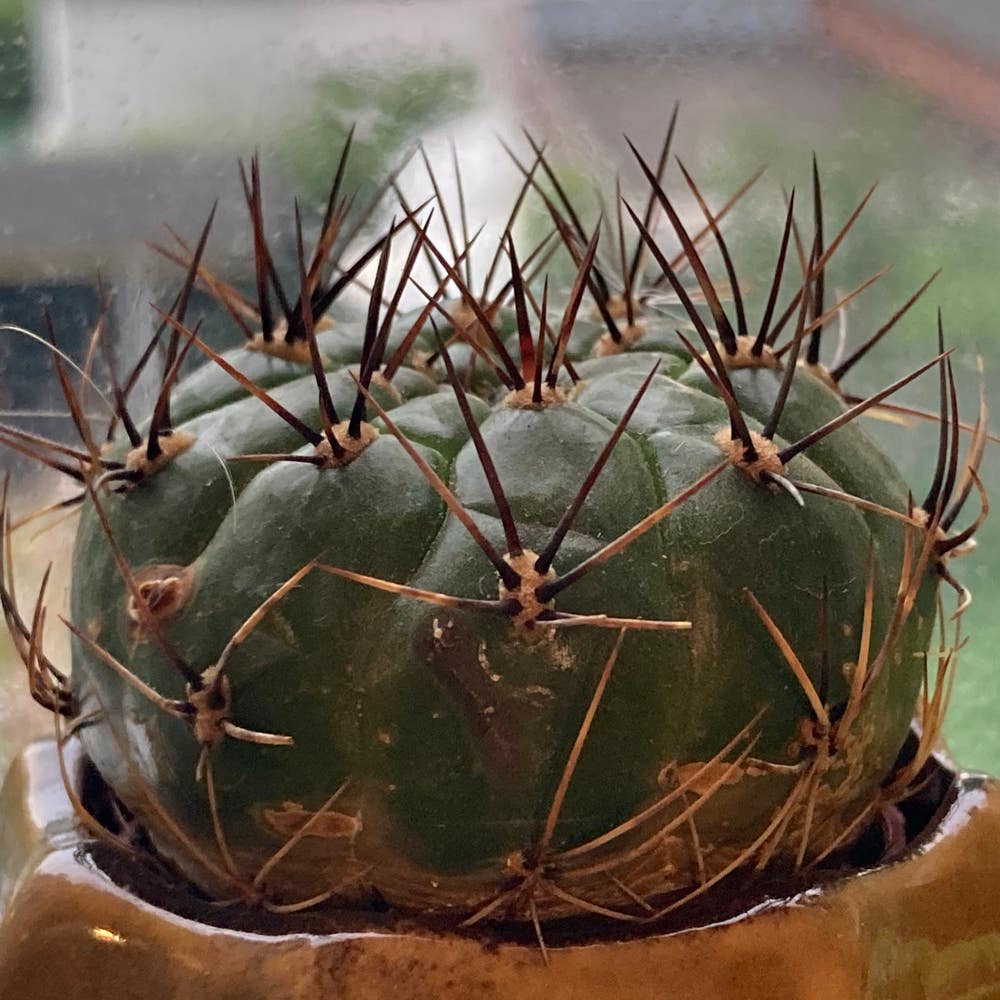
Best Ways to Protect Matucana from Frost ❄️
Matucana spp.
By the Greg Editorial Team
Nov 08, 2024•6 min read
This article was created with the help of AI so we can cover more plants for you. May contain errors. See one? Report it here.
- ❄️ Know your Matucana species for tailored frost protection strategies.
- 🌱 Apply mulch and create microclimates to insulate and protect during winter.
- 🏠 Monitor temperatures and bring indoors when needed for optimal winter care.
Winter Behavior of Matucana
❄️ How Matucana Responds to Cold Temperatures
Cold temperatures can significantly impact Matucana species, affecting their overall health and growth. Understanding the general cold hardiness levels among different species is essential for effective winter care.
Different Matucana species exhibit varying degrees of cold tolerance. Some can withstand light frosts, while others may suffer damage at temperatures just above freezing.
During winter dormancy, Matucana undergoes physiological changes to conserve energy. This process includes slowing down metabolic activities and reducing water uptake, which helps the plant survive harsh conditions.
Recognizing these changes is crucial for providing the right care during the colder months. By understanding how Matucana responds to cold, you can better prepare for winter and ensure your plants thrive come spring.
Next, we will explore effective frost protection strategies to safeguard your Matucana from winter's chill.
Frost Protection Strategies
Best Practices for Outdoor Frost Protection 🌨️
Timing is crucial when it comes to protecting your Matucana from frost. Implement frost protection measures before temperatures drop significantly, ideally a few days in advance of a predicted frost.
Using mulch is another effective strategy. A layer of organic mulch not only insulates the soil but also retains moisture, which is beneficial for your plants. Apply a 2-3 inch layer around the base of your Matucana to help shield the roots from extreme cold.
Creating microclimates can also enhance frost protection. Positioning your Matucana near walls or fences can provide warmth, as these structures absorb heat during the day and release it at night. Consider using pots or containers that can be moved to more sheltered spots during cold snaps.
Indoor Care Options During Winter ❄️
Knowing when to bring your Matucana indoors is essential. Watch for signs like dropping temperatures or wilting leaves, which indicate that your plant may need a warmer environment.
Once indoors, aim for ideal conditions: temperatures between 60-70°F, moderate humidity, and bright, indirect light. This will help your Matucana thrive during the winter months.
Container considerations are also important. Ensure your pots have proper drainage to prevent root rot, and allow for airflow around the plant to keep it healthy.
Use of Frost Cloths and Other Protective Materials 🧣
When it comes to frost protection materials, there are several options available. Frost cloths, blankets, and even plastic covers can provide varying levels of insulation for your Matucana.
To properly cover your plant, drape the material loosely over it, ensuring it reaches the ground. This creates a pocket of warm air around the plant, which is crucial for effective insulation.
Don't forget about ventilation! It's vital to prevent moisture buildup under covers, as this can lead to mold and rot. Remove coverings during the day when temperatures rise to allow for air circulation.
By implementing these frost protection strategies, you can help your Matucana survive the winter and emerge healthy in the spring. Next, we’ll explore adjustments in watering and fertilizing to support your plant during its dormant phase.
Watering and Fertilizing Adjustments
🌱 Adjusting Watering Schedules During Dormancy
During winter dormancy, it's crucial to adjust your watering schedule for Matucana. Aim to reduce watering to once a month or even less, as the plant's growth slows significantly in colder temperatures.
Watch for signs of overwatering, such as yellowing leaves or mushy stems. These indicators suggest that the roots are struggling, which can lead to rot if not addressed promptly.
Monitoring soil moisture is essential during this period. Use moisture meters or simply perform a finger test to ensure the soil is dry before watering again.
❄️ Fertilizing Practices for Winter Care
Knowing when to stop fertilizing is key to maintaining healthy Matucana during winter. Typically, you should halt fertilization as the plant enters dormancy, which helps prevent unnecessary stress.
Opt for low-nitrogen fertilizers when you do fertilize, as these are gentler on the plant during its rest period. This approach helps maintain nutrient balance without pushing the plant to grow when it should be conserving energy.
As spring approaches, gradually reintroduce fertilization. Start with a light feeding to help your Matucana transition back into its active growing phase, ensuring it has the nutrients it needs to thrive.
With these watering and fertilizing adjustments, your Matucana will be well-prepared to emerge from dormancy healthy and strong. Next, let’s explore how to recover from any potential winter damage.
Recovery from Winter Damage
❄️ Signs of Frost Damage in Matucana
After a harsh winter, your Matucana may show signs of frost damage. Look for visual indicators like discoloration, mushiness, and shriveling, which signal that your plant has suffered.
It's also crucial to check for internal damage. Gently inspect the stems and roots for rot or soft spots, as these can indicate deeper issues that need addressing.
🚨 Steps to Take if Frost Damage Occurs
If you notice frost damage, act quickly. Start by removing any damaged parts of the plant to prevent further decay and assess the extent of the damage.
Proper sanitation is essential during this process. Disinfect your tools and containers to avoid spreading any potential pathogens that could harm your Matucana.
🌱 How to Encourage Recovery in Spring
As spring approaches, help your Matucana recover by gradually reintroducing it to sunlight. This acclimatization process is vital to prevent shock from sudden exposure.
Adjust your watering and fertilizing routines post-dormancy. Reestablish normal care practices to support your plant's recovery and growth.
Lastly, keep an eye out for pests and diseases. Monitoring your Matucana during this recovery phase ensures it remains healthy and vibrant as it transitions into the growing season.
With these steps, your Matucana can bounce back and thrive once again.
Spring Preparation
🌱 Preparing Matucana for the Growing Season
As spring approaches, you'll notice signs that your Matucana is ready to wake up from its winter slumber. Look for new growth and vibrant color changes, which indicate that your plant is gearing up for the growing season.
Repotting is crucial during this time. If you see roots emerging from the drainage holes or if the plant seems root-bound, it’s time to give it a fresh start in a larger pot. Choose a well-draining soil mix to promote healthy growth.
🌞 Transitioning from Winter Care to Spring Care
With the arrival of spring, it's essential to adjust your Matucana's light exposure. Gradually increase the amount of sunlight it receives to help it acclimate without shock.
Now is also the time to resume your regular watering and fertilizing schedules. Start with a gentle watering routine and consider using a low-nitrogen fertilizer to support new growth. This will set your Matucana up for a thriving season ahead.
As you prepare for the growing season, keep an eye on your plant's needs. With the right care, your Matucana will flourish beautifully.
⚠️ Safety First
This content is for general information and may contain errors, omissions, or outdated details. It is not medical, veterinary advice, or an endorsement of therapeutic claims.
Always consult a qualified healthcare professional before using any plant as food, medicine, or supplement.
Never eat any plant (or feed one to pets) without confirming its identity with at least two trusted sources.
If you suspect poisoning, call Poison Control (800) 222-1222, the Pet Poison Helpline (800) 213-6680, or your local emergency service immediately.
Spotted an error? Please report it here.
Keep your Matucana frost-free ❄️ this winter with Greg's tailored care reminders and tips to ensure your plant thrives through the cold months!