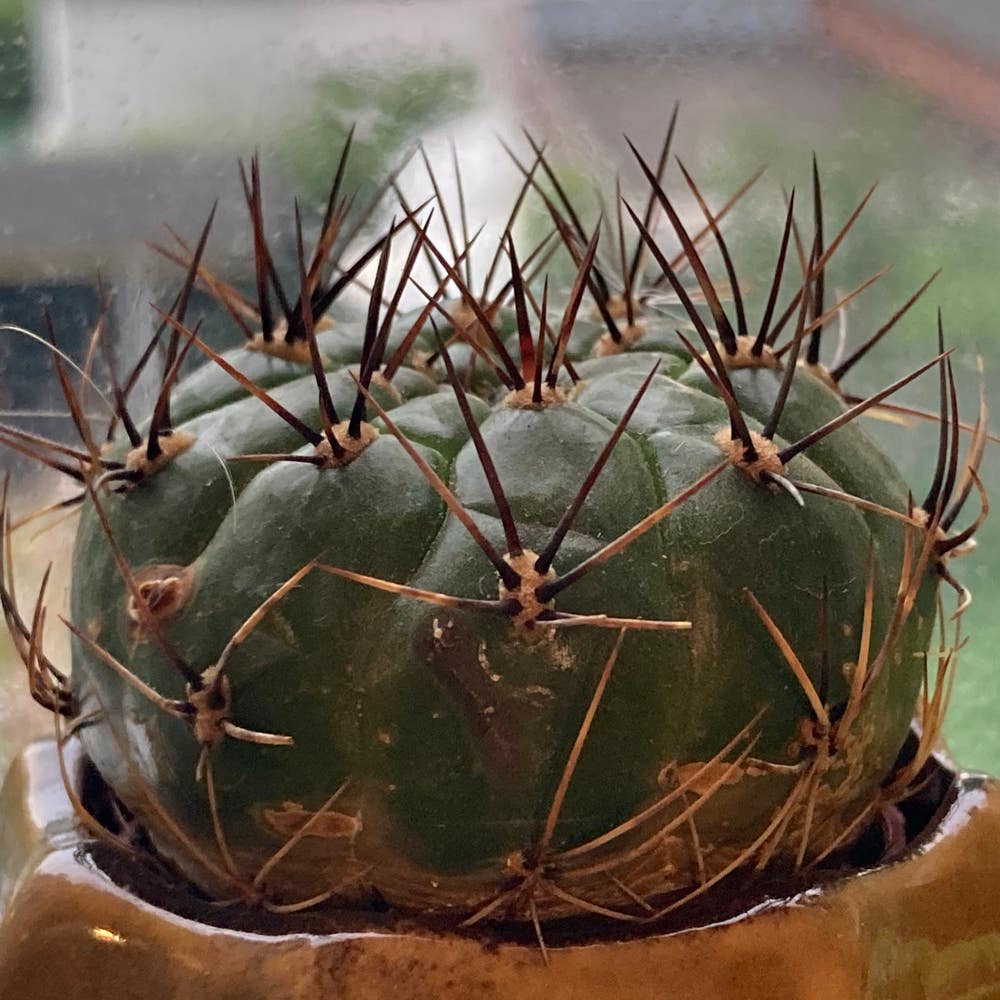
Matucana: Not an Invasive Plant
Matucana spp.
By the Greg Editorial Team
Nov 08, 2024•5 min read
This article was created with the help of AI so we can cover more plants for you. May contain errors. See one? Report it here.
- 🌱 Matucana is non-invasive, thriving slowly in well-drained, arid soils.
- 🌼 Attracts pollinators while enhancing garden aesthetics and supporting local ecosystems.
- 🌍 Promotes biodiversity and sustainable gardening with minimal water needs.
Plant Classification
Characteristics that Differentiate Matucana from Invasive Species 🌱
Matucana stands out in the plant world due to its notably slow growth rate. This characteristic limits its spread, making it a manageable choice for garden settings.
It thrives in well-drained soils and arid environments, which restricts its potential to invade other ecosystems. This adaptability to specific conditions means it won’t easily take over your garden or local landscape.
Additionally, Matucana does not produce large quantities of seeds or vegetative propagules. This lack of prolific reproduction helps prevent uncontrolled growth, ensuring it remains a delightful addition rather than a troublesome invader.
In summary, Matucana's unique traits make it a safe and attractive option for gardeners looking to enhance their spaces without the worry of invasiveness. As we explore its growth habits next, you'll see how these characteristics contribute to its overall appeal.
Growth Habits
🌱 Typical Growth Patterns of Matucana
Matucana showcases a striking cylindrical growth form, typically reaching heights of 12-24 inches (30-60 cm). Its slow growth rate means that most species take several years to mature, making it a patient gardener's delight.
In spring and summer, Matucana bursts into vibrant blooms that attract a variety of pollinators. These colorful flowers not only enhance the garden's aesthetic but also play a crucial role in supporting local ecosystems.
🚧 Natural Limits to Matucana's Growth and Spread Potential
Originating from the arid regions of Peru, Matucana thrives in conditions that naturally limit its growth. This native habitat ensures that it remains manageable and does not become invasive.
Matucana prefers well-drained, sandy soils with low nutrient content, which further restricts its spread. With minimal water needs, it is an excellent choice for xeriscaping and drought-tolerant gardens, allowing gardeners to create beautiful landscapes without excessive maintenance.
In summary, Matucana's unique growth habits and natural limitations make it a valuable addition to any garden. Its ability to thrive in challenging conditions while providing beauty and ecological benefits is truly remarkable. Next, we will explore the ecological role of Matucana and its benefits in gardens and ecosystems.
Ecological Role
Benefits of Matucana in Gardens and Ecosystems 🌼
Matucana plays a vital role in enhancing biodiversity by attracting pollinators like bees and butterflies. These vibrant visitors not only beautify your garden but also contribute to the overall health of the ecosystem.
In addition to attracting pollinators, Matucana provides essential habitat and food sources for local wildlife. This creates a thriving environment that supports various species, enriching the garden's ecological balance.
Positive Interactions with Local Wildlife and Other Plants 🦋
One of the remarkable aspects of Matucana is its ability to coexist peacefully with other drought-tolerant plants. This synergy fosters a harmonious garden environment where different species can thrive together.
The flowers of Matucana serve as a vital nectar source, supporting pollinator populations. This interaction promotes ecological balance, ensuring that both plants and wildlife benefit from each other's presence in the garden.
Incorporating Matucana into your garden not only enhances its beauty but also contributes positively to the local ecosystem. As we explore how to effectively manage Matucana in garden designs, consider the broader impact of these plants on the environment.
Garden Management
Effective Incorporation of Matucana into Garden Designs 🌵
Matucana thrives in specific garden settings, making it a fantastic choice for various designs. It excels in rock gardens, succulent gardens, and xeriscapes, where its unique cylindrical form can shine.
Companion planting is another effective strategy. Pairing Matucana with other non-invasive succulents and drought-tolerant species not only enhances visual appeal but also promotes a harmonious garden environment.
Considerations for Controlling Growth for Aesthetic Purposes ✂️
To keep your Matucana looking its best, regular pruning is essential. Remove spent flowers and dead growth to maintain a tidy appearance and encourage new blooms.
Spacing is equally important. Plant Matucana at least 12-18 inches (30-45 cm) apart to ensure adequate air circulation and prevent overcrowding, allowing each plant to thrive without competing for resources.
Incorporating Matucana into your garden can create a stunning, low-maintenance landscape. With thoughtful placement and care, you can enjoy its beauty while supporting local ecosystems.
Comparison to Other Plants
🌱 Comparison with Similar Non-Invasive Plants
Matucana stands out among non-invasive succulents like Echeveria and Agave due to its distinct growth habits. While Echeveria often forms rosettes and Agave can develop large, spiky leaves, Matucana features a unique cylindrical shape that adds a different visual element to gardens.
Care requirements also vary. Echeveria thrives in slightly more moisture, while Agave may need more space due to its larger size. In contrast, Matucana's low water needs and compact stature make it an ideal choice for gardeners looking for manageable options.
🌼 Unique Qualities of Matucana in a Garden Setting
One of Matucana's most appealing aspects is the variety of species and cultivars available. Each offers distinct flower colors and sizes, allowing for creative expression in garden design.
Its slow growth rate and manageable size make Matucana perfect for small gardens or container gardening. This adaptability means you can enjoy its beauty without worrying about it overtaking your space.
🌍 Legal and Environmental Considerations
When considering Matucana, it's essential to acknowledge its role in sustainable gardening practices. Its low water requirements not only make it eco-friendly but also reduce maintenance efforts.
Moreover, Matucana encourages biodiversity by attracting beneficial insects like bees and butterflies. This support for local wildlife enhances the overall health of your garden ecosystem, making it a win-win for both you and nature.
Incorporating Matucana into your garden not only beautifies your space but also contributes positively to the environment. As we explore further, let’s delve into effective garden management techniques to maximize Matucana's potential.
⚠️ Safety First
This content is for general information and may contain errors, omissions, or outdated details. It is not medical, veterinary advice, or an endorsement of therapeutic claims.
Always consult a qualified healthcare professional before using any plant as food, medicine, or supplement.
Never eat any plant (or feed one to pets) without confirming its identity with at least two trusted sources.
If you suspect poisoning, call Poison Control (800) 222-1222, the Pet Poison Helpline (800) 213-6680, or your local emergency service immediately.
Spotted an error? Please report it here.
Cultivate a stunning garden with Matucana's vibrant blooms 🌼 while Greg provides personalized care reminders to keep your non-invasive plants thriving effortlessly!