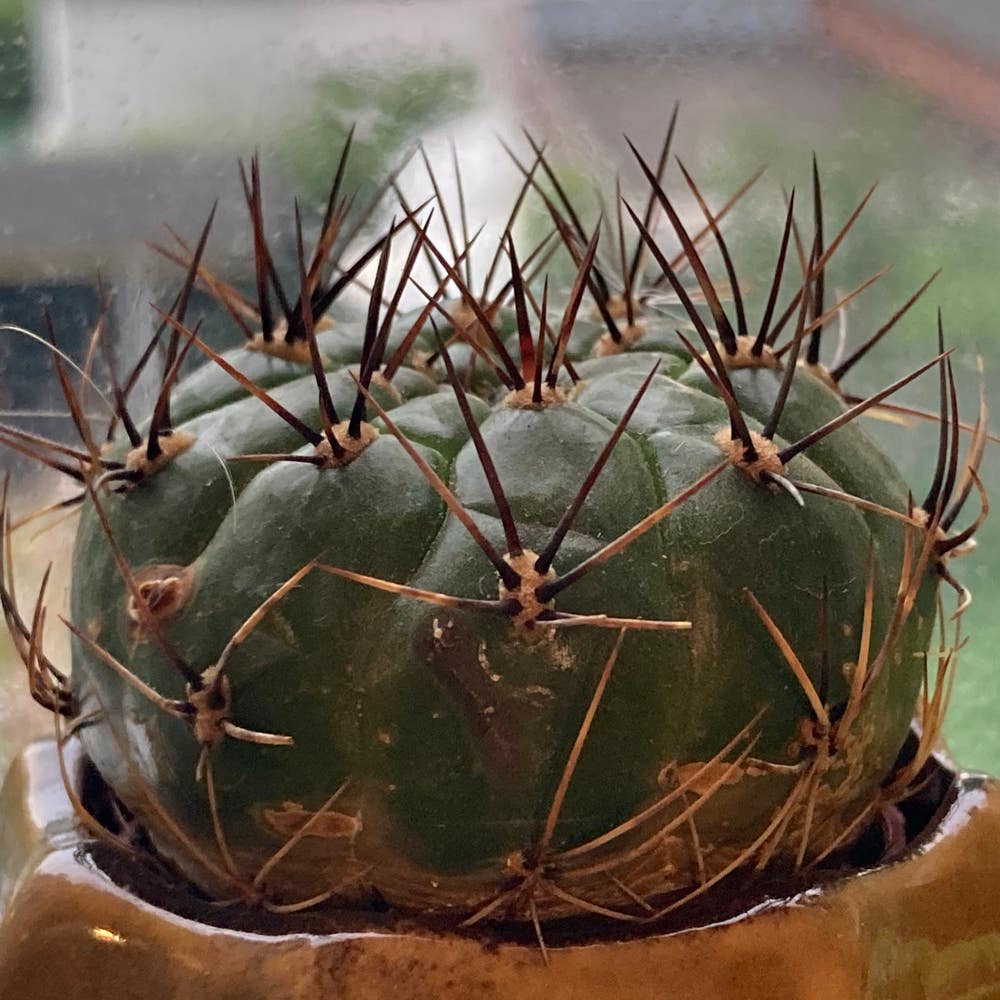
🌵 4 Tips for Healing Leaves Falling Over on Your Matucana
Matucana spp.
By the Greg Editorial Team
Nov 08, 2024•4 min read
This article was created with the help of AI so we can cover more plants for you. May contain errors. See one? Report it here.
- 🌱 Leaf droop in Matucana results from overwatering, underwatering, or pests.
- 💧 Adjust watering and repot in well-draining soil to revive drooping leaves.
- 🌞 Bright, indirect sunlight and humidity control are vital for healthy Matucana growth.
Causes of Leaf Droop
💧 Overwatering Symptoms and Solutions
Overwatering is a common issue that can lead to serious problems for your Matucana. Symptoms include leaf yellowing and droop, along with root rot, which presents as dark, mushy roots when you inspect them.
To remedy overwatering, allow the soil to dry out completely before watering again. If root rot is present, consider repotting your plant in well-draining soil and adjust your watering frequency based on environmental conditions.
🚰 Underwatering Symptoms and Solutions
Underwatering can also cause your Matucana's leaves to droop. Look for signs like shriveling or wrinkled leaves and soil pulling away from the pot edges.
To fix underwatering, water your plant thoroughly until moisture drains from the bottom. Establishing a consistent watering schedule will help prevent this issue from recurring.
🌡️ Environmental Stress Factors
Temperature and humidity play crucial roles in your Matucana's health. The ideal temperature range is between 20°C to 30°C (68°F to 86°F); any deviations can lead to leaf droop and discoloration.
Humidity is equally important, with an ideal level of around 30-50%. If humidity is low, increase it through misting or using humidity trays to keep your plant happy.
🐛 Pest Infestations and Their Impact
Pests can wreak havoc on your Matucana, with mealybugs and spider mites being the most common culprits. Signs of infestation include webbing and sticky residue on the leaves.
These pests can lead to leaf drop and overall plant decline. Control methods include using insecticidal soap or neem oil for treatment, and regularly inspecting your plants for early signs of infestation.
Understanding these causes of leaf droop is essential for maintaining a healthy Matucana. Next, let’s explore effective recovery techniques to revive those drooping leaves.
Recovery Techniques
Step-by-Step Guide to Reviving Drooping Leaves 🌱
Reviving drooping leaves on your Matucana starts with identifying the cause. Is it overwatering, underwatering, or something else?
Once you've assessed the situation, adjust your watering schedule accordingly. If the soil is too wet or too dry, your plant will struggle to thrive.
Next, consider repotting if necessary. Improving soil drainage can make a significant difference in recovery.
Ensure your Matucana receives optimal light conditions. Bright, indirect sunlight is usually best for these plants.
Finally, keep an eye out for pests. Regular monitoring and treatment can prevent further damage.
Fertilization Tips for Stressed Matucana 🌼
Fertilization plays a crucial role in helping your stressed Matucana bounce back. The best time to fertilize is during the growing season, which typically spans spring and summer.
Opt for a balanced cactus fertilizer, but remember to dilute it to half strength. This approach provides essential nutrients without overwhelming your plant.
Pruning Techniques for Damaged Leaves ✂️
Pruning is an essential step after addressing the cause of droop. Wait until you've identified the issue before cutting back any damaged leaves.
When you're ready to prune, use clean, sharp scissors. Cut at the base of the leaf to encourage new growth and help your Matucana regain its vigor.
With these recovery techniques, your Matucana can thrive again. Next, let’s explore long-term care strategies to keep your plant healthy and happy.
Long-term Care Strategies
Regular Maintenance Practices 🌱
To keep your Matucana thriving, perform monthly checks for pests and overall health. This proactive approach helps catch any issues early, ensuring your plant remains vibrant and strong.
Additionally, consider seasonal repotting every 2-3 years to refresh the soil. This practice not only provides fresh nutrients but also allows for better drainage, promoting healthy root growth.
Monitoring Environmental Conditions 🌡️
Monitoring your plant's environment is crucial for its long-term health. Use a hygrometer to measure humidity levels, ensuring they stay within the ideal range of 30-50%.
Keep track of temperature fluctuations as well. Adjust your care routine accordingly to maintain a stable environment, ideally between 20°C to 30°C (68°F to 86°F).
Signs to Watch for in Healthy vs. Unhealthy Plants 👀
Recognizing the signs of a healthy Matucana is key to effective care. Healthy plants exhibit firm leaves, vibrant colors, and no droop.
Conversely, watch for unhealthy signs such as yellowing, drooping, or a soft texture. Pest presence is another red flag that requires immediate attention to restore your plant's vitality.
By staying vigilant and attentive to these long-term care strategies, you can ensure your Matucana flourishes for years to come. Next, let’s explore effective recovery techniques to revive any drooping leaves.
⚠️ Safety First
This content is for general information and may contain errors, omissions, or outdated details. It is not medical, veterinary advice, or an endorsement of therapeutic claims.
Always consult a qualified healthcare professional before using any plant as food, medicine, or supplement.
Never eat any plant (or feed one to pets) without confirming its identity with at least two trusted sources.
If you suspect poisoning, call Poison Control (800) 222-1222, the Pet Poison Helpline (800) 213-6680, or your local emergency service immediately.
Spotted an error? Please report it here.
Revive your Matucana's drooping leaves with Greg's personalized care tips 🌱, ensuring tailored watering schedules and pest management for a thriving plant!