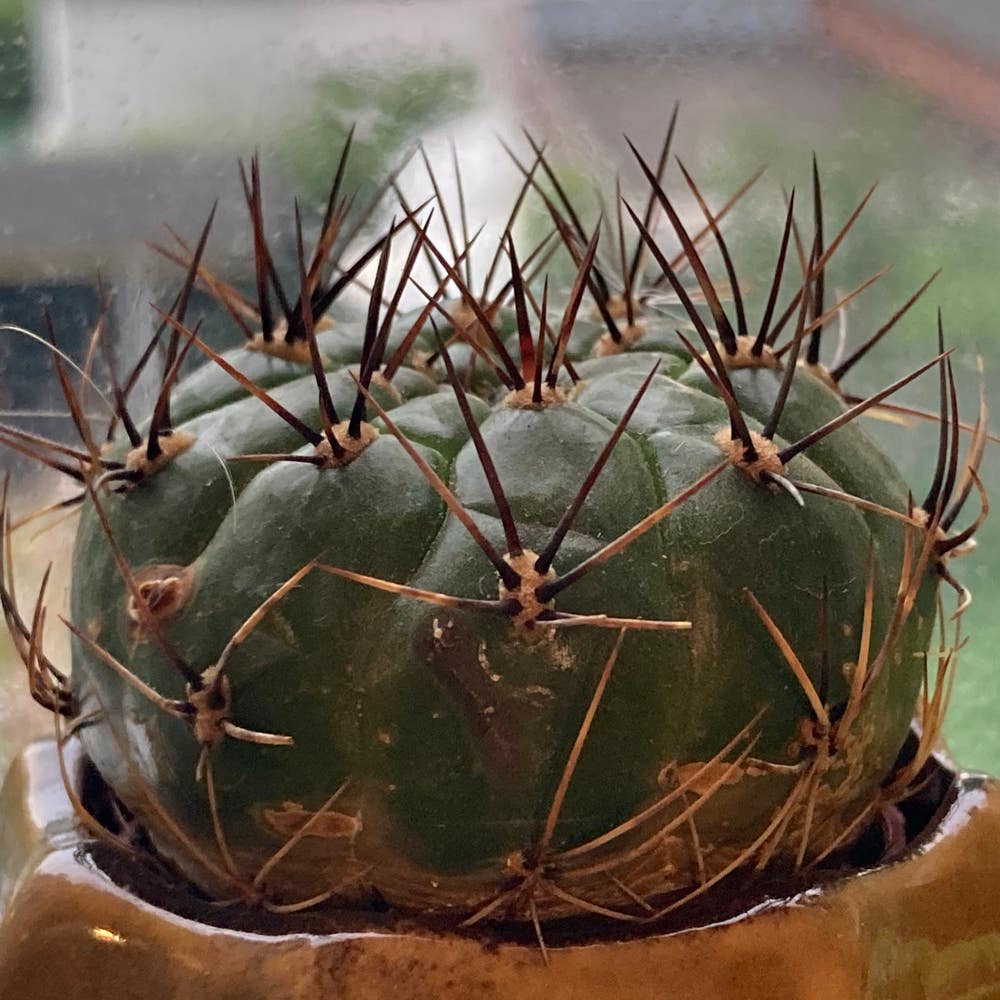
🌵 Matucana Is Not an Annual
Matucana spp.
By the Greg Editorial Team
Nov 08, 2024•6 min read
This article was created with the help of AI so we can cover more plants for you. May contain errors. See one? Report it here.
- 🌱 Matucana is a perennial, thriving for decades, unlike short-lived annuals.
- 🌼 Multiple blooms throughout the season ensure continuous seed production and garden interest.
- 🐝 Pollination by bees and butterflies is essential for Matucana's successful growth and reproduction.
Matucana's Perennial Nature
🌱 Genetic Characteristics
Matucana plants are designed for longevity. Their genetic makeup includes adaptations that enable them to thrive over many years, ensuring survival in challenging environments.
These plants exhibit remarkable resilience, allowing them to withstand various environmental stressors. Whether it's drought or extreme temperatures, Matucana can endure and flourish.
🌿 Physiological Traits Supporting Perennial Growth
One of the standout features of Matucana is its deep and extensive root system. This adaptation allows for efficient nutrient and water absorption, crucial for thriving in arid conditions.
Additionally, Matucana excels in photosynthesis, utilizing energy efficiently across multiple seasons. This capability supports sustained growth and vitality.
⏳ Long-Term Lifecycle
Some Matucana species can live for decades, showcasing their long-term lifecycle. This longevity is a testament to their robust genetic and physiological traits.
During adverse conditions, Matucana enters dormancy, a period of inactivity that helps them survive. This strategy is vital for enduring harsh climates.
🌵 Growth Patterns and Adaptations
Matucana displays unique growth forms that are perfectly adapted to arid environments. These structures not only enhance survival but also contribute to their distinctive appearance.
Seasonal behavior is another fascinating aspect of Matucana. The plants adjust their growth and flowering patterns based on climate, ensuring they make the most of available resources throughout the year.
Understanding these characteristics highlights why Matucana is not just a plant but a resilient survivor in the plant kingdom. As we explore further, we will compare its lifecycle with other plants to uncover more intriguing differences.
Lifecycle Comparison
Differences in Flowering and Seed Production 🌸
Matucana species exhibit a fascinating approach to flowering and seed production. Unlike annuals that bloom once and die, Matucana can produce multiple blooms throughout the growing season, showcasing their perennial nature.
This continuous flowering allows for a steady seed production cycle. While some plants may only set seeds at the end of their lifecycle, Matucana can produce seeds consistently, ensuring their survival and propagation over time.
Reproductive Strategies 🐝
Pollination plays a crucial role in the lifecycle of Matucana. These plants often rely on various pollinators, including bees and butterflies, to facilitate their reproductive process. The frequency of pollination can vary, with some species requiring multiple visits to achieve successful fertilization.
Seed dispersal is another key aspect of their reproductive strategy. Matucana employs various mechanisms to spread seeds, including wind and animal interaction. This adaptability helps ensure that their seeds find suitable environments for germination, further enhancing their resilience in diverse habitats.
Understanding these lifecycle comparisons not only highlights the unique characteristics of Matucana but also sets the stage for exploring the misconceptions surrounding their growth habits.
Misconceptions and Exceptions
🌱 Conditions Where Matucana May Be Mistaken for an Annual
Matucana can sometimes be misidentified as an annual due to environmental stressors. Drought or extreme temperatures may induce dormancy, leading to a temporary halt in growth and flowering.
This dormancy can confuse gardeners who expect constant blooms. When conditions are unfavorable, the lack of flowers can mislead observers into thinking the plant has died.
🌍 Regional Variations Affecting Classification
The climate plays a crucial role in how Matucana grows and thrives. Different regions can significantly influence its growth patterns, leading to variations in how the plant is perceived.
Adaptation is key; Matucana adjusts its growth based on local conditions. This variability can further complicate its classification as a perennial.
🤔 Common Misconceptions About Growth Habits
One prevalent misunderstanding is the confusion between dormancy and death. Many assume that a dormant Matucana is no longer alive, when in fact, it is simply conserving energy for future growth.
Additionally, there is a common perception of fragility surrounding Matucana. In reality, these plants are remarkably resilient, capable of withstanding harsh conditions when properly cared for.
Understanding these misconceptions can help gardeners appreciate the true nature of Matucana and its ability to thrive over time.
As we move forward, let’s explore how to effectively incorporate Matucana into garden design and planting strategies for maximum impact.
Garden Design and Planting Strategies
🌱 Advantages of Incorporating Matucana
Incorporating Matucana into your garden is a smart, long-term investment. These perennials not only provide sustained beauty but also thrive year after year, making them a reliable choice for any landscape.
Additionally, Matucana contributes significantly to biodiversity. By attracting various pollinators and supporting other wildlife, these plants enhance the overall health of your garden ecosystem.
🗺️ Planning for Matucana in Garden Design
When planning your garden, placement is key. Matucana prefers sunny spots with well-drained soil, so consider these factors when choosing their location.
To ensure year-round visual appeal, think about seasonal interest. Matucana's unique growth patterns and flowering cycles can add vibrant colors and textures throughout the year.
🌼 Companion Planting
Choosing suitable companions for Matucana can elevate your garden's success. Plants like succulents and drought-tolerant species thrive alongside Matucana, creating a harmonious environment.
Companion planting offers numerous benefits, including enhanced growth and natural pest management. By strategically pairing plants, you can create a thriving ecosystem that supports the health of all your garden inhabitants.
As you consider these strategies, remember that thoughtful garden design can lead to a flourishing space filled with life and beauty. Next, let’s explore how to manage and maintain your Matucana for longevity and health.
Management and Longevity
🌱 Tips for Maximizing Longevity
To ensure your Matucana thrives for years, focus on proper watering techniques. Avoid overwatering, as this can lead to root rot; instead, allow the soil to dry out between waterings.
Fertilization is equally important. Use a balanced fertilizer during the growing season to meet the plant's nutrient needs, but reduce feeding in the fall to prepare for dormancy.
🌼 Seasonal Care Considerations
In spring, prepare your Matucana for growth and flowering by removing any dead foliage and ensuring it receives adequate sunlight. This is the time to check for pests and address any issues early.
During summer, maintenance is key. Keep an eye on moisture levels and provide shade if temperatures soar, as Matucana can be sensitive to extreme heat.
As fall approaches, start preparing your plant for dormancy. Reduce watering and protect it from frost by covering it or moving it to a sheltered location.
🐞 Common Challenges and Solutions
Pests can be a concern for Matucana, so regularly inspect your plants for signs of infestation. Common pests include aphids and spider mites; treat them promptly with insecticidal soap or neem oil.
Environmental stress, such as drought or extreme temperatures, can also affect your plant's health. Implement strategies like mulching to retain soil moisture and provide shade during heatwaves to mitigate these challenges.
By following these management tips, you can enjoy the beauty of Matucana for many seasons to come. Next, let's explore how to incorporate Matucana into your garden design effectively.
⚠️ Safety First
This content is for general information and may contain errors, omissions, or outdated details. It is not medical, veterinary advice, or an endorsement of therapeutic claims.
Always consult a qualified healthcare professional before using any plant as food, medicine, or supplement.
Never eat any plant (or feed one to pets) without confirming its identity with at least two trusted sources.
If you suspect poisoning, call Poison Control (800) 222-1222, the Pet Poison Helpline (800) 213-6680, or your local emergency service immediately.
Spotted an error? Please report it here.
Unlock the full potential of your Matucana 🌼 with Greg's tailored care reminders, ensuring these resilient perennials flourish and bloom beautifully for years to come!