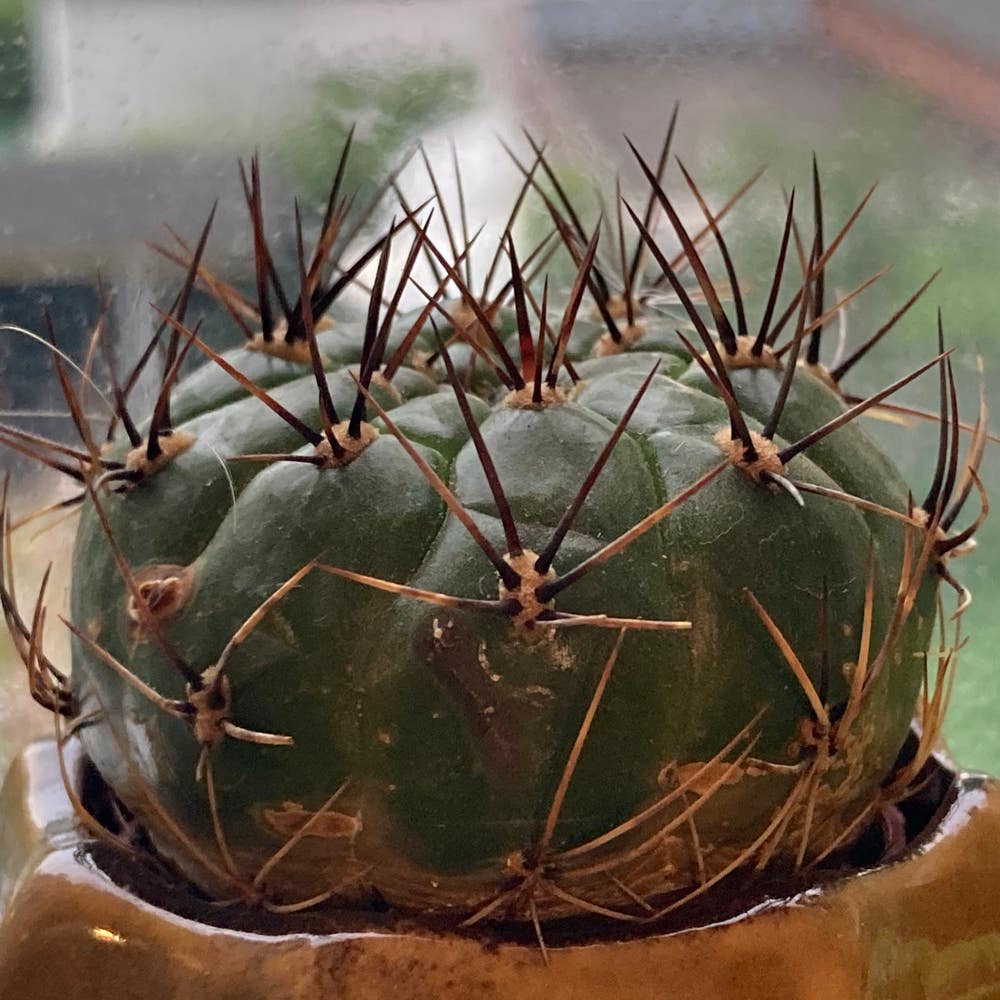
🌵 When and Where to Cut Back Your Matucana
Matucana spp.
By the Greg Editorial Team
Nov 08, 2024•4 min read
This article was created with the help of AI so we can cover more plants for you. May contain errors. See one? Report it here.
- 🌱 Prune Matucana in late winter to early spring for optimal growth.
- ✂️ Signs to prune include overcrowding and dead stems; assess before cutting.
- 🌼 Proper techniques enhance blooming and plant health; avoid over-pruning mistakes.
When to Prune
🌱 Best Seasons for Pruning
Timing is everything when it comes to pruning your Matucana. The ideal window is late winter to early spring, just before new growth kicks in. This is when the plant is still dormant, making it easier to manage without stressing it.
After the flowering season wraps up in late summer, you have a secondary opportunity to prune. This helps maintain the plant's shape and encourages healthy growth for the next cycle.
⏰ Signs That Indicate It's Time to Prune
Knowing when to prune is just as important as how to do it. Look for signs of overcrowded growth, where stems are touching or overlapping. This can lead to poor air circulation and increase the risk of disease.
Dead or damaged stems are another clear indicator. If you spot signs of rot or discoloration, it's time to take action. Additionally, if you notice a reduced flowering output compared to previous seasons, your Matucana may need a good trim to rejuvenate its blooming potential.
By keeping an eye on these signs, you can ensure your Matucana remains healthy and vibrant. Now that you know when to prune, let’s dive into how to do it effectively.
How to Prune
Step-by-Step Instructions 🌱
Assess the plant: Start by examining your Matucana. Look for areas that need attention, such as overcrowded stems or any dead sections.
Prepare tools: Before you dive in, make sure your tools are ready. Clean and sharpen your pruning shears or scissors to ensure smooth cuts.
Make cuts: When you're ready to prune, focus on making clean cuts. This helps avoid tearing and promotes better healing.
Remove dead or damaged stems: Cut back any dead or damaged stems to healthy tissue. This encourages new growth and keeps your plant thriving.
Shape the plant: Finally, trim the outer stems to maintain the desired shape. A well-shaped plant not only looks good but also grows healthier.
Tools Needed 🛠️
- Sharp pruning shears or scissors: Essential for precise cuts.
- Long-handled loppers: Useful for tackling larger stems that need pruning.
- Gloves: Protect your hands from spines while you work.
Techniques for Cutting Back and Shaping ✂️
Angle cuts: Make angled cutplant health healing and minimize water retention. This technique helps your plant recover faster.
Avoid cutting too much at once: Limit your pruning to about one-third of the plant. This prevents shock and keeps your Matucana hstress.
By following these steps and using the right tools, you can effectively prune your Matucana, ensuring it remains vibrant and well-shaped. Next, let’s explore where to cut back for optimal results.
Where to Cut Back
🌿 Identifying the Right Areas
When pruning your Matucana, start by focusing on dead or damaged stems. Cut these back to healthy tissue to encourage new growth and maintain the plant'vibrantity.
Next, consider shaping the plant. Trim the outer stems to promote inward growth, whideadheadingeate a fulMatucanae balanced appearance.
✂️ How to Avoid Damaging the Plant
Be careful not to cut into the main stem. Preserving the integrity of the main structure is crucial for the overall health of your Matucana.
Additionally, exercise caution around the spines. They can be sharp and may cause injury to both you and the plant if not handled properly.
With these tips in mind, you'll be well-equipped to prune effectively and keep your Matucana thriving. Next, let’s explore the importance of deadheading to enhance blooming and overall plant health.
Common Pruning Mistakes
Mistakes to Avoid 🌪️
Pruning can be a delicate task, and common mistakes can hinder your Matucana's growth. One major error is over-pruning, where you remove too much foliage at once, stressing the plant and stunting its development.
Another pitfall is ignoring plant health. Pruning unhealthy stems without addressing the underlying issues can lead to further decline. Always assess the overall condition of your plant before making cuts.
How to Correct Errors 🔧
If you notice signs of stress after pruning, it’s essential to assess the plant's response. Look for wilting leaves or stunted growth, which indicate that your plant may need extra care.
To improve your pruning techniques in the future, adjust your approach based on what you observe. Learning from mistakes is key to nurturing a healthy, thriving Matucana.
By being mindful of these common pitfalls, you can ensure your plant remains vibrant and flourishing. Now that you’re aware of what to avoid, let’s dive into the benefits of deadheading for your Matucana.
⚠️ Safety First
This content is for general information and may contain errors, omissions, or outdated details. It is not medical, veterinary advice, or an endorsement of therapeutic claims.
Always consult a qualified healthcare professional before using any plant as food, medicine, or supplement.
Never eat any plant (or feed one to pets) without confirming its identity with at least two trusted sources.
If you suspect poisoning, call Poison Control (800) 222-1222, the Pet Poison Helpline (800) 213-6680, or your local emergency service immediately.
Spotted an error? Please report it here.
Prune your Matucana like a pro for blooming success 🌼 with Greg's tailored care tips and reminders that keep your cactus thriving all year round!