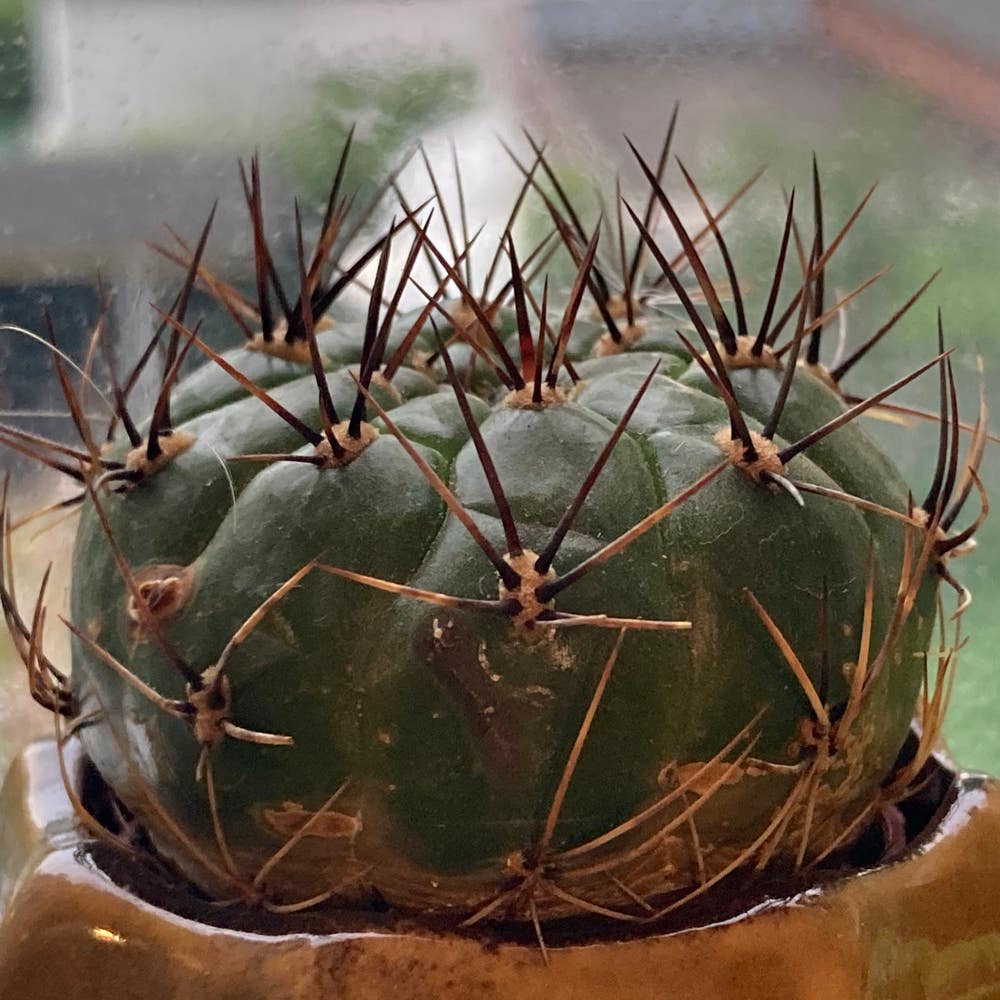
🌵 How to Fix Yellow Leaves on Your Matucana
Matucana spp.
By the Greg Editorial Team
Nov 08, 2024•7 min read
This article was created with the help of AI so we can cover more plants for you. May contain errors. See one? Report it here.
- 🌱 Yellow leaves indicate issues like overwatering, underwatering, or nutrient deficiencies.
- 💧 Ensure proper watering and drainage to prevent root rot and yellowing.
- 🌞 Provide 6-8 hours of sunlight daily for optimal Matucana health.
Causes of Yellow Leaves
💧 Overwatering and Its Effects
Overwatering is a common culprit behind yellow leaves on your Matucana. Symptoms include yellowing leaves, mushy stems, and the risk of root rot.
The primary cause is excessive moisture in the soil, which leads to poor drainage. To prevent this, ensure your pots have drainage holes and use well-draining soil.
🚰 Underwatering and Dehydration
On the flip side, underwatering can also lead to yellowing leaves. Symptoms include yellowing, shriveling, and dry soil.
This issue typically arises from infrequent watering or prolonged dry periods. Establishing a consistent watering schedule based on the season can help prevent dehydration.
🌱 Nutrient Deficiencies
Nitrogen Deficiency
A nitrogen deficiency manifests as general yellowing of older leaves. To remedy this, use a balanced cactus fertilizer with nitrogen during the growing season.
Iron Deficiency
Iron deficiency presents as yellowing between leaf veins, known as interveinal chlorosis. Applying iron chelate or a fertilizer high in iron can effectively address this issue.
🐛 Pest Infestations
Common Pests
Pests can wreak havoc on your Matucana, leading to yellow leaves. Common offenders include mealybugs, which appear as white, cotton-like masses on stems and leaves, and spider mites, which leave fine webbing and stippled leaves.
Control methods include using insecticidal soap or neem oil for treatment. Regular inspections can help catch these pests early.
🌡️ Environmental Stress
Temperature Fluctuations
Sudden yellowing can occur due to extreme temperature changes. To maintain plant health, keep temperatures stable between 20°C to 30°C (68°F to 86°F).
Humidity
High humidity levels can also cause yellowing. Since Matucana prefers arid conditions, keeping humidity low is essential for its well-being.
Understanding these causes is crucial for maintaining the health of your Matucana. By addressing these issues, you can help your plant thrive and prevent further yellowing.
Diagnosing Yellow Leaves
🕵️♂️ Identifying Symptoms
To effectively diagnose yellow leaves on your Matucana, start by observing the color changes. Is the yellowing gradual or sudden?
Look for additional symptoms like wilting, drooping, or spots that could indicate underlying issues.
💧 Assessing Soil Moisture Levels
Next, assess the soil moisture levels. A simple method is to insert your finger 1-2 inches into the soil.
If the soil feels dry, your plant may be underwatered; if it’s wet, overwatering could be the culprit.
🐛 Checking for Pests and Diseases
Conduct a visual inspection for pests, particularly on the undersides of leaves and stems.
Be on the lookout for signs of disease, such as fungal growth or unusual spots that could signal trouble.
☀️ Evaluating Light Exposure
Finally, evaluate the light exposure your Matucana receives. Ideally, it should bask in full sun for 6-8 hours daily.
If you notice your plant stretching or leaning towards light sources, it may not be getting enough sunlight.
By carefully diagnosing these factors, you can pinpoint the cause of yellow leaves and take appropriate action to restore your Matucana's health. Next, let’s explore effective solutions to address these yellowing leaves.
Solutions for Yellow Leaves
🌊 Adjusting Watering Practices
To revive your Matucana, start by determining the correct watering frequency. Aim to water every 2-3 weeks during the growing season.
Next, water thoroughly to ensure that moisture reaches the roots and drains out of the pot. Always allow the soil to dry out between waterings to prevent overwatering.
🌱 Fertilizing with Appropriate Nutrients
Fertilizing is crucial for healthy growth. Schedule to fertilize every 4-6 weeks during the growing season.
Opt for a cactus-specific fertilizer that has balanced NPK ratios. This will provide the essential nutrients your plant needs to thrive.
🪴 Improving Soil Drainage
Soil drainage is vital for preventing yellow leaves. Use a mix of potting soil, sand, and perlite to create an ideal growing medium.
Additionally, ensure that your pots have adequate drainage holes. This will help excess water escape and keep the roots healthy.
🐛 Treating Pest Infestations
Pests can be a hidden culprit behind yellowing leaves. Start by identifying the type of pest affecting your plant.
Once identified, apply treatment using insecticidal soap or neem oil as directed. After treatment, monitor your plant regularly for signs of re-infestation.
🌤️ Modifying Environmental Conditions
Environmental factors play a significant role in plant health. If your Matucana isn’t thriving, consider moving it to a brighter location.
Also, avoid placing your plant near drafts or heat sources. Maintaining stable temperatures will help your Matucana flourish.
By implementing these solutions, you can effectively address yellow leaves and promote a healthier, more vibrant Matucana. Next, let’s explore how to prevent yellow leaves from occurring in the first place.
Preventing Yellow Leaves
🌊 Best Practices for Watering
To keep your Matucana thriving, water only when the top inch of soil feels dry. This simple practice helps prevent overwatering, which is a common cause of yellow leaves.
Adjust your watering frequency based on seasonal changes. In warmer months, your cactus may need more frequent watering, while in winter, it will require much less.
🌱 Choosing the Right Soil Mix
Using the right soil mix is crucial for drainage and overall plant health. A recommended blend is 50% potting soil, 25% sand, and 25% perlite.
This combination ensures that excess moisture drains away, preventing root rot and yellowing leaves.
🔍 Regular Pest Inspections
Pest infestations can sneak up on you, so regular inspections are key. Aim to check your Matucana every 2-4 weeks for early signs of pests.
Utilize a magnifying glass for detailed inspections, as some pests can be quite small and easily overlooked.
🌦️ Seasonal Care Adjustments
Adjusting your care routine with the seasons can make a significant difference. In winter, reduce watering frequency and avoid fertilizing altogether.
Conversely, during summer, increase both watering and fertilizing as your cactus enters its active growth phase.
☀️ Proper Placement for Optimal Sunlight
Placement is everything when it comes to sunlight. Position your Matucana in a south-facing window or an outdoor area that receives full sun exposure.
This ensures your cactus gets the 6-8 hours of sunlight it craves, promoting healthy growth and vibrant green leaves.
By following these preventive measures, you can help your Matucana stay healthy and vibrant, reducing the risk of yellow leaves. Next, let’s explore how to monitor recovery after treatment for any existing issues.
Aftercare for Affected Matucana
Monitoring Recovery After Treatment 🌱
After treating your Matucana, it's essential to monitor its recovery closely. Look for signs of new growth, such as fresh leaves or flowers, which indicate that your plant is bouncing back.
Additionally, keep an eye on the color of the leaves. They should gradually transition from yellow back to a healthy green, signaling that your care is paying off.
Signs of Improvement to Look For 🌟
As your Matucana recovers, check the firmness of the leaves. Healthy leaves will feel plump and firm to the touch, a clear sign that the plant is regaining its vitality.
You should also notice a decrease in yellowing over time. This restoration of color is a positive indicator that your plant is on the mend.
Long-Term Care Strategies 🛠️
To ensure your Matucana thrives long-term, maintain consistent watering and fertilizing schedules. Regular care will help prevent future issues and promote robust growth.
It's also crucial to regularly assess the environmental conditions. Adjust factors like light and temperature as needed to create the best possible habitat for your plant.
By following these aftercare steps, you can help your Matucana flourish and enjoy its vibrant beauty for years to come. Next, we’ll explore effective strategies for preventing yellow leaves in the first place.
⚠️ Safety First
This content is for general information and may contain errors, omissions, or outdated details. It is not medical, veterinary advice, or an endorsement of therapeutic claims.
Always consult a qualified healthcare professional before using any plant as food, medicine, or supplement.
Never eat any plant (or feed one to pets) without confirming its identity with at least two trusted sources.
If you suspect poisoning, call Poison Control (800) 222-1222, the Pet Poison Helpline (800) 213-6680, or your local emergency service immediately.
Spotted an error? Please report it here.
Revive your Matucana's vibrant green leaves 🌱 by using Greg's tailored watering reminders and expert care tips to tackle yellowing issues effectively!