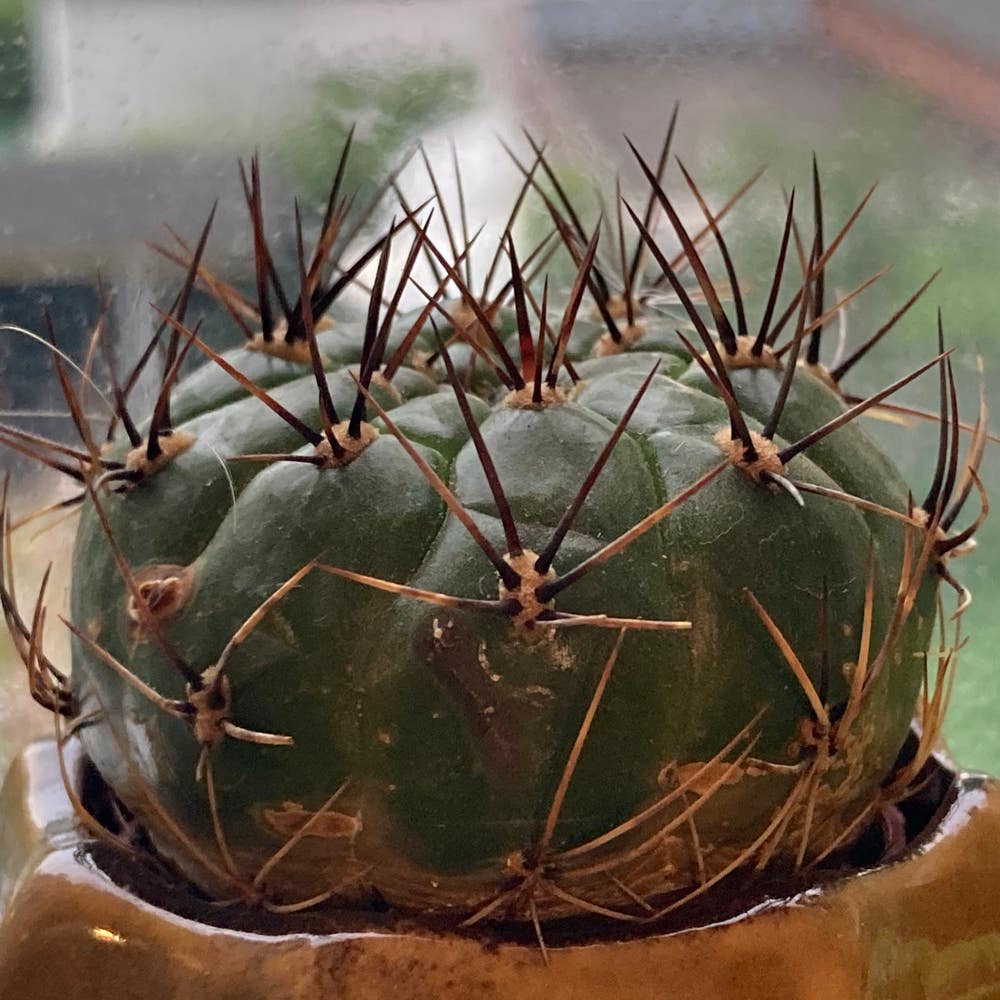
🌵 How to Cure Root Rot in Your Matucana
Matucana spp.
By the Greg Editorial Team
Nov 08, 2024•5 min read
This article was created with the help of AI so we can cover more plants for you. May contain errors. See one? Report it here.
- 🌵 Identify root rot by yellowing stems and foul odors from the root zone.
- ✂️ Trim affected roots and repot in well-draining soil for effective recovery.
- 💧 Adjust watering frequency seasonally to prevent root rot recurrence.
Identifying Root Rot Symptoms
Visual Signs 🌱
Root rot can be a silent killer for your Matucana, so keep an eye out for key visual signs. If you notice yellowing or wilting stems, it’s a clear indication of root distress.
Soft, mushy roots are another red flag, as they signal decay. Additionally, a foul odor emanating from the root zone often points to rot and decay, making it crucial to act quickly.
How to Check for Root Rot 🔍
To confirm root rot, follow these simple steps:
- Carefully remove the cactus from its pot.
- Inspect the root system for any discoloration or unusual texture.
- Look for signs of fungal growth or blackened roots.
- Assess the soil condition to check moisture levels.
This straightforward process will help you determine if your cactus is suffering from root rot.
Distinguishing from Other Issues 🕵️♂️
It’s essential to differentiate root rot from other potential problems. Overwatering can cause similar symptoms, but a thorough root inspection will reveal the truth.
Pests can also mimic root decay, so be vigilant in identifying pest damage versus actual rot. Lastly, nutrient deficiencies can affect leaf and stem health, but they typically present differently than root rot. Understanding these distinctions is vital for effective treatment.
Treating Root Rot
Step-by-Step Guide 🌱
Treating root rot in your Matucana cactus requires careful attention. Start by removing the cactus from its pot and inspecting the roots for any signs of decay.
Next, trim away all affected roots using sterilized scissors. This step is crucial to prevent the spread of rot.
Allow the cactus to dry for 24-48 hours. This drying period helps to minimize the risk of further rot before repotting.
Finally, repot your cactus in fresh, well-draining soil. This new environment will support healthy growth and recovery.
Recommended Treatments 💊
Using fungicides can be an effective way to combat root rot. Apply these treatments according to the manufacturer's instructions for the best results.
When repotting, always use clean pots and fresh soil. This practice helps eliminate any lingering pathogens that could harm your cactus.
How to Properly Prune Affected Roots ✂️
Identifying healthy versus rotten roots is essential for effective treatment. Healthy roots are firm and white, while rotten roots appear brown and mushy.
Use clean cutting techniques to ensure you make precise cuts. This minimizes damage and helps prevent further infection.
Remember to sterilize your tools before and after use. This simple step can make a big difference in preventing the spread of disease.
With these steps, you can effectively treat root rot and help your Matucana thrive again. Next, let’s explore how to prevent root rot from occurring in the future.
Preventing Root Rot
🌱 Best Soil Types
To keep your Matucana thriving, start with the right soil mix. A well-draining cactus mix, often combined with perlite, is ideal for preventing root rot.
Soil pH is another crucial factor. Aim for a pH range of 6.0 to 7.0 to ensure your cactus gets the nutrients it needs without the risk of decay.
💧 Watering Techniques
Watering frequency can vary based on the season and environmental conditions. During the growing season, water your cactus every 2-3 weeks, but reduce this in the winter months.
Always check soil moisture before watering. Stick your finger about an inch into the soil; if it feels dry, it’s time to water.
🪴 Importance of Pot Drainage and Aeration
Choosing pots with drainage holes is essential for root health. These holes allow excess water to escape, preventing soggy soil that can lead to rot.
Incorporate aeration techniques by using materials like coarse sand or pumice. These promote airflow in the soil, helping roots breathe and stay healthy.
By following these preventive measures, you can significantly reduce the risk of root rot in your Matucana. Next, let’s explore how to care for your cactus after treatment to ensure a full recovery.
Post-Treatment Care
How to Care After Treatment 🌱
After treating root rot, it's crucial to adjust your care routine. Start by reducing watering to allow the cactus to recover without the risk of further rot.
Monitor light exposure as well; too much direct sunlight can stress your plant during recovery. A stable environment is key, so keep temperature and humidity consistent to help your Matucana thrive.
Signs of Recovery and Ongoing Monitoring 👀
Watch for signs that your cactus is bouncing back. New growth and firm roots are excellent indicators of health restoration.
Regular checks are essential. Inspect your plant weekly to ensure it continues to thrive and doesn't show any signs of distress.
Adjusting Care Practices to Prevent Recurrence 🔄
To prevent root rot from returning, establish long-term watering strategies. Tailor your routine based on seasonal changes, watering less in winter and more during the growing season.
Soil maintenance is also vital. Periodically check the soil condition and amend it as needed to ensure optimal drainage and health for your cactus.
By following these steps, you can help your Matucana flourish and enjoy its beauty for years to come.
⚠️ Safety First
This content is for general information and may contain errors, omissions, or outdated details. It is not medical, veterinary advice, or an endorsement of therapeutic claims.
Always consult a qualified healthcare professional before using any plant as food, medicine, or supplement.
Never eat any plant (or feed one to pets) without confirming its identity with at least two trusted sources.
If you suspect poisoning, call Poison Control (800) 222-1222, the Pet Poison Helpline (800) 213-6680, or your local emergency service immediately.
Spotted an error? Please report it here.
Revive your Matucana from root rot and ensure its long-term health 🌵 with Greg's tailored watering reminders and expert soil tips to keep your cactus thriving!