The Meaning of Matucana Flowers
Matucana spp.
By the Greg Editorial Team
Nov 08, 2024•6 min read
This article was created with the help of AI so we can cover more plants for you. May contain errors. See one? Report it here.
- 🌸 Matucana flowers bloom in vibrant colors, enhancing garden beauty with stunning displays.
- 🌱 Not all Matucana varieties flower; conditions and genetics affect blooming success.
- 🌞 Proper care promotes blooming—focus on light, temperature, and watering for best results.
Flowering Status of Matucana
Clarification on Flower Production 🌸
Many Matucana species are indeed prolific bloomers, showcasing vibrant flowers that add beauty to any garden. These species thrive under the right conditions, producing stunning blooms that attract attention.
However, not all Matucana varieties flower. Non-flowering species may be hindered by environmental factors such as inadequate light or extreme temperatures. Additionally, specific genetic traits can play a significant role in a plant's ability to produce flowers.
Understanding these dynamics is crucial for any plant enthusiast looking to cultivate Matucana successfully. By recognizing the conditions that promote flowering, you can create an environment where these unique plants can thrive and showcase their beauty.
As we delve deeper into the characteristics of Matucana flowers, we’ll explore their stunning features and the fascinating processes behind their blooming.
If Matucana Flowers
🌸 Flower Characteristics
Description of Colors and Structure
Matucana flowers are known for their striking funnel-shaped blooms. These vibrant flowers typically showcase a range of colors, including pink, yellow, and white, adding a splash of beauty to any garden.
The size of Matucana flowers can vary, but they generally fall within a typical range that complements the plant's overall appearance. Flowers are often arranged in clusters, creating a stunning visual display that attracts attention.
Self-Pollination vs. External Pollination
When it comes to pollination, Matucana species exhibit interesting traits. Some species are capable of self-pollination, while others rely on external pollinators to facilitate reproduction.
Pollination mechanisms in Matucana can involve various insects, which play a crucial role in transferring pollen from one flower to another. This process is vital for ensuring the continuation of the species.
🌼 Blooming Process
Stages of Blooming and Typical Bloom Time
The blooming process of Matucana unfolds in distinct stages. It begins with bud formation, followed by the opening of the buds, and culminates in full bloom.
Typically, Matucana flowers bloom during specific seasons, with peak blooming periods varying by species. Understanding these patterns can help gardeners anticipate when to expect these beautiful blooms.
Duration from Bud Formation to Full Bloom
From bud formation to full bloom, the duration can vary. On average, it takes several weeks for buds to develop fully.
Environmental factors, such as temperature and light exposure, significantly influence this timing. Optimal conditions can speed up the blooming process.
Lifespan of Flowers
Once opened, Matucana flowers have a typical lifespan that can last several days to a couple of weeks. This longevity allows for extended enjoyment of their beauty.
However, various factors can influence how long the flowers last, including environmental conditions and the care practices employed by the gardener.
🌱 Encouraging Blooms
Tips for Encouraging Matucana to Bloom
To encourage Matucana to bloom, it's essential to create optimal growing conditions. This includes providing adequate light, maintaining suitable temperatures, and following proper watering practices.
Fertilization also plays a key role. Using recommended fertilizers and applying them at the right frequency can significantly enhance blooming potential.
Factors Influencing Flowering
Several environmental factors impact flowering in Matucana. Humidity, soil type, and temperature all contribute to the plant's ability to produce blooms.
Moreover, proper care practices are crucial. Regular attention to the plant's needs can promote healthy growth and vibrant flowers.
🌿 Post-Flowering
What Happens to the Plant After Flowering
After flowering, the state of the Matucana plant changes. Growth may slow down, and the plant may enter a resting phase as it reallocates resources.
Nutrient allocation becomes vital during this time, as the plant focuses on recovery and preparing for future growth cycles.
Discussion on Whether Matucana Dies After Flowering
The concept of the "death bloom" often raises questions. Contrary to some beliefs, Matucana species do not die after flowering.
Instead, they continue to thrive, using the energy from their blooms to support ongoing growth and development. Understanding this can help gardeners appreciate the resilience of these remarkable plants.
If Matucana Doesn't Flower
🌺 Primary Ornamental or Functional Features of Matucana
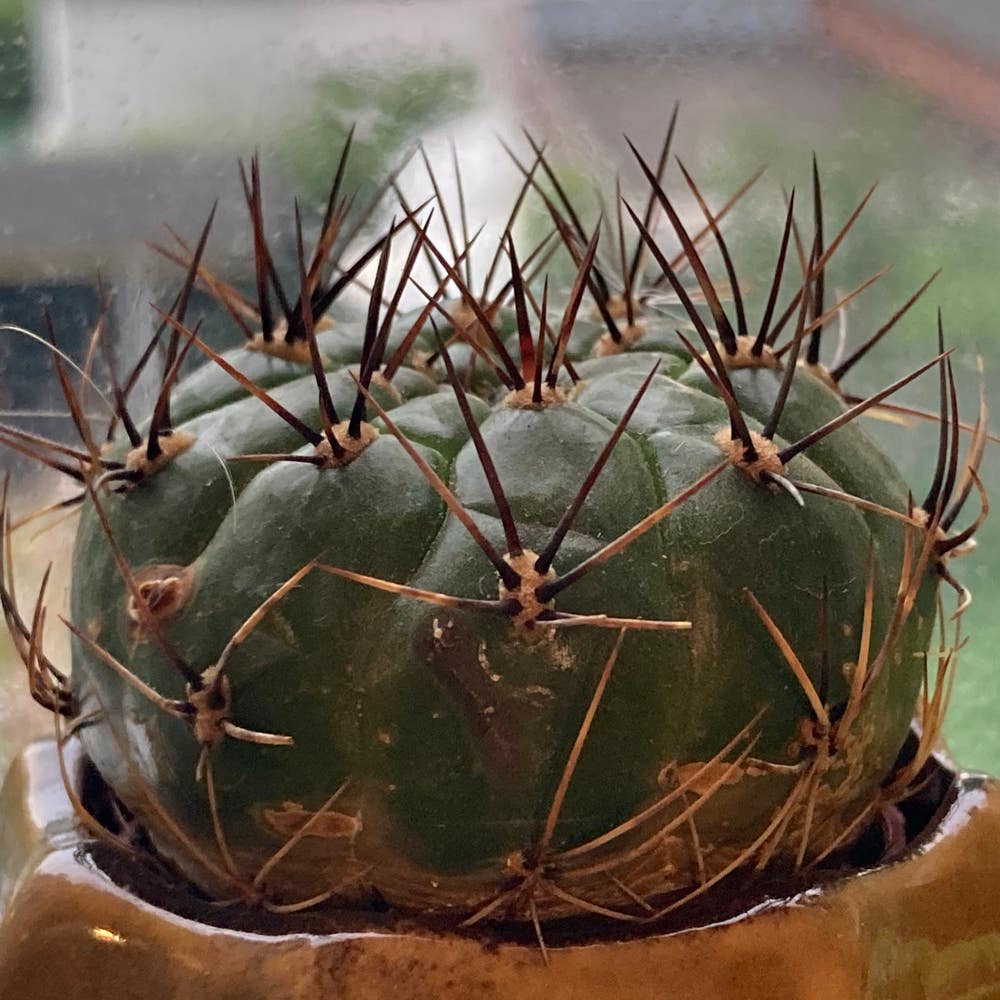
Matucana plants are celebrated for their striking ornamental features. Their unique shape, often cylindrical or globular, combined with a textured surface, creates a visually appealing presence in any garden.
Color plays a significant role as well, with shades ranging from deep greens to vibrant hues. Even without flowers, Matucana species can be a focal point, showcasing their beauty through form and color alone.
Beyond aesthetics, Matucana plants serve functional purposes. They are valued for their resilience and adaptability, making them excellent choices for xeriscaping or low-maintenance gardens. Their ability to thrive in arid conditions means they can contribute to sustainable gardening practices.
🌱 Explanation of How Matucana Reproduces Without Flowers
Even without flowering, Matucana species have clever ways to reproduce. They often rely on vegetative reproduction, which includes methods such as offsets or cuttings.
Offsets are small plants that grow from the base of the parent, allowing for easy propagation. This method not only ensures the survival of the species but also maintains the genetic traits of the parent plant.
Non-flowering Matucana species also manage to maintain genetic diversity. Through vegetative reproduction, they can still adapt to changing environments, ensuring their continued existence. This resilience showcases the remarkable adaptability of Matucana, proving that beauty and survival can go hand in hand.
In summary, whether blooming or not, Matucana plants offer a wealth of ornamental and functional benefits. Their unique characteristics and reproductive strategies highlight their importance in gardening and ecology. As we explore the unique aspects of Matucana, we’ll uncover even more fascinating details about these resilient plants.
Unique Aspects of Matucana
🌸 Unusual Characteristics Related to Flowering or Non-Flowering Nature
Matucana species exhibit fascinating adaptations that influence their flowering habits. Some species have evolved to thrive in harsh environments, leading to unique flowering patterns or even the absence of flowers altogether.
These adaptations often include specialized structures that help conserve water or maximize sunlight exposure. Such traits allow Matucana to survive in challenging conditions where other plants might struggle, showcasing nature's resilience.
🌱 Interesting Facts or Trivia About Matucana's Reproductive Strategy
Did you know that Matucana can reproduce without flowers? Many species rely on vegetative reproduction, producing offsets or cuttings that can grow into new plants.
This method not only ensures survival in tough conditions but also maintains genetic diversity. Historically, Matucana has been valued in gardening for its striking appearance and resilience, making it a favorite among plant enthusiasts.
These unique reproductive strategies highlight the adaptability of Matucana, proving that beauty and survival often go hand in hand. As we explore further, let's delve into the primary ornamental features of Matucana and how they contribute to its appeal.
⚠️ Safety First
This content is for general information and may contain errors, omissions, or outdated details. It is not medical, veterinary advice, or an endorsement of therapeutic claims.
Always consult a qualified healthcare professional before using any plant as food, medicine, or supplement.
Never eat any plant (or feed one to pets) without confirming its identity with at least two trusted sources.
If you suspect poisoning, call Poison Control (800) 222-1222, the Pet Poison Helpline (800) 213-6680, or your local emergency service immediately.
Spotted an error? Please report it here.
Unlock the vibrant beauty of Matucana flowers 🌸 with Greg's tailored care reminders that ensure your plants bloom beautifully and thrive in your garden!