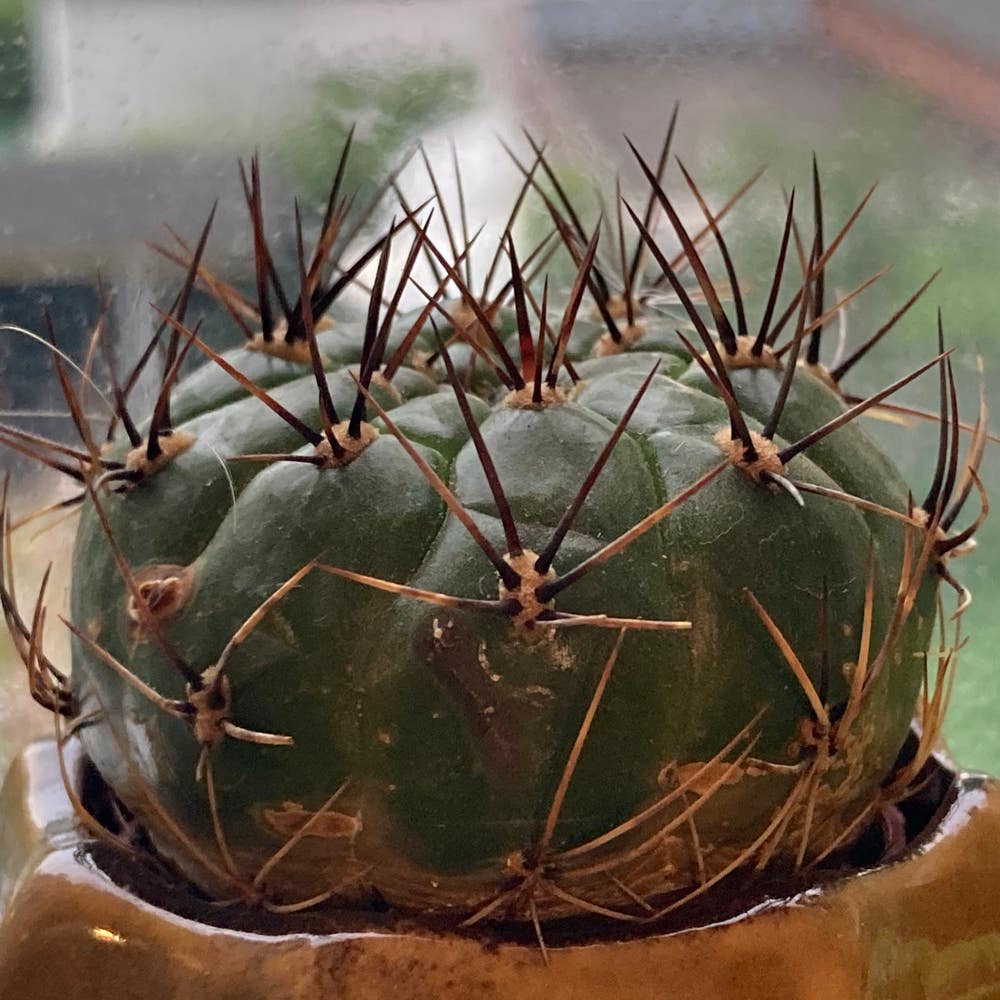
🌵 3 Tips for Healing Black Spots on Your Matucana
Matucana spp.
By the Greg Editorial Team
Nov 08, 2024•5 min read
This article was created with the help of AI so we can cover more plants for you. May contain errors. See one? Report it here.
- 🔍 Inspect your Matucana regularly for black spots and overall leaf health.
- 🌞 Ensure proper light exposure to prevent stress and black spot development.
- 💧 Maintain consistent watering and drainage to avoid moisture-related issues.
Diagnosing Black Spots
🔍 Visual Inspection Techniques
Start by examining the leaf surfaces of your Matucana. Look for distinct patterns in the black spots and assess the overall health of the leaves.
Next, check for pests. Inspect closely for any signs of infestation, as these can contribute to the stress that leads to black spots.
🌤️ Assessing Environmental Factors
Light plays a crucial role in your plant's health. Evaluate both the amount and intensity of light exposure your Matucana receives.
Humidity is another key factor. Measure humidity levels, especially if your plant is indoors, to ensure it thrives in the right environment.
Temperature fluctuations can also stress your plant. Keep an eye on temperature changes that may affect its well-being.
💧 Evaluating Watering Practices and Soil Conditions
Watering frequency is vital to your plant's health. Determine if you're overwatering or underwatering, as both can lead to black spots.
Soil drainage is equally important. Assess the soil type and its drainage capabilities to prevent waterlogging, which can harm your plant.
Finally, check the root health. Look for signs of root rot or other soil-related issues that could be affecting your Matucana.
By thoroughly diagnosing these aspects, you can take the first steps toward healing your plant and preventing future issues. Next, we’ll explore effective treatment methods for those pesky black spots.
Treating Black Spots
🦠 Step-by-Step Treatment for Fungal Infections
When you spot black spots on your Matucana, swift action is crucial. Start by isolating the affected plant to prevent any fungal spread to your other plants.
Next, use sterilized pruning shears to remove any severely affected leaves. This helps minimize the infection's impact and promotes healthier growth.
After pruning, apply a fungicide according to the label instructions. Alternatively, consider using a natural remedy like neem oil, which can be effective against various fungal issues.
🌿 Recommended Fungicides and Natural Remedies
For chemical options, look for fungicides specifically designed for cacti. These products target common cactus fungi and can help restore your plant's health.
If you prefer natural alternatives, try a homemade treatment. A diluted baking soda solution can work wonders as a preventative measure and treatment for mild infections.
✂️ How to Prune Affected Leaves Safely
To prune effectively, gather your tools first. You'll need sterilized scissors or pruning shears to ensure you don't introduce any new pathogens.
When pruning, cut at the base of the affected area. This technique helps avoid damaging the healthy tissue surrounding the black spots.
Finally, dispose of the infected plant material properly. This step is essential to prevent reinfection and keep your other plants safe.
With these steps, you can effectively treat black spots and help your Matucana thrive again. Next, let’s explore how to prevent future occurrences of these pesky spots.
Preventing Future Black Spots
💧 Best Practices for Watering
Establishing a consistent watering schedule is crucial for your Matucana's health. During the growing season, water more frequently, while reducing frequency in the dormant winter months.
Look for signs of proper watering, such as plump, firm leaves and dry soil at the top inch. If the leaves appear shriveled or the soil remains soggy, you may need to adjust your watering habits.
🌱 Ideal Soil Composition and Drainage
Using the right soil mix is essential for preventing black spots. A well-draining cactus soil typically includes components like sand and perlite to ensure excess water flows away from the roots.
Additionally, choose pots with drainage holes to prevent water accumulation. This simple step can save your plant from potential root rot and other moisture-related issues.
☀️ Importance of Proper Light Exposure and Temperature Control
Matucana varieties thrive in bright, indirect sunlight. Aim for at least six hours of light daily, but be cautious of direct sunlight, which can scorch the leaves.
Temperature management is equally important. Keep your plant in an environment where temperatures range between 70°F and 85°F during the day, and avoid exposing it to extreme cold or heat to minimize stress.
By following these preventive measures, you can help your Matucana flourish and reduce the risk of black spots. Next, let's explore how to monitor and maintain your plant for ongoing health and vitality.
Monitoring and Maintenance
Regular Inspection Routines for Early Detection 🕵️♂️
Regular inspections are crucial for catching black spots early. Aim to check your Matucana at least once a week for any signs of distress.
Look for changes in leaf color, texture, or the appearance of new spots. These indicators can signal underlying issues that need immediate attention.
Signs of Recovery and When to Reintroduce to Full Sunlight 🌱
As your plant begins to recover, watch for new growth and improved color. The absence of new black spots is a positive sign that your treatment is working.
When reintroducing your Matucana to full sunlight, do so gradually. Start with a few hours of exposure each day, increasing the time as the plant adjusts.
Seasonal Care Adjustments to Prevent Stress 🌦️
Seasonal changes can significantly impact your Matucana's health. Adjust your watering schedule and light exposure based on the season to keep your plant thriving.
In winter, be especially mindful of temperature and humidity. Providing adequate care during colder months can prevent stress and promote healthy growth.
By staying vigilant and adjusting your care routine, you can ensure your Matucana remains healthy and vibrant throughout the year.
⚠️ Safety First
This content is for general information and may contain errors, omissions, or outdated details. It is not medical, veterinary advice, or an endorsement of therapeutic claims.
Always consult a qualified healthcare professional before using any plant as food, medicine, or supplement.
Never eat any plant (or feed one to pets) without confirming its identity with at least two trusted sources.
If you suspect poisoning, call Poison Control (800) 222-1222, the Pet Poison Helpline (800) 213-6680, or your local emergency service immediately.
Spotted an error? Please report it here.
Revitalize your Matucana and keep it thriving 🌿 with Greg's tailored care reminders and expert tips that ensure your plant stays healthy and vibrant!