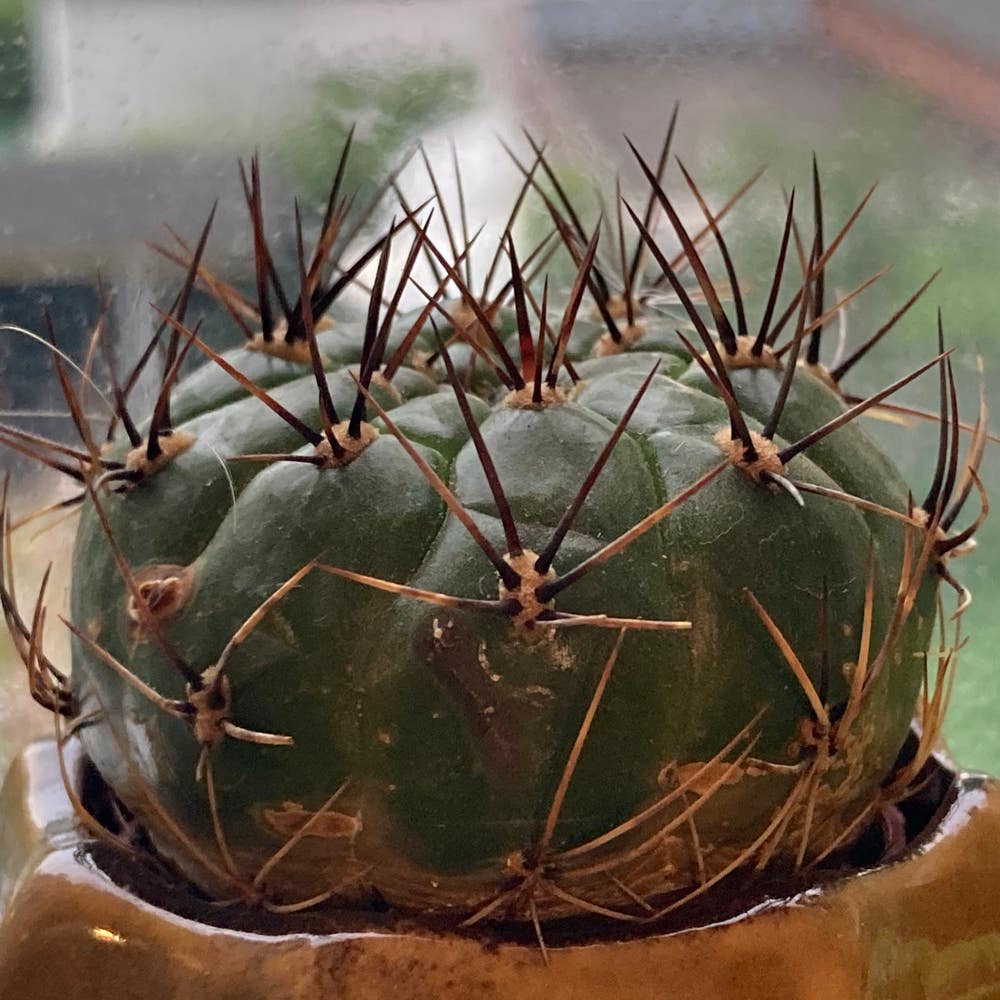
🌵 How to Know When to Repot Matucana
Matucana spp.
By the Greg Editorial Team
Nov 08, 2024•5 min read
This article was created with the help of AI so we can cover more plants for you. May contain errors. See one? Report it here.
- 🌵 Repot when roots grow out of drainage holes for optimal Matucana health.
- 🧤 Use gloves and proper materials to safely repot your cactus without damage.
- 🕒 Avoid repotting during dormancy; timing is key for successful growth.
Repotting Process for Matucana
Repotting your Matucana cactus can seem daunting, but with the right approach, it’s a manageable task. Follow this step-by-step guide to ensure your cactus thrives in its new home.
📝 Step-by-step guide to repotting
- Gather materials: Start by collecting a new pot, quality potting soil, gloves, and a trowel.
- Remove the cactus: Gently loosen the soil around the edges of the pot and carefully lift the plant out.
- Inspect the roots: Check for any signs of rot or damage. Trim away any unhealthy roots as needed.
- Place in new pot: Center the cactus in the new pot and fill it with soil, ensuring the plant is stable.
- Water lightly: Moisten the soil without soaking it to prevent root rot.
🌱 Preparing the new pot and soil
Choosing the right pot size is crucial. Aim for a pot that is 1-2 inches larger in diameter than the previous one.
For soil preparation, mix cactus potting soil with perlite. This combination enhances aeration, promoting healthy root growth.
🤲 Handling Matucana during repotting
When handling your cactus, use gloves or tongs to protect your hands from its spines.
Always support the base of the cactus while repotting to prevent any damage to the plant.
With these steps, your Matucana will be well on its way to thriving in its new environment. Next, let’s explore how to choose the right pot for your cactus.
Choosing the Right Pot for Matucana
🏺 Best materials for pots
When selecting a pot for your Matucana cactus, consider the material carefully. Terracotta is a top choice due to its excellent moisture control and breathability, making it ideal for cacti.
Ceramic pots can also be attractive options, but they may retain more moisture. Always ensure they have drainage holes to prevent water accumulation.
⚖️ Pros and cons of different pot materials
Each pot material has its advantages and disadvantages.
Terracotta:
- Pros: Porous and promotes good drainage.
- Cons: Can break easily if dropped.
Plastic:
- Pros: Lightweight and retains moisture well.
- Cons: Less breathable than terracotta, which can lead to root issues.
🚰 Importance of drainage in pot selection
Drainage is crucial for the health of your Matucana. Ensure your pot has adequate drainage holes to prevent root rot, which can be detrimental to your cactus.
Additionally, consider pots with feet or raised bases. This design helps improve drainage by elevating the pot and allowing excess water to escape more easily.
Choosing the right pot is essential for your Matucana's growth and health. With the right materials and drainage, your cactus will thrive and flourish.
Next, let’s explore the best potting soil options to complement your chosen pot.
Potting Soil for Matucana
🌱 Recommended soil mixes
Choosing the right potting soil is crucial for the health of your Matucana. You can opt for a commercial cactus mix, which offers convenience and is specifically formulated for cacti.
Alternatively, you can create a custom mix. Combine 50% potting soil with 25% perlite and 25% coarse sand for optimal drainage and aeration.
💧 Importance of drainage and aeration in soil
Drainage is vital for preventing water retention, which can lead to root rot. A well-draining soil mix allows excess water to escape, keeping your cactus healthy.
Aeration is equally important, as it enables roots to breathe and grow effectively. A mix that promotes aeration helps prevent compaction, ensuring your Matucana thrives.
🧪 Custom soil recipes for optimal growth
For those looking to experiment, here are two effective custom soil recipes:
Recipe 1: Mix 1 part potting soil, 1 part pumice, and 1 part sand. This combination enhances drainage and provides a sturdy base for root development.
Recipe 2: Combine 2 parts cactus mix, 1 part perlite, and 1 part gravel. This recipe offers excellent drainage while retaining just enough moisture for your cactus.
By selecting the right soil mix, you set the stage for your Matucana to flourish. With proper drainage and aeration, your cactus will be well-equipped to grow strong and healthy.
Next, let’s explore common mistakes to avoid when repotting your Matucana.
Common Mistakes in Repotting Matucana
🏺 Overpotting vs. Underpotting
Choosing the right pot size is crucial for your Matucana's health. Overpotting, or using a pot that's too large, can trap excess moisture, leading to root rot.
On the flip side, underpotting restricts growth. A pot that's too small can cause root binding, stunting your cactus's development.
🚰 Ignoring Drainage Needs
Drainage is a non-negotiable aspect of repotting. Proper drainage prevents water from accumulating, which is essential for avoiding root rot and ensuring healthy growth.
Always check that your pots have adequate drainage holes. Clogged holes can create a disaster for your plant, so keep them clear.
⏰ Timing Errors in Repotting
Timing is everything when it comes to repotting. Avoid the temptation to repot during your cactus's dormancy in fall and winter.
Instead, look for signs that your Matucana needs more space. Only repot when you see clear indicators, like roots growing out of the drainage holes or stunted growth.
By steering clear of these common mistakes, you'll set your Matucana up for a thriving future. Next, let’s explore how to choose the right pot for your cactus!
⚠️ Safety First
This content is for general information and may contain errors, omissions, or outdated details. It is not medical, veterinary advice, or an endorsement of therapeutic claims.
Always consult a qualified healthcare professional before using any plant as food, medicine, or supplement.
Never eat any plant (or feed one to pets) without confirming its identity with at least two trusted sources.
If you suspect poisoning, call Poison Control (800) 222-1222, the Pet Poison Helpline (800) 213-6680, or your local emergency service immediately.
Spotted an error? Please report it here.
Repotting your Matucana cactus can be effortless 🌵 with the right steps, and Greg is here to provide personalized tips and reminders to ensure your plant thrives in its new home!