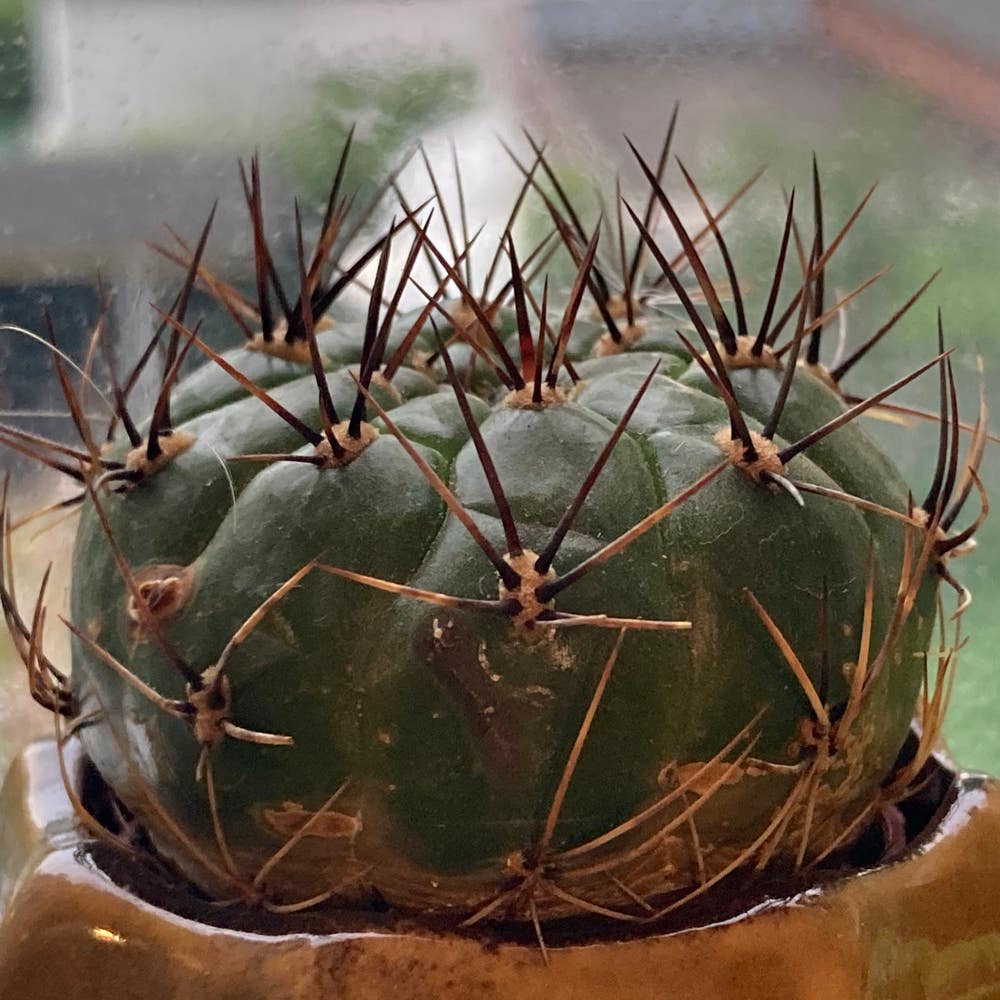
🌞 How to Grow Matucana Outdoors
Matucana spp.
By the Greg Editorial Team
Nov 08, 2024•7 min read
This article was created with the help of AI so we can cover more plants for you. May contain errors. See one? Report it here.
- ☀️ Matucana needs 6-8 hours of sunlight daily for optimal growth and blooming.
- 💧 Water every 2-3 weeks, ensuring soil dries out completely to prevent root rot.
- 🌱 Use well-draining soil with a pH of 6.0-7.0 for healthy root development.
Sunlight Requirements
Ideal Exposure 🌞
Matucana thrives in full sun, needing 6-8 hours of direct sunlight daily. Morning sun is especially beneficial, as it helps prevent scorching during the peak heat of the day.
Signs of Insufficient Light 🚫
If your Matucana is not getting enough light, you might notice signs of etiolation, where the plant stretches and takes on a pale coloration. Additionally, you may experience reduced blooming or even a complete failure to flower, indicating that it’s time to reassess its light conditions.
Understanding these sunlight requirements is crucial for the health and vitality of your Matucana. With the right exposure, you can ensure your plant flourishes beautifully.
Next, let’s explore the watering needs and frequency for optimal growth.
Watering Needs and Frequency
🌊 General Guidelines
Watering your Matucana is straightforward. During the growing season, aim to water every 2-3 weeks, and cut back during winter.
Before watering, always check the soil moisture. Allow the soil to dry out completely between waterings to prevent issues.
🚰 Symptoms of Overwatering and Underwatering
Overwatering can lead to yellowing leaves, mushy stems, and even root rot. If you notice these signs, it’s time to adjust your watering schedule.
On the flip side, underwatering results in a wrinkled, shriveled appearance. If your Matucana looks parched, increase your watering frequency.
Understanding these watering needs is crucial for your plant's health. With the right care, your Matucana will thrive and bring beauty to your outdoor space.
Next, let’s explore the soil preferences that will help your Matucana flourish.
Soil Preferences and Amendments
Ideal Composition 🌱
To grow Matucana successfully, start with well-draining soil. A recommended mix is potting soil, sand, and perlite in a 2:1:1 ratio, ensuring that water flows freely and roots can breathe.
The soil pH should be slightly acidic to neutral, ideally between 6.0 and 7.0. This range supports healthy growth and nutrient absorption.
Amendments 🛠️
Improving drainage is crucial for Matucana health. Adding sand or perlite to your soil mix can significantly enhance drainage and help prevent root rot, a common issue for these plants.
Incorporating small amounts of organic matter can boost nutrient content without retaining excess moisture. This balance is vital for keeping your Matucana thriving and vibrant.
With the right soil composition and amendments, your Matucana will be well-equipped to flourish outdoors. Next, let’s explore the best planting options for these resilient plants.
Planting Options
🌱 Container vs. In-Ground Planting
When deciding how to plant your Matucana, consider the benefits of container planting. Containers offer mobility, allowing you to reposition your plants for optimal sunlight or protection from harsh weather.
However, container planting comes with its drawbacks. Limited root space can restrict growth, and you'll need to water more frequently to keep the soil from drying out.
On the other hand, in-ground planting provides a more natural growth environment. This method typically requires less frequent watering, as the ground retains moisture better than pots.
Yet, in-ground planting isn't without challenges. You have less control over soil quality, and your plants may be more vulnerable to pests and diseases lurking in the garden.
Ultimately, the choice between container and in-ground planting depends on your specific circumstances and preferences. Consider your available space, climate, and how much time you can dedicate to care.
This decision will set the stage for your Matucana's success, so weigh your options carefully!
Protection from Weather and Pests
🌧️ Weather Protection Strategies
Protecting your Matucana from harsh weather is crucial for its health. During cold snaps, use frost cloths or bring containers indoors to shield them from frost damage.
In extreme heat, providing partial shade with shade cloth can help prevent sunburn. This simple measure can make a significant difference in maintaining your plant's vitality.
🐛 Common Outdoor Pests and Control Methods
Outdoor pests can pose a real threat to your Matucana. Aphids are common culprits; using insecticidal soap or neem oil can effectively manage these pests.
Mealybugs can also invade your plants. For these, manual removal or using cotton swabs dipped in alcohol will help keep them at bay.
🦠 Diseases and Prevention
Preventing diseases is just as important as managing pests. Root rot is a significant concern, so ensure your soil is well-draining and avoid overwatering.
Fungal infections can also occur, particularly in humid conditions. Improving air circulation around your plants and avoiding overhead watering can help prevent these issues.
By taking these protective measures, you can ensure your Matucana thrives despite the challenges posed by weather and pests. Next, let’s explore the seasonal care your plant will need throughout the year.
Seasonal Care
🌸 Spring Care Tips
As spring arrives, it's time to give your Matucana some much-needed attention. Start by checking for root-bound conditions; if the roots are circling the pot, it’s time to re-pot and refresh the soil.
Fertilization is also crucial during this season. Begin monthly feeding to support new growth as the plant wakes up from dormancy.
☀️ Summer Considerations
Summer brings heat, and your Matucana will need increased watering. Monitor soil moisture closely, ensuring it doesn’t dry out completely during those scorching days.
Pest vigilance is essential in summer. Regularly inspect your plants for any signs of infestation, as pests can thrive in warm weather.
🍂 Fall Preparation
As temperatures begin to drop in fall, it's wise to reduce watering frequency. Allow the soil to dry out more between waterings to prepare your plant for the cooler months ahead.
Additionally, implement protective measures against frost. Cover your plants or bring containers indoors as temperatures start to dip.
❄️ Winter Care
When winter sets in, consider moving your containers indoors if temperatures drop below freezing. This will protect your Matucana from harsh conditions.
During winter, watering should be minimal. Only water if the soil is completely dry, as the plant's growth slows significantly in colder months.
With these seasonal care tips, your Matucana will thrive throughout the year. Next, let’s explore climate zone considerations to ensure your plant's success in various environments.
Climate Zone Considerations
🌍 Identifying Suitable Zones
Matucana thrives best in USDA zones 9-11. This succulent loves the heat but is sensitive to frost and excessive moisture, making it crucial to know your climate zone before planting.
🌡️ Adjusting Care Based on Climate
In hot climates, ensure your Matucana receives adequate watering and shade during peak sun hours. Conversely, if you live in a colder area, implementing winter protection strategies is essential to keep your plant healthy.
🌵 Special Considerations
For those in arid regions, keep a close eye on your Matucana to prevent dehydration. Adjust your watering schedule as needed to maintain its health.
In humid regions, focus on improving drainage to prevent root rot. This can involve using well-draining soil and ensuring proper air circulation around your plants.
Understanding these climate considerations will help you provide the best care for your Matucana, ensuring it flourishes in your outdoor space. Next, let’s explore common challenges and solutions to keep your plant thriving.
Common Challenges and Solutions
💧 Overwatering and Underwatering
Overwatering is a common pitfall for many gardeners. Look for signs like yellowing leaves and mushy stems; these indicate that your Matucana is drowning. To remedy this, adjust your watering schedule, allowing the soil to dry out completely between waterings.
On the flip side, underwatering can lead to a wrinkled, shriveled appearance. If you notice this, it’s time to increase your watering frequency. Remember, consistency is key to keeping your plants healthy.
🏞️ Soil Drainage Issues
Soil drainage is crucial for Matucana health. If you’re facing drainage problems, consider amending your soil with sand or perlite to enhance its structure.
Another effective solution is to use raised beds, which can significantly improve drainage and prevent waterlogging. This simple adjustment can make a world of difference for your plants.
🐛 Pest Infestations
Pests can wreak havoc on your Matucana if not addressed promptly. Regular inspections are essential for early detection and treatment.
Encouraging natural predators, like ladybugs, can also help keep pest populations in check. These beneficial insects are nature's little warriors against aphids and other nuisances.
🌪️ Extreme Weather Impacts
Extreme weather can pose significant challenges for outdoor Matucana. Protective measures, such as using shade cloths during intense heat or frost covers during cold snaps, can safeguard your plants.
After a weather event, assess any damage and adjust your care practices accordingly. This proactive approach will help your Matucana bounce back stronger than ever.
By staying vigilant and adapting your care strategies, you can overcome these common challenges and enjoy a thriving Matucana garden. Next, let’s explore the seasonal care needed to keep your plants flourishing throughout the year.
⚠️ Safety First
This content is for general information and may contain errors, omissions, or outdated details. It is not medical, veterinary advice, or an endorsement of therapeutic claims.
Always consult a qualified healthcare professional before using any plant as food, medicine, or supplement.
Never eat any plant (or feed one to pets) without confirming its identity with at least two trusted sources.
If you suspect poisoning, call Poison Control (800) 222-1222, the Pet Poison Helpline (800) 213-6680, or your local emergency service immediately.
Spotted an error? Please report it here.
Grow your Matucana flourishing outdoors 🌞 by using Greg's tailored care reminders to keep sunlight, watering, and protection in perfect balance!