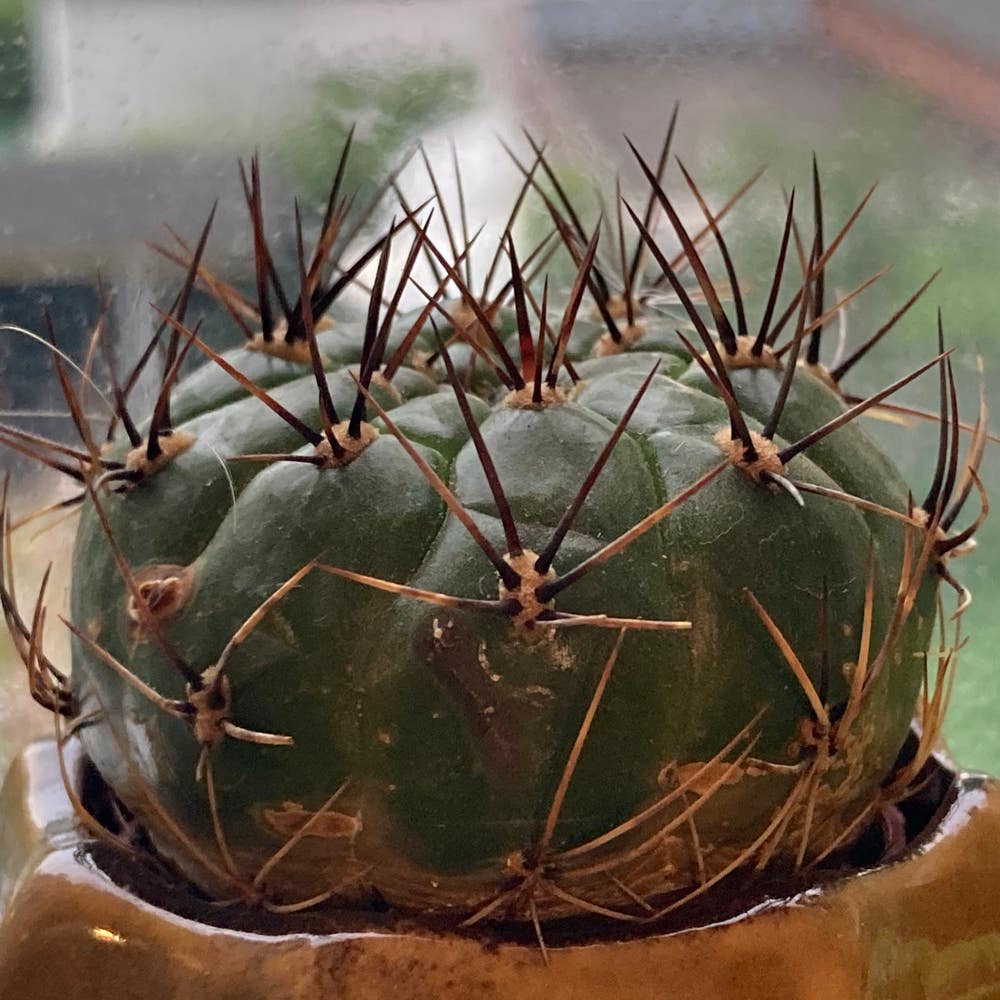
How to Grow Matucana: From Soil to Sun 🌞
Matucana spp.
By the Greg Editorial Team
Nov 08, 2024•5 min read
This article was created with the help of AI so we can cover more plants for you. May contain errors. See one? Report it here.
- 🌞 Matucana needs 6-8 hours of sunlight daily for optimal growth and flowering.
- 🌡️ Ideal temperature is 20°C to 30°C; protect from cold for healthy growth.
- 🌱 Use well-draining soil and monitor pH between 6.0 and 7.5 to prevent root rot.
General Care Tailored to Matucana
🌞 Choosing the Right Location
Sunlight Requirements
Matucana thrives in full sun, requiring 6-8 hours of direct sunlight daily. This exposure is crucial for vibrant flowering and robust growth, so choose a bright spot in your garden or home.
Temperature Considerations
The ideal temperature range for Matucana is between 20°C to 30°C (68°F to 86°F). Be mindful of its sensitivity to cold; protecting it from frost and extreme temperatures is essential for its health.
🌱 Soil Preparation
Ideal Soil Mix for Drainage
For optimal drainage, a recommended cactus mix typically includes components like sand, perlite, and peat. Well-draining soil is vital to prevent root rot, which can be detrimental to your plant.
pH Level Preferences
Matucana prefers a soil pH range of 6.0 to 7.5. Regularly testing your soil pH and making adjustments as necessary will help maintain the right conditions for growth.
🌼 Planting Techniques
Best Practices for Planting
When planting in the ground, select a site with good drainage and prepare the soil accordingly. For container planting, choose a pot that is appropriately sized and made from breathable materials to support healthy growth.
Spacing and Depth Considerations
If planting multiple Matucana, space them 12-18 inches apart to allow for air circulation. Ensure that the crown of each plant is above soil level to promote healthy growth.
💧 Watering and Fertilizing
Watering Frequency and Techniques
During the growing season, water your Matucana every 2-3 weeks. Use the soak and dry method to maintain proper moisture levels, allowing the soil to dry out between waterings.
Signs of Overwatering and Underwatering
Watch for yellowing stems and a mushy texture, which indicate overwatering. Conversely, shriveling and browning tips are signs of underwatering, so adjust your watering routine accordingly.
Types of Fertilizers and Schedule
A balanced cactus fertilizer or diluted liquid fertilizer is recommended for Matucana. Fertilize every 4-6 weeks during the growing season to support healthy growth and flowering.
✂️ Pruning and Maintenance
When and How to Prune
Prune your Matucana in late winter or early spring, just before new growth begins. Use clean, sharp tools to avoid damaging the plant and ensure a clean cut.
Importance of Pruning for Health and Growth
Pruning encourages bushier growth and helps remove dead or damaged parts. This practice not only enhances the plant's appearance but also promotes overall health.
As you continue to care for your Matucana, remember that developing a consistent routine is key to its success. Next, we'll explore ongoing care and the challenges you might face while growing this beautiful cactus.
Ongoing Care and Challenges
🌱 Developing a Plant Care Routine
Seasonal Care Adjustments
To keep your Matucana thriving, adjust your watering and fertilizing based on the seasons. During warmer months, increase frequency, while in winter, reduce it to accommodate the plant's dormancy.
Monitoring Growth and Health
Regular inspections are crucial for spotting signs of stress or disease early. Keeping a care journal can help you track growth patterns and identify any changes that may need addressing.
🐛 Common Challenges in Growing Matucana
Identifying and Managing Pests and Diseases
Common pests like mealybugs, spider mites, and scale can threaten your Matucana. Stay vigilant for signs of root rot and fungal infections, as early detection is key to effective management.
Solutions for Environmental Stressors
Environmental stressors can impact your plant's health. Address issues like inadequate light, temperature fluctuations, and humidity levels to create a stable growing environment.
🪴 Tips for Successful Container Growing
Choosing the Right Pot and Drainage
Selecting the right pot is essential for optimal growth. Consider size and material, and ensure your pot has drainage holes to prevent water accumulation, which can lead to root rot.
Managing Soil Moisture in Containers
Check soil moisture levels regularly to avoid over or underwatering. Adjust your watering frequency based on the container size and the surrounding environment to keep your Matucana healthy and happy.
With these ongoing care strategies and tips for overcoming challenges, you'll be well-equipped to nurture your Matucana. Next, let's explore advanced techniques for propagation and seasonal care adjustments.
Advanced Techniques
🌱 Propagation Methods
Seed Propagation vs. Offsets
Propagation is a rewarding way to expand your Matucana collection. Seed propagation requires careful timing and specific conditions, such as warm temperatures and adequate moisture, to ensure successful germination.
Offsets, or pups, are another method of propagation. These are small plants that grow from the base of the parent plant. Identifying offsets is easy; they appear as little clones at the soil level. Gently separate them from the parent plant when they are a few inches tall, ensuring each has some roots attached.
🌟 Best Practices for Successful Propagation
To achieve the best results in propagation, use a well-draining soil mix. A combination of cactus mix and perlite works wonders, providing both drainage and moisture retention.
Light and temperature are crucial for germination. Place your seeds in a warm, bright location but avoid direct sunlight, which can scorch them. Aim for temperatures between 20°C to 25°C (68°F to 77°F) for optimal growth.
🍂 Seasonal Considerations for Care
Adjusting Care Routines Based on Seasonal Changes
As seasons change, so should your care routine for Matucana. During winter dormancy, reduce watering and fertilizing to prevent over-saturation and root rot.
Monitor temperature fluctuations closely. If your plant is indoors, ensure it remains in a stable environment, away from drafts or sudden temperature drops.
❄️ Preparing for Winter Dormancy
Recognizing when your Matucana is entering dormancy is essential. Signs include slowed growth and a change in color, often becoming less vibrant.
To protect your plant during colder months, consider moving it indoors or to a sheltered location. Reduce watering significantly, allowing the soil to dry out completely between waterings to mimic its natural dormant state.
With these advanced techniques, you can ensure your Matucana thrives through every season. Next, let’s explore ongoing care and the challenges you might face while growing this unique cactus.
⚠️ Safety First
This content is for general information and may contain errors, omissions, or outdated details. It is not medical, veterinary advice, or an endorsement of therapeutic claims.
Always consult a qualified healthcare professional before using any plant as food, medicine, or supplement.
Never eat any plant (or feed one to pets) without confirming its identity with at least two trusted sources.
If you suspect poisoning, call Poison Control (800) 222-1222, the Pet Poison Helpline (800) 213-6680, or your local emergency service immediately.
Spotted an error? Please report it here.
Nurture your Matucana to bloom brilliantly 🌵 with Greg's tailored care reminders and expert tips that make cactus care a breeze!