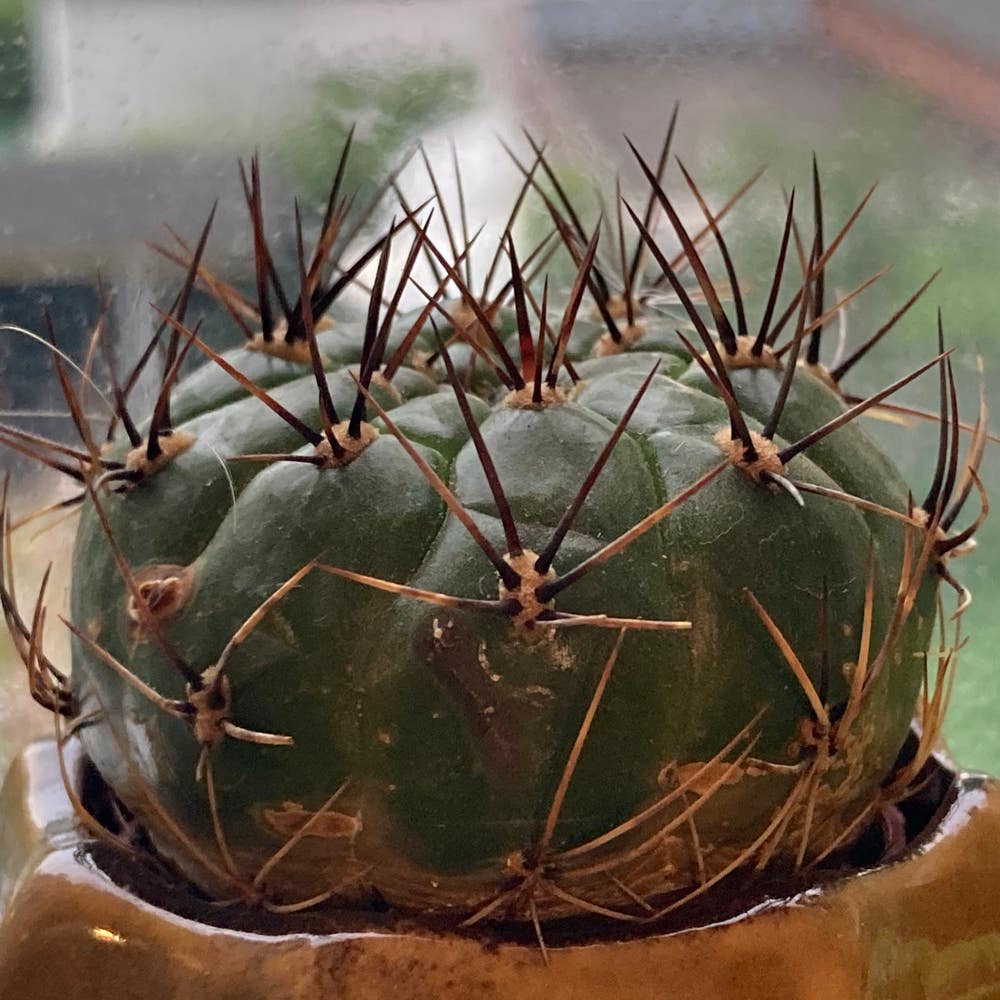
☀️ What to Do About Brown Spots on Your Matucana
Matucana spp.
By the Greg Editorial Team
Nov 08, 2024•8 min read
This article was created with the help of AI so we can cover more plants for you. May contain errors. See one? Report it here.
- 🌱 Brown spots on Matucana stem from overwatering, sunburn, pests, or nutrient issues.
- 💧 Prevent root rot by allowing soil to dry out between waterings.
- 🔍 Regularly inspect for pests and adjust care to maintain plant health.
Causes of Brown Spots
💧 Overwatering and Root Rot
Overwatering is a common culprit behind brown spots on your Matucana. Symptoms include yellowing leaves, a mushy texture, and, of course, those pesky brown spots.
Root rot occurs when fungal growth takes hold in waterlogged soil. To combat this, ensure you allow the soil to dry out between waterings, creating a healthier environment for your plant.
☀️ Sunburn and Excessive Light Exposure
Sunburn can also lead to brown spots, manifesting as brown, crispy patches on the leaves. Your Matucana thrives in bright, indirect sunlight, so avoid placing it in harsh afternoon sun.
If you need to adjust light exposure, do so gradually. This helps prevent shock and keeps your plant happy and healthy.
🍄 Fungal Infections and Diseases
Fungal infections are another serious issue that can cause brown spots and wilting. Common symptoms include discolored patches, often exacerbated by high humidity and poor air circulation.
To prevent these issues, prioritize well-draining soil. This simple step can significantly reduce the risk of fungal growth.
🐛 Pest Infestations
Pests like mealybugs and scale can wreak havoc on your Matucana. Signs of infestation include sticky residue, webbing, and visible pests clinging to the plant.
These pests can stress your plant, leading to brown spots. Regular monitoring is key to catching infestations early and keeping your plant healthy.
🌱 Nutrient Deficiencies
Nutrient deficiencies can also result in brown spots. Essential nutrients like nitrogen, phosphorus, and potassium play a vital role in your plant's health.
Symptoms of deficiencies include general discoloration and specific brown spots. To combat this, maintain a balanced fertilization schedule to ensure your Matucana gets the nutrients it needs.
Understanding these causes is crucial for maintaining the health of your Matucana. By addressing these issues, you can help your plant thrive and prevent further damage. Next, we’ll explore how to diagnose brown spots effectively.
Diagnosing Brown Spots
🕵️ Identifying the Type of Brown Spots
To effectively address brown spots on your Matucana, start by identifying their type. Look for differences in texture, color, and location to distinguish between sunburn, fungal spots, and pest damage.
- Sunburn: Typically appears as crispy, brown patches on the leaves.
- Fungal Spots: Often have a darker, more mushy appearance.
- Pest Damage: May show irregular patterns and can be accompanied by sticky residue.
🌦️ Assessing Environmental Conditions
Next, evaluate the environmental conditions surrounding your plant. Understanding light exposure and humidity levels is crucial for diagnosing issues.
- Light Exposure: Assess how long and how intensely your Matucana is exposed to sunlight. Ideally, they thrive in bright, indirect light.
- Humidity Levels: Check if the humidity is within the ideal range for Matucana cacti, which is typically low to moderate.
🐞 Checking for Pests and Diseases
Inspecting for pests and diseases is essential for early intervention. Regular checks can save your plant from severe damage.
- Inspection Methods: Use visual checks and a magnifying glass to spot any pests or signs of disease. Look closely at the undersides of leaves and the base of the plant.
- Early Detection: Catching issues early allows for more effective treatment, preventing further damage.
💧 Evaluating Watering Practices
Finally, analyze your watering practices to ensure they align with your plant's needs. Over or under-watering can lead to brown spots.
- Watering Frequency: Consider how often you water and the amount used. Signs of over-watering include yellowing leaves, while under-watering may cause shriveling.
- Soil Moisture Checks: Use a moisture meter or perform a finger test to gauge soil moisture levels. This helps you determine when it's time to water again.
By carefully diagnosing the type of brown spots and assessing environmental conditions, you can take the necessary steps to restore your Matucana's health. Next, we’ll explore effective treatment options to address these issues head-on.
Treatment Options
Adjusting Watering Habits 🌊
To keep your Matucana healthy, aim to water every 2-3 weeks during the growing season. This schedule allows the soil to dry out between waterings, which is crucial for preventing root rot.
Deep watering is essential; ensure water reaches the roots while allowing excess to drain away. This technique helps maintain optimal moisture levels without waterlogging the plant.
Treating Fungal Infections 🍄
If you notice brown spots caused by fungal infections, consider using organic fungicides. Apply these products according to the manufacturer's instructions for the best results.
Improving air circulation around your Matucana is equally important. Position your plant in a well-ventilated area and consider using pots that promote airflow to the roots.
Managing Pests Effectively 🐛
Pest infestations can lead to significant stress for your Matucana. Use insecticidal soap or neem oil to manage common pests like mealybugs and scale.
Regular monitoring is key. Check your plants frequently and reapply treatments as needed to keep pests at bay.
Pruning Affected Areas ✂️
When dealing with brown spots, pruning can be an effective solution. Use sterilized tools to cut away affected areas, preventing further infection.
Timing is crucial; prune based on the severity of damage. If the plant shows signs of recovery, you may need to adjust your approach to care.
Soil Amendments for Better Drainage 🌱
Choosing the right soil is vital for your Matucana's health. A cactus mix or adding perlite can significantly improve drainage, preventing water retention.
Additionally, select pots with drainage holes to ensure excess water can escape. This simple step can make a world of difference in maintaining your plant's vitality.
By following these treatment options, you can help your Matucana thrive and recover from brown spots. Next, let's explore preventive measures to keep your plant healthy in the long run.
Preventive Measures
Ideal Light Conditions 🌞
To keep your Matucana thriving, place it in bright, indirect sunlight. Avoid direct midday sun, as it can scorch the leaves and lead to unsightly brown spots.
Seasonal adjustments are key. Move your plants as needed to ensure they receive optimal light throughout the year.
Proper Watering Techniques 🚰
Establishing a consistent watering schedule is crucial for your cactus's health. Adjust your watering frequency seasonally, aiming for every 2-3 weeks during the growing season.
Using well-draining pots and soil is essential. This prevents water from pooling and reduces the risk of root rot.
Soil Selection and Potting Tips 🍽️
For optimal drainage, choose soil mixes specifically designed for cacti. A blend that includes perlite or sand can work wonders.
Repotting is necessary when you notice roots emerging from the drainage holes or if the plant seems stunted. Regularly check for these signs to ensure your Matucana has room to grow.
Regular Inspection for Pests 🛡️
Conduct monthly inspections to catch any pest issues early. Look for sticky residue, webbing, or visible pests on the plant.
Early detection can save your cactus from significant damage. Stay vigilant to keep your Matucana healthy and thriving.
Seasonal Care Adjustments 🌦️
Adjust your care routine based on seasonal changes. This includes modifying watering and light exposure to match the plant's needs throughout the year.
Monitoring environmental changes, such as temperature and humidity shifts, is also important. Keeping an eye on these factors will help you maintain a stable environment for your Matucana.
By implementing these preventive measures, you can significantly reduce the risk of brown spots and ensure your Matucana remains vibrant and healthy. Next, we’ll explore how to monitor your plant’s health after treatment for any existing issues.
Recovery and Care Post-Treatment
Monitoring Plant Health After Treatment 🌱
After treatment, keep an eye out for signs of recovery in your Matucana. Look for new growth and vibrant color as indicators that your plant is bouncing back.
Patience is key during this phase. Recovery timelines can vary, so give your cactus the time it needs to heal.
Adjusting Care Routine Based on Recovery 🔄
As your Matucana starts to recover, be ready to modify your care routine. Adjust watering and light exposure based on how your plant responds to treatment.
Maintaining a stable environment is crucial during recovery. Sudden changes can stress your plant, so keep conditions consistent.
Signs of Improvement to Look For 👀
Watch for specific indicators that your plant is regaining its health. New growth, vibrant color, and the absence of pests are all positive signs.
Tracking progress can be incredibly helpful. Consider keeping a care journal to note changes and improvements over time.
Long-Term Care Strategies to Prevent Recurrence 🛡️
To prevent future issues, establish a consistent care routine. Regular checks on your Matucana will help you catch any problems early.
Educating yourself about different Matucana varieties is also beneficial. Understanding the specific needs of each type can make a significant difference in their long-term health.
By following these recovery and care strategies, you’ll set your Matucana up for a thriving future. Next, let’s explore how to ensure your cactus remains healthy and vibrant through preventive measures.
⚠️ Safety First
This content is for general information and may contain errors, omissions, or outdated details. It is not medical, veterinary advice, or an endorsement of therapeutic claims.
Always consult a qualified healthcare professional before using any plant as food, medicine, or supplement.
Never eat any plant (or feed one to pets) without confirming its identity with at least two trusted sources.
If you suspect poisoning, call Poison Control (800) 222-1222, the Pet Poison Helpline (800) 213-6680, or your local emergency service immediately.
Spotted an error? Please report it here.
Keep your Matucana spot-free 🌿 by using Greg's tailored watering reminders and expert tips to tackle overwatering, sunburn, and pests effectively!