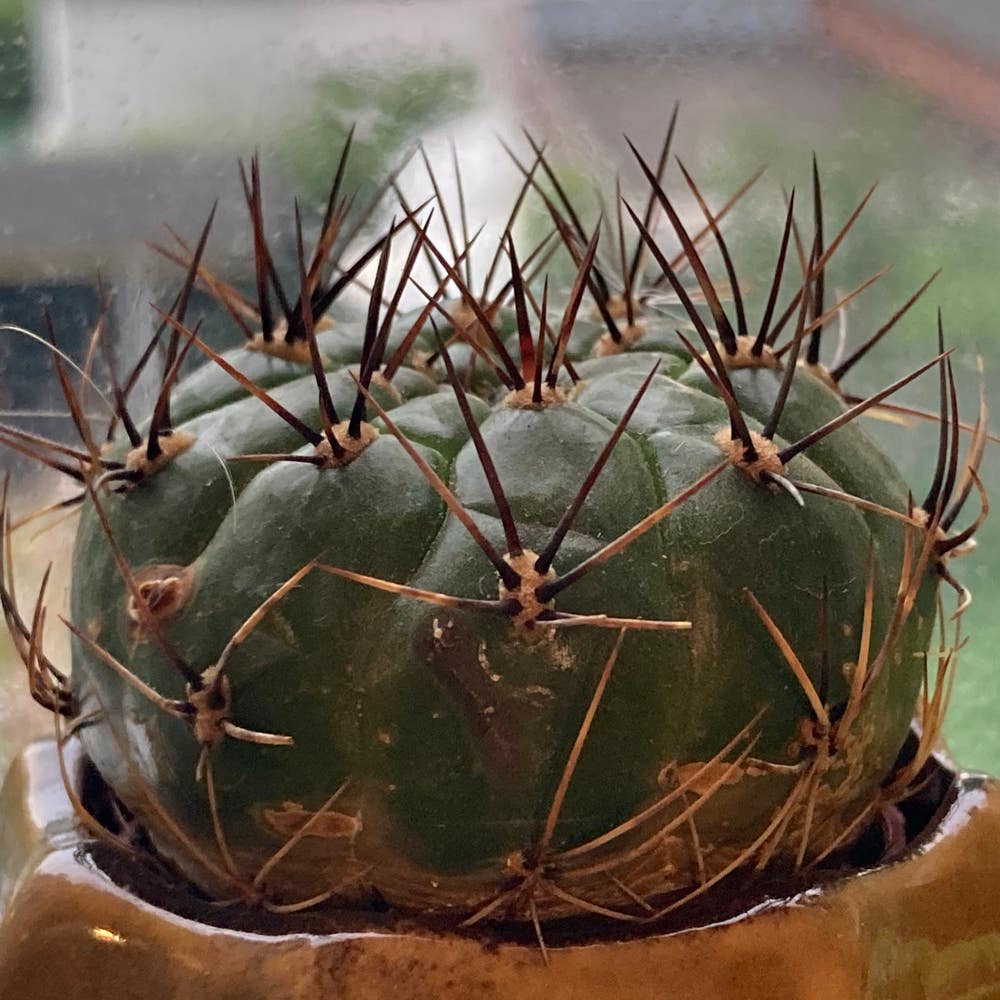
🌵 3 Tips for Fertilizing Your Matucana
Matucana spp.
By the Greg Editorial Team
Nov 08, 2024•5 min read
This article was created with the help of AI so we can cover more plants for you. May contain errors. See one? Report it here.
- 🌵 Choose cactus-specific fertilizers for optimal Matucana health and growth.
- 📅 Fertilize every 4-6 weeks during active growth for best results.
- 🚫 Avoid over-fertilization by monitoring signs like stunted growth and salt crusts.
Types of Fertilizers Suitable for Matucana
When it comes to fertilizing your Matucana, choosing the right type of fertilizer is crucial for its health and growth. Here are some recommended options that cater specifically to the needs of these unique cacti.
🌵 Recommended Fertilizers
Cactus-specific fertilizers are designed to provide the right nutrients for cacti, ensuring they thrive in their arid environments. These fertilizers typically have lower nitrogen levels, which is ideal for preventing excessive growth that can weaken the plant.
Balanced N-P-K fertilizers offer a well-rounded nutrient profile, making them suitable for various growth stages. Look for options with equal parts nitrogen, phosphorus, and potassium, like a 10-10-10 ratio, to support overall plant health.
Slow-release fertilizers are another excellent choice, as they gradually supply nutrients over time. This method reduces the risk of over-fertilization and provides a steady nutrient supply, perfect for busy plant parents.
By selecting the right fertilizers, you can ensure your Matucana receives the nutrients it needs to flourish. Next, let’s explore the ideal N-P-K ratios to maximize your plant’s growth potential.
Recommended N-P-K Ratios
🌱 Ideal Ratios for Matucana
When it comes to fertilizing your Matucana, the right N-P-K ratio is crucial. A general recommendation is to use a balanced fertilizer with ratios like 10-10-10 or 5-10-5.
🔄 Adjusting Ratios Based on Growth Stage
As your Matucana grows, you may need to adjust these ratios. During the active growth phase, opt for higher nitrogen to promote lush foliage, while increasing potassium during the blooming phase will encourage vibrant flowers.
By tailoring the N-P-K ratios to your plant's needs, you can ensure a thriving Matucana that showcases its unique beauty. Next, let’s explore the best timing and frequency for fertilizing your cactus.
Timing and Frequency of Fertilization
🌱 Best Seasons for Fertilizing
Timing is crucial when it comes to fertilizing your Matucana.
Spring is the perfect time to start fertilization as growth resumes. This is when your cactus begins to wake up from its winter slumber, and it needs that extra boost to kickstart its growth.
Summer is all about continued feeding during peak growth. Your Matucana will be actively growing, so regular fertilization helps it thrive.
As Fall approaches, it's time to reduce or stop fertilization. This is when your cactus prepares for dormancy, and it doesn't need as many nutrients.
⏰ How Often to Fertilize
The frequency of fertilization can make a significant difference in your cactus's health.
During active growth, aim to fertilize every 4-6 weeks. This keeps the nutrients flowing when your Matucana needs them most.
Adjust your fertilization schedule based on the specific type of fertilizer you’re using. Some may require more frequent applications, while others are designed for longer intervals.
By following these guidelines, you’ll ensure your Matucana gets the right nutrients at the right time, setting it up for success.
Next, let’s explore the proper application methods to maximize the benefits of your fertilization efforts.
Application Methods
Proper Application Techniques 🌱
Applying fertilizer correctly is crucial for the health of your Matucana. Follow these simple steps for effective fertilization:
- Dilute liquid fertilizers according to the package instructions. This ensures that your plant receives the right concentration of nutrients.
- Apply evenly around the base of the plant. This method helps distribute the nutrients where they are most needed.
- Avoid direct contact with stems. This prevents potential damage and ensures that the fertilizer reaches the roots effectively.
Watering Techniques Post-Fertilization 💧
Watering after fertilization is just as important as the application itself. Here’s why:
- Helps distribute nutrients throughout the soil, ensuring your Matucana can absorb them efficiently.
- Prevents fertilizer burn, which can occur if the fertilizer sits too long on the plant's surface.
For the best results, follow this watering schedule:
- Water thoroughly after application to help the nutrients penetrate the soil.
- Wait until the soil dries before your next watering. This helps maintain the right moisture balance and prevents overwatering.
By mastering these application and watering techniques, you’ll set your Matucana up for vibrant growth and blooming. Next, let’s explore the signs of over-fertilization to ensure your plant remains healthy and thriving.
Signs of Over-Fertilization
🥴 Symptoms of Over-Fertilization
Over-fertilization can be a sneaky issue for your Matucana. Watch for these common symptoms:
- Stunted Growth: If your cactus seems to have hit a growth plateau, it might be a sign of nutrient overload.
- Leaf Drop or Flower Drop: A sudden loss of leaves or flowers can indicate stress from excess fertilizer.
- Salt Crust on Soil Surface: White crusty deposits on the soil are a clear sign that salts are building up, which can harm your plant.
🚑 How to Remedy Over-Fertilization
If you suspect over-fertilization, don’t panic. Here’s how to get your Matucana back on track:
- Flush the Soil: Start by thoroughly watering the plant to wash away excess salts. This helps restore balance in the soil.
- Reduce or Eliminate Fertilization: Give your cactus a break from fertilizers for a few months. This allows it to recover and reset.
By keeping an eye on these signs and taking prompt action, you can ensure your Matucana thrives without the stress of over-fertilization. Next, let’s explore the best practices for fertilizing your cactus effectively.
⚠️ Safety First
This content is for general information and may contain errors, omissions, or outdated details. It is not medical, veterinary advice, or an endorsement of therapeutic claims.
Always consult a qualified healthcare professional before using any plant as food, medicine, or supplement.
Never eat any plant (or feed one to pets) without confirming its identity with at least two trusted sources.
If you suspect poisoning, call Poison Control (800) 222-1222, the Pet Poison Helpline (800) 213-6680, or your local emergency service immediately.
Spotted an error? Please report it here.
Keep your Matucana thriving 🌱 with these fertilization tips, and let Greg guide you with personalized reminders and expert advice to ensure your cactus gets the nutrients it needs at the right time!