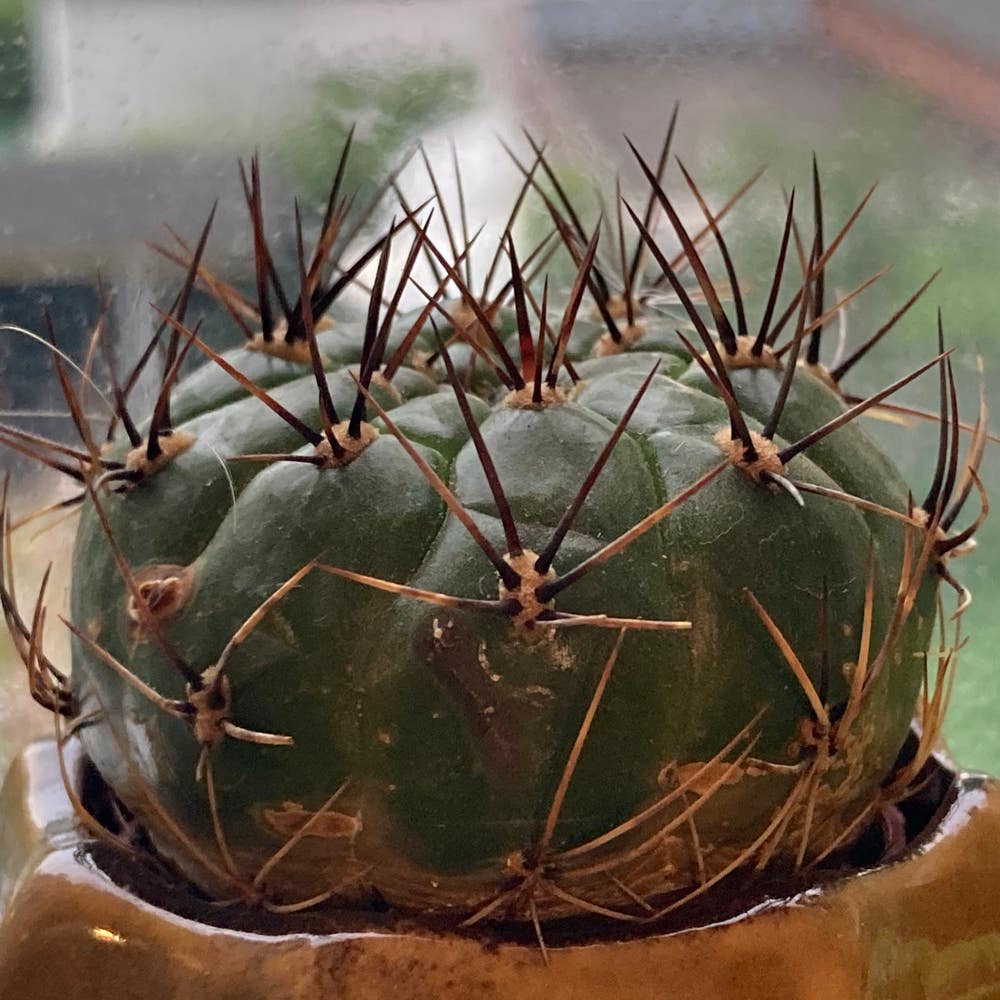
Best Climate for Matucana: Zones 9a-11b 🌵
Matucana spp.
By the Greg Editorial Team
Nov 08, 2024•4 min read
This article was created with the help of AI so we can cover more plants for you. May contain errors. See one? Report it here.
- 🌵 Matucana thrives in zones 9a-11b, ideal for warmer climates and urban heat.
- ❄️ Frost sensitivity means protecting Matucana is crucial for healthy growth.
- 🌞 Optimal temperatures range from 70°F to 85°F, ensuring vibrant Matucana health.
Importance of Hardiness Zones in Plant Growth
🌡️ Impact on Plant Selection
Hardiness zones are crucial for selecting the right plants for your garden. These zones indicate the minimum and maximum temperatures a plant can tolerate, guiding gardeners in choosing species that will thrive in their specific climate.
Matching plant species to their appropriate hardiness zones is essential for successful growth. When you select plants suited to your zone, you increase their chances of flourishing, reducing the risk of frost damage and heat stress.
Matucana Temperature Tolerance
❄️ Cold Tolerance Specifics
Matucana cacti are surprisingly resilient but have their limits when it comes to cold. They can typically withstand temperatures down to 25°F (-4°C), but anything lower can be detrimental to their health.
Frost sensitivity is a critical factor for Matucana. When exposed to frost, the plant can suffer from damage that affects its growth and overall vitality. Protecting them from frost is essential for successful cultivation.
🔥 Heat Tolerance Specifics
On the flip side, Matucana thrives in heat, withstanding temperatures up to 100°F (38°C) or more. This remarkable heat tolerance allows them to flourish in arid environments where many other plants struggle.
Their adaptations to high temperatures include a thick, waxy skin that minimizes water loss and specialized photosynthesis that maximizes energy production even in extreme conditions. These traits make Matucana a hardy choice for hot climates.
🌡️ Ideal Temperature Ranges for Optimal Growth
For optimal growth, Matucana prefers daytime temperatures between 70°F and 85°F (21°C to 29°C) and nighttime temperatures around 50°F to 60°F (10°C to 15°C). Maintaining these ranges is crucial for promoting healthy growth and vibrant blooms.
By ensuring that Matucana experiences these ideal temperature conditions, gardeners can significantly enhance their chances of success. This attention to temperature not only supports growth but also encourages the plant's natural beauty to shine.
With a solid understanding of Matucana's temperature tolerance, it's time to explore how microclimates can further enhance their growing potential.
Microclimates and Their Impact
🌱 Extending Growing Range for Matucana
Microclimates can significantly enhance the growing potential for Matucana, allowing it to thrive beyond its typical hardiness zones. These localized climate variations create conditions that can be more favorable than the surrounding areas, making it possible for this resilient plant to flourish.
One of the most common factors contributing to microclimates is the urban heat island effect. In cities, buildings and roads absorb and retain heat, leading to warmer temperatures that can benefit heat-loving plants like Matucana.
Additionally, sheltered areas such as those near walls or fences can provide protection from harsh winds and frost. These spots often maintain a more stable temperature, creating a cozy environment for Matucana to grow.
South-facing slopes are another excellent example of microclimates. They receive more sunlight throughout the day, which can help maintain warmer temperatures, especially during cooler months. This extra warmth can be crucial for the successful cultivation of Matucana.
By understanding and utilizing these microclimates, gardeners can effectively extend the growing range of Matucana, ensuring its health and vitality even in less-than-ideal conditions. This knowledge empowers enthusiasts to create thriving environments for their plants, leading to more successful gardening experiences.
As we explore the state-level suitability for Matucana, consider how these microclimates might influence your local growing conditions.
State-Level Suitability for Matucana
🌍 Suitable and Unsuitable States
Matucana thrives in warm climates, making certain states ideal for its growth. States like California, Florida, Texas, and Arizona offer the perfect conditions for this resilient plant, falling within hardiness zones 9a to 11b.
Conversely, some states are not suitable for Matucana. North Dakota, Minnesota, and Maine are examples of regions outside the preferred zones. The primary reasons for this unsuitability include cold temperatures, high frost risk, and generally unfavorable growing conditions.
❄️ Frost Risk and Its Impact
Frost poses a significant threat to Matucana's health. The first and last frost dates are crucial for determining whether Matucana can successfully grow in a particular area. In regions with late springs or early falls, the risk of frost can damage or kill the plant.
To mitigate frost risk, gardeners can employ several strategies. Using frost cloths, planting in sheltered areas, or selecting microclimates can help protect Matucana from unexpected cold snaps. Understanding local climate patterns is essential for successful cultivation.
🏁 Conclusion
Choosing the right state for Matucana is vital for its growth and health. By focusing on suitable regions and being mindful of frost risks, you can create an environment where Matucana can flourish. Next, we will explore how microclimates can extend the growing range for Matucana, allowing it to thrive even in less-than-ideal conditions.
⚠️ Safety First
This content is for general information and may contain errors, omissions, or outdated details. It is not medical, veterinary advice, or an endorsement of therapeutic claims.
Always consult a qualified healthcare professional before using any plant as food, medicine, or supplement.
Never eat any plant (or feed one to pets) without confirming its identity with at least two trusted sources.
If you suspect poisoning, call Poison Control (800) 222-1222, the Pet Poison Helpline (800) 213-6680, or your local emergency service immediately.
Spotted an error? Please report it here.
Grow your Matucana cactus successfully 🌵 by using Greg's tailored frost alerts and care tips to navigate your local climate like a pro!