☀️ Ultimate Guide to Direct Sunlight for Matucana
Matucana spp.
By the Greg Editorial Team
Nov 08, 2024•5 min read
This article was created with the help of AI so we can cover more plants for you. May contain errors. See one? Report it here.
- 🌞 Matucana cacti need bright, direct sunlight for optimal growth and health.
- 🌵 Different varieties tolerate sunlight differently; know your Matucana for best care.
- ⚠️ Watch for sunburn signs like browning; adjust exposure to protect your cactus.
Matucana and Direct Sunlight
🌞 Does Matucana Need Direct Sunlight?
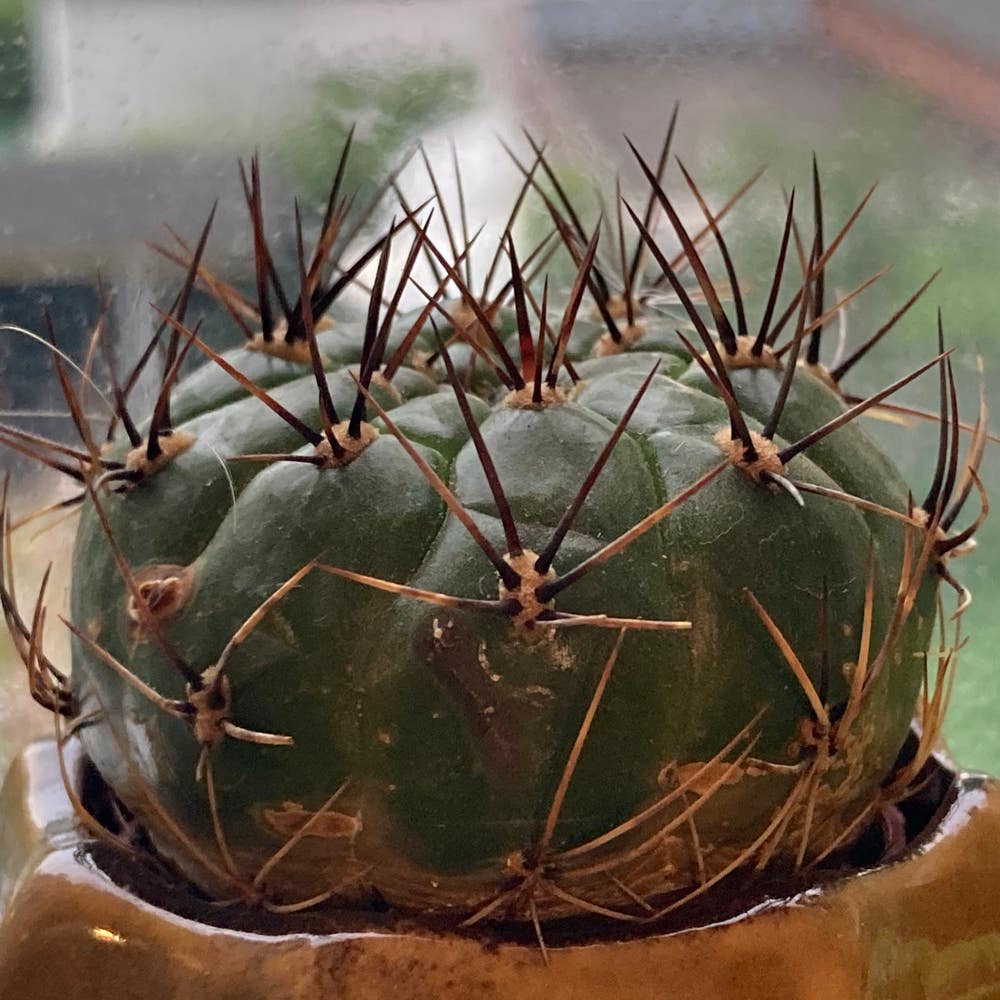
Matucana cacti thrive in bright, direct sunlight, which is crucial for their growth and overall health. Unlike many other cacti that can tolerate lower light conditions, Matucana requires full sun exposure to flourish.
🌄 Can Matucana Tolerate Direct Sunlight?
These cacti boast a high tolerance for direct sunlight, thanks to their native habitat in the sun-drenched Andes mountains. However, different varieties exhibit varying tolerances; for instance, Matucana madisoniorum can handle intense light better than Matucana aurantiaca.
☀️ Effects of Too Much Direct Sunlight on Matucana
While Matucana loves the sun, too much can lead to sunburn. Symptoms include browning or white patches on the skin, which indicate that the plant is struggling under harsh conditions.
Etiolation can also occur, where the cactus stretches and exhibits weak growth despite being exposed to direct sunlight. This happens when the plant is not receiving enough light intensity or duration.
⚠️ Signs of Stress in Matucana from Sunlight Exposure
Look for visual indicators of stress, such as wilting, discoloration, and shriveling. These signs suggest that your Matucana may be overwhelmed by its sunlight exposure.
Behavioral changes can also signal distress, including slowed growth or a failure to bloom. If you notice these symptoms, it may be time to reassess your plant's sunlight conditions.
Understanding the balance between sunlight needs and potential stressors is key to keeping your Matucana healthy and vibrant. Next, we’ll explore how window direction impacts sunlight exposure for your cactus.
Window Direction and Sunlight
🌞 Best Window Directions for Matucana
When it comes to positioning your Matucana, south-facing windows are the gold standard. They provide maximum direct sunlight exposure, which is crucial for the plant's growth and vitality.
East-facing windows are also a solid choice. They offer gentle morning sunlight, which is less intense and can help your Matucana acclimate without the risk of sunburn.
🌅 How Window Direction Affects Sunlight Intensity
Different window directions receive varying amounts of sunlight throughout the day, impacting your plant's health. For instance, south-facing windows bask in sunlight all day, while north-facing windows may offer limited light, making them less ideal for sun-loving cacti like Matucana.
Understanding these differences is vital when positioning your Matucana. Proper placement ensures your plant receives the right amount of sunlight, promoting robust growth and vibrant blooms.
With the right window direction, your Matucana can thrive, setting the stage for the next discussion on geographic considerations and how they influence sunlight exposure.
Geographic Considerations
🌍 Role of Hemisphere in Sunlight Exposure
The intensity and duration of sunlight can vary significantly between the Northern and Southern Hemispheres. In the Northern Hemisphere, Matucana may experience longer days during summer, which can enhance growth, while the Southern Hemisphere offers a different light spectrum that can also benefit these cacti.
Understanding these differences is crucial for optimizing Matucana's growth conditions. For instance, if you live in the Northern Hemisphere, you might need to adjust your care routine during the longer summer days to prevent overexposure.
☁️ How Climate Affects Matucana's Sunlight Needs
Local climate plays a pivotal role in determining how much sunlight Matucana receives. In arid regions, intense sunlight can be more consistent, while humid areas may have cloud cover that reduces direct light.
Adjusting care based on regional weather patterns is essential. If you live in a climate with frequent rain or overcast days, you may need to supplement with artificial light to ensure your Matucana thrives.
🌞 Seasonal Variations in Sunlight Intensity
Sunlight exposure changes throughout the year, impacting how you care for your Matucana. During winter, days are shorter, and the angle of sunlight shifts, which can lead to reduced light intensity.
To keep your Matucana healthy, consider relocating it closer to a window or using grow lights during the darker months. This seasonal adjustment can help maintain optimal growth and prevent stress on your plant.
Practical Tips for Plant Parents
🌞 How to Acclimate Matucana to Direct Sunlight
Acclimating your Matucana to direct sunlight is crucial for its health. Start with gradual exposure by placing it in direct sunlight for just a few hours each day, then slowly increase the duration.
Keep a close eye on your plant's response. Look for signs of stress, such as browning or wilting, and adjust exposure accordingly.
📏 Monitoring Sunlight Exposure for Matucana
Tracking sunlight levels is essential for optimal growth. Consider using tools like light meters to measure the intensity of sunlight your Matucana receives.
Consistent monitoring helps ensure your plant thrives in its environment. Adjustments based on these readings can make a significant difference in its health.
🌤️ Adjusting Care Based on Sunlight Conditions
Sunlight conditions directly influence your Matucana's care routine. In high sunlight areas, you may need to water more frequently to prevent dehydration.
Fertilization also plays a role; nutrient needs can vary based on sunlight exposure. Tailoring your care to these conditions will promote a healthier, more vibrant plant.
As you implement these tips, your Matucana will flourish under the right sunlight conditions, setting the stage for the next topic on window direction and sunlight.
⚠️ Safety First
This content is for general information and may contain errors, omissions, or outdated details. It is not medical, veterinary advice, or an endorsement of therapeutic claims.
Always consult a qualified healthcare professional before using any plant as food, medicine, or supplement.
Never eat any plant (or feed one to pets) without confirming its identity with at least two trusted sources.
If you suspect poisoning, call Poison Control (800) 222-1222, the Pet Poison Helpline (800) 213-6680, or your local emergency service immediately.
Spotted an error? Please report it here.
Keep your Matucana thriving in sunlight ☀️ by using Greg's tailored care tips to find the perfect balance between light exposure and plant health!