🪴 Heath: Where to Plant
Erica spp.
By the Greg Editorial Team
Nov 07, 2024•2 min read
This article was created with the help of AI so we can cover more plants for you. May contain errors. See one? Report it here.
Create a thriving oasis for Heath plants 🌱 with these essential tips on ideal planting locations!
- ☀️🌿 Heath thrives in full sun; ensure 6-8 hours of sunlight daily.
- 🌱 Acidic, well-drained soil (pH 5.0-6.5) is ideal for Heath plants.
- 🏡 Proper drainage and spacing prevent overcrowding and promote healthy growth.
Ideal Planting Locations
🌞 Sunlight Exposure Requirements
Heath plants thrive best in full sun to partial shade, requiring 6-8 hours of direct sunlight daily. Some varieties can tolerate light shade, making them perfect for dappled light conditions.
To assess sun exposure in your garden, observe the sun patterns throughout the day. Identify areas that receive consistent sunlight versus those that are frequently shaded.
🌱 Soil Type Preferences
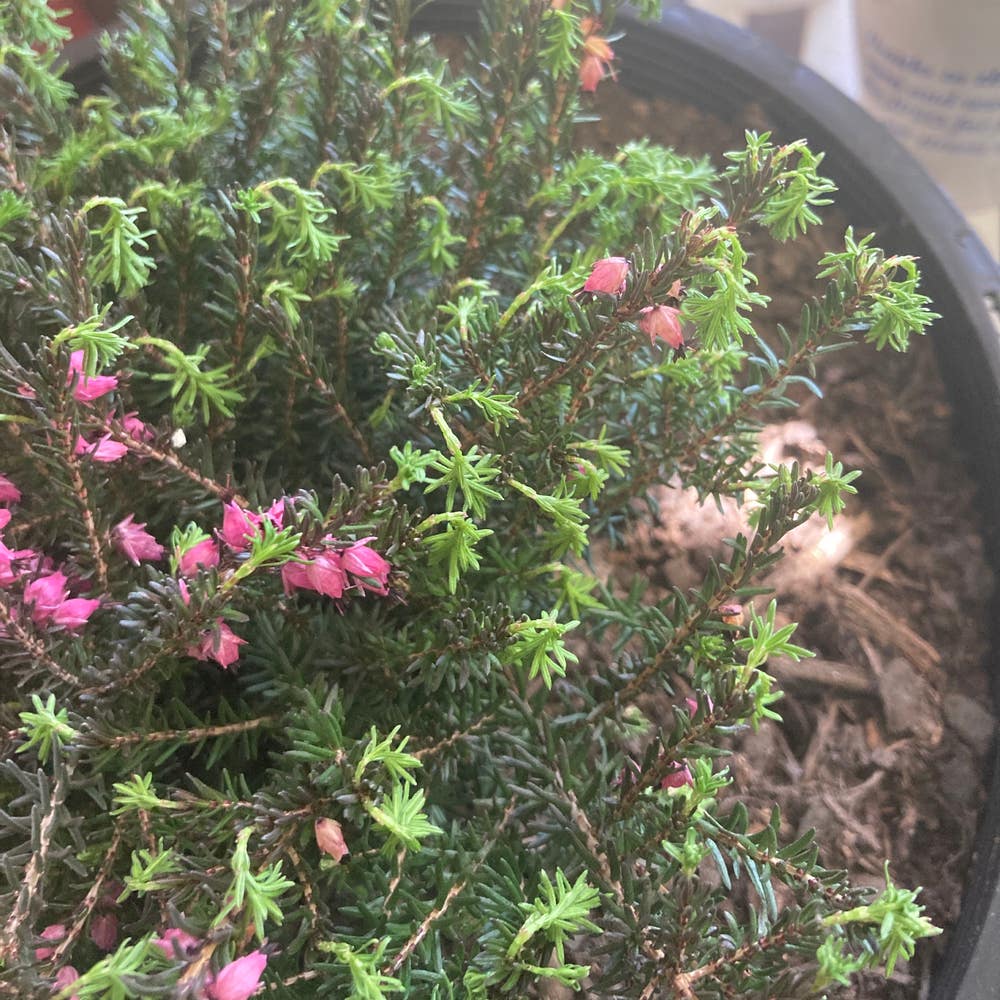
Heath prefers acidic, well-drained soils with a pH range of 5.0 to 6.5. Sandy or loamy soils are ideal for optimal drainage, ensuring your plants stay healthy.
Testing your soil quality is crucial. Use soil testing kits to determine pH and nutrient levels, and consider amending your soil by adding organic matter or sulfur to improve acidity.
🌿 Proximity to Other Plants or Structures
When planting Heath near other plants, consider companion planting to reap the benefits of compatible species. Ensure there’s adequate space for growth and air circulation to avoid overcrowding.
Placement near structures requires careful thought. Avoid direct contact with walls or fences to prevent moisture retention, while utilizing these structures for windbreaks without compromising sunlight access.
📍 Assessing the Best Spot
Evaluating your garden and landscape settings is essential. Analyze existing features to identify high and low spots for drainage, and consider how existing vegetation impacts light and moisture.
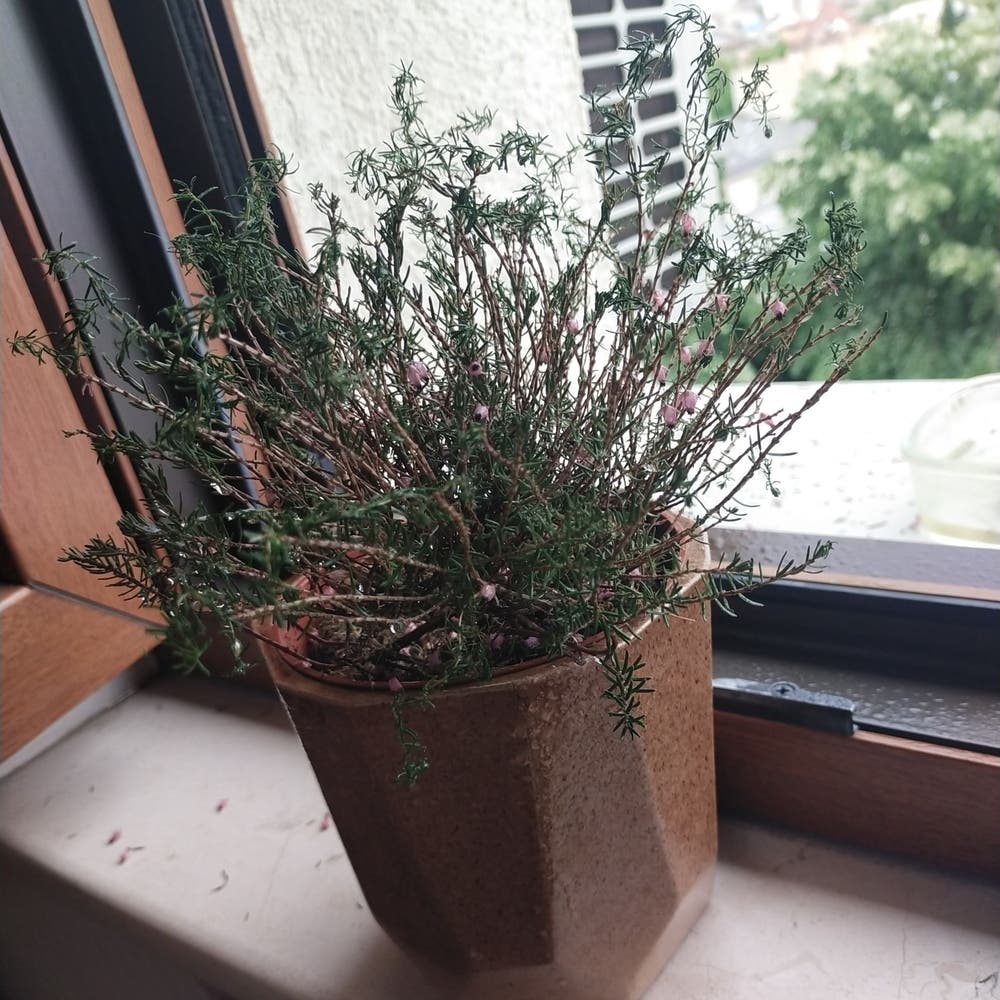
For indoor planting, select bright, well-lit windowsills or areas with indirect light. Managing your indoor microclimate is key—maintain humidity levels and rotate pots for even light exposure.
🚰 Drainage Considerations
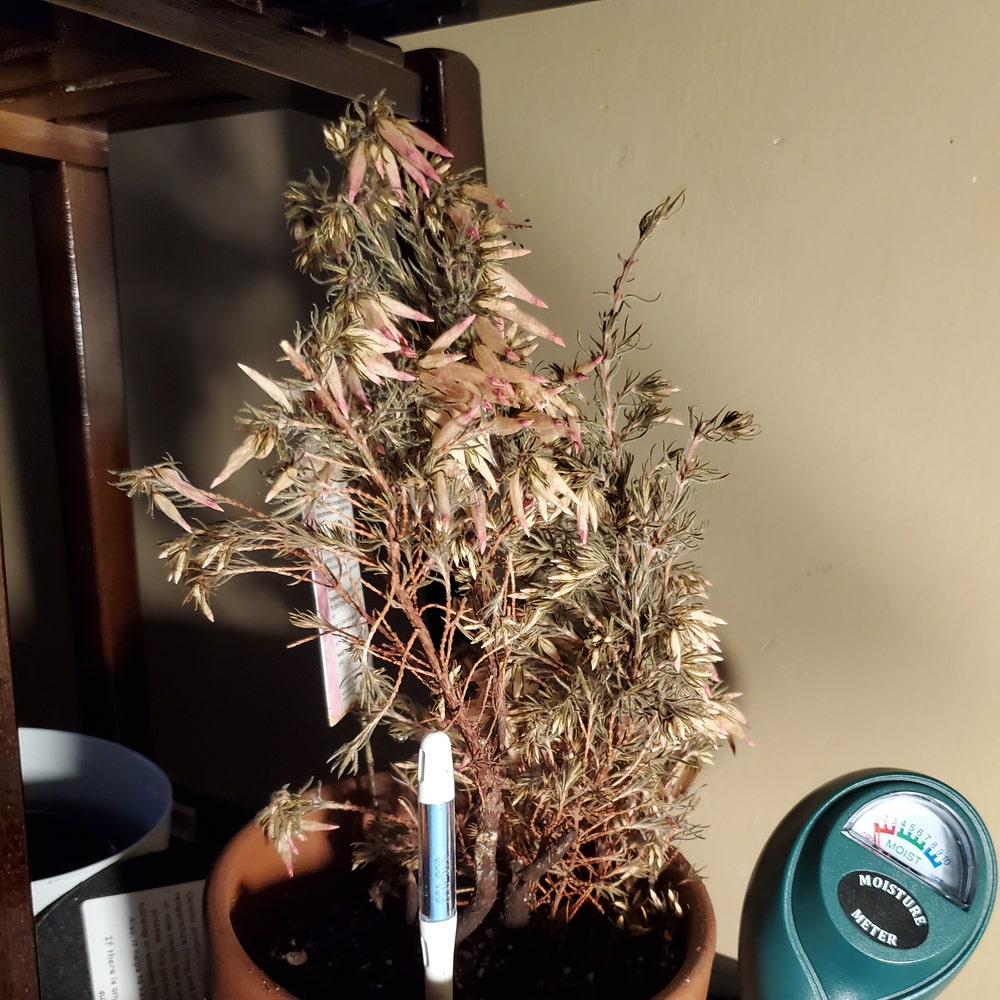
Assessing drainage needs is vital for the health of your Heath plants. Proper drainage prevents root rot and other signs of inadequate drainage, so evaluate your soil's drainage by conducting a simple test.
If you find poor drainage areas, consider improving drainage through raised beds or amending soil with sand or gravel. Alternatively, choose drought-tolerant Heath varieties for wetter areas and utilize containers for better control over soil conditions.
With these considerations in mind, you're well on your way to creating a thriving environment for your Heath plants. Next, let’s explore the specific care and maintenance they require to flourish.
⚠️ Safety First
This content is for general information and may contain errors, omissions, or outdated details. It is not medical, veterinary advice, or an endorsement of therapeutic claims.
Always consult a qualified healthcare professional before using any plant as food, medicine, or supplement.
Never eat any plant (or feed one to pets) without confirming its identity with at least two trusted sources.
If you suspect poisoning, call Poison Control (800) 222-1222, the Pet Poison Helpline (800) 213-6680, or your local emergency service immediately.
Spotted an error? Please report it here.
Create a thriving home for your Heath plants 🌱 with Greg's personalized care tips and soil testing features to ensure they get the sunlight and drainage they crave!