☀️ Ultimate Guide to Direct Sunlight for Heath
Erica spp.
By the Greg Editorial Team
Nov 07, 2024•4 min read
This article was created with the help of AI so we can cover more plants for you. May contain errors. See one? Report it here.
Master Heath plant care 🌱 by understanding their sunlight needs for vibrant growth and lasting health!
- ☀️ Direct sunlight is vital for Heath plants' health and vibrant growth.
- 🌿 Too much sunlight causes stress - look for crispy edges and wilting leaves.
- 🪟 South-facing windows offer optimal light; adjust for your Heath's specific needs.
Definition of Direct Sunlight
Explanation Suitable for Children 🌞
Direct sunlight is when the sun's rays shine straight onto a plant without anything blocking them, like clouds or buildings. Imagine standing outside on a sunny day; that warm light hitting your skin is direct sunlight!
Contrast with Indirect Sunlight 🌤️
Indirect sunlight occurs when the sun's rays are softened or scattered. This happens when sunlight comes through a window or is filtered by trees, creating a gentler light that’s not as intense as direct sunlight.
Heath's Sunlight Requirements
🌞 Does Heath Need Direct Sunlight?
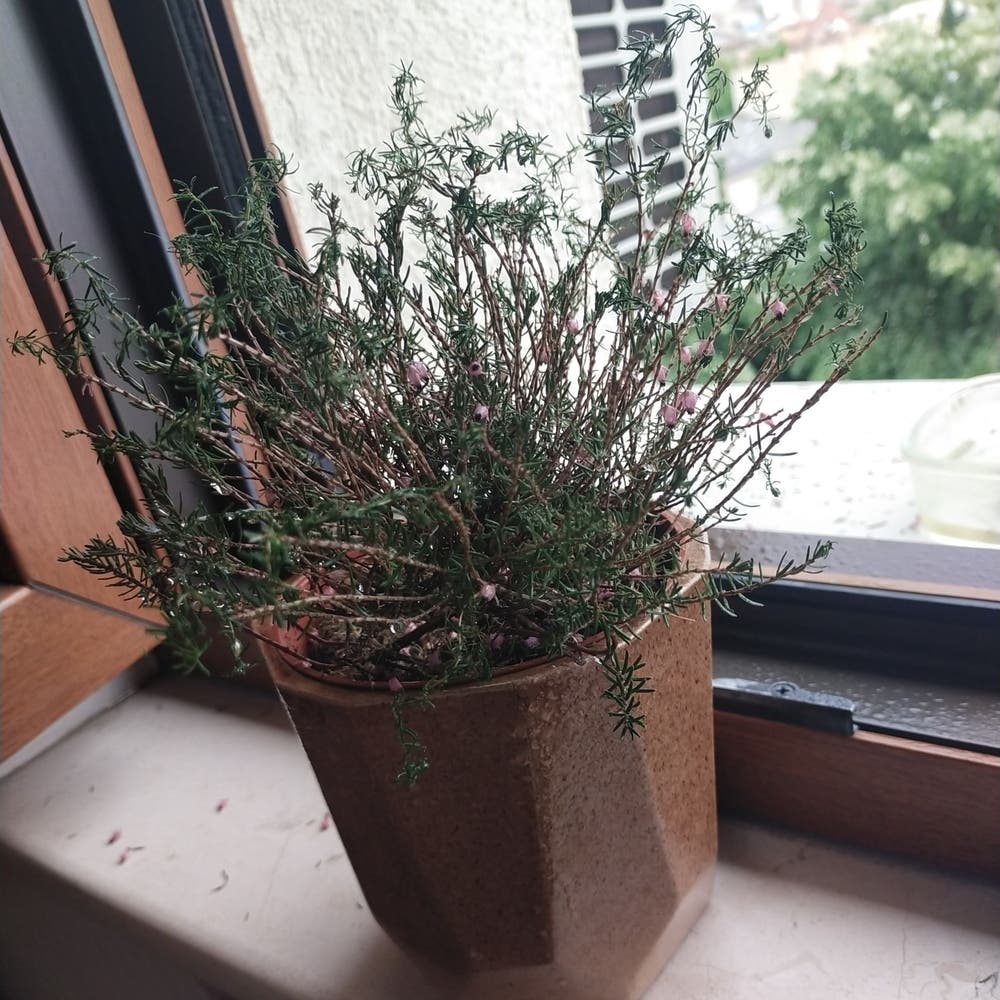
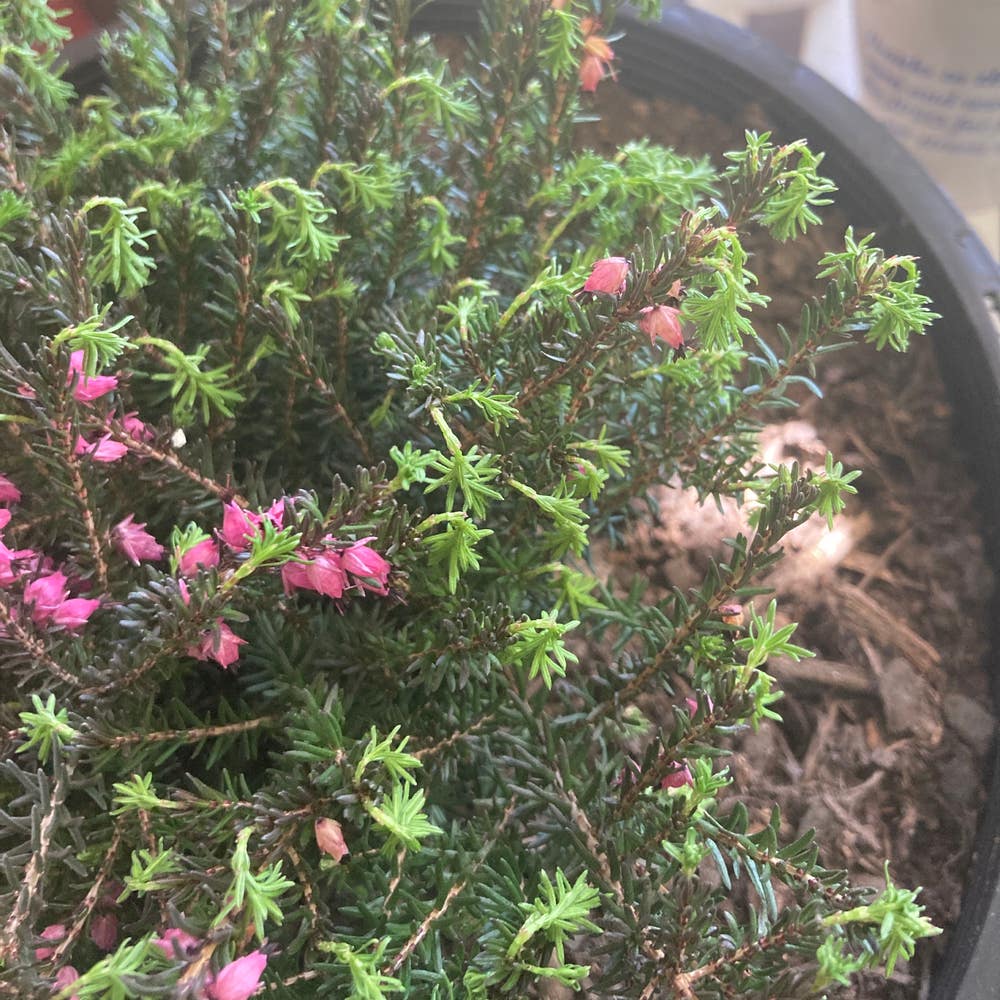
Heath plants generally thrive in full sun, which means they prefer direct sunlight for most of the day. This exposure helps them grow strong and vibrant, making it essential for their overall health.
☀️ Can Heath Tolerate Direct Sunlight?
Many Heath varieties can tolerate direct sunlight, but their levels of tolerance can vary. Some may flourish under intense sun, while others might struggle, so it's important to know your specific plant type.
🔆 Effects of Too Much Direct Sunlight on Heath
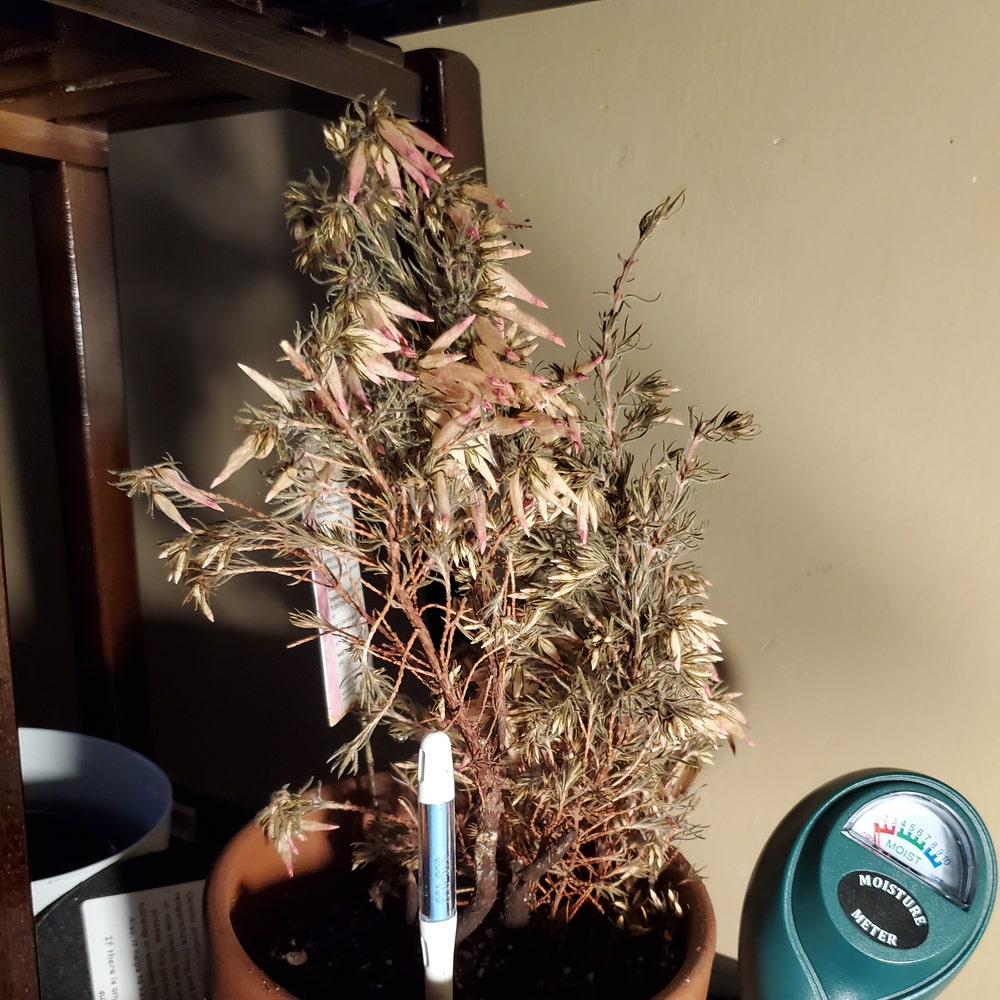
Excessive direct sunlight can lead to several issues for Heath plants. Symptoms include leaf scorch, wilting, and stunted growth, which can hinder their beauty and vitality.
Understanding these sunlight requirements is crucial for keeping your Heath plants healthy and thriving. Next, we’ll explore how window direction can impact their sunlight exposure.
Role of Window Direction
Best Window Directions for Heath 🌞
When it comes to positioning your Heath plants, south-facing windows are the champions. They provide the most direct sunlight throughout the day, creating an ideal environment for these sun-loving plants to thrive.
How Window Direction Affects Sunlight Exposure 🌅
On the flip side, west-facing windows can be a bit of a double-edged sword. While they offer intense afternoon sunlight, this can be too harsh for some Heath varieties, leading to potential stress or damage.
Understanding the role of window direction is crucial for maintaining healthy Heath plants. By choosing the right spot, you can ensure they receive the optimal amount of sunlight they crave.
Next, let’s explore how sunlight intensity varies between the northern and southern hemispheres.
Hemisphere Considerations
☀️ Differences in Sunlight Intensity Between Northern and Southern Hemispheres
The intensity of sunlight varies significantly between the northern and southern hemispheres. This variation is primarily due to the sun's angle and seasonal changes, affecting how much direct sunlight Heath plants receive.
In the northern hemisphere, the sun is higher in the sky during summer, resulting in stronger sunlight. Conversely, in the southern hemisphere, the sun's position shifts, leading to different light conditions that can impact plant growth.
🌍 How to Adjust Heath Care Based on Hemisphere
To ensure your Heath thrives, adjust its care based on your hemisphere. In the northern hemisphere, take advantage of the longer summer days by providing ample sunlight.
Monitor your Heath's exposure, especially during peak sunlight hours. If you notice signs of stress, consider relocating your plant to optimize its light intake.
Signs of Sunlight Stress in Heath
🌞 Identifying Symptoms of Too Much or Too Little Sunlight
Heath plants can show clear signs when they’re not getting the right amount of sunlight. If you notice leaf scorch—brown, crispy edges on the leaves—or wilting, it’s a strong indication that your plant is overwhelmed by too much direct sunlight.
On the flip side, if your Heath looks leggy or has yellowing leaves, it might be craving more light. These symptoms can help you quickly assess your plant's needs.
🛠️ Solutions for Stressed Heath Plants
If your Heath is suffering from too much sunlight, the solution is straightforward: relocate it to a spot with partial shade. This adjustment can help your plant recover and thrive without the harsh rays beating down on it.
For those plants needing more light, consider moving them closer to a window or a brighter area. With the right balance, your Heath can flourish beautifully.
By keeping an eye on these signs and making simple adjustments, you can ensure your Heath remains healthy and vibrant. Next, let’s explore how window direction can impact your plant’s sunlight exposure.
⚠️ Safety First
This content is for general information and may contain errors, omissions, or outdated details. It is not medical, veterinary advice, or an endorsement of therapeutic claims.
Always consult a qualified healthcare professional before using any plant as food, medicine, or supplement.
Never eat any plant (or feed one to pets) without confirming its identity with at least two trusted sources.
If you suspect poisoning, call Poison Control (800) 222-1222, the Pet Poison Helpline (800) 213-6680, or your local emergency service immediately.
Spotted an error? Please report it here.
Maximize your Heath plants' vibrant growth 🌞 by using Greg's tailored care tips to ensure they get just the right amount of sunlight for thriving health!