🌸 4 Perfect Plant Partners for Heath
Erica spp.
By the Greg Editorial Team
Nov 07, 2024•4 min read
This article was created with the help of AI so we can cover more plants for you. May contain errors. See one? Report it here.
Boost your garden's health 🌱 with ideal companion plants for Heath that create a vibrant ecosystem!
- 🌼 Winter Heath thrives in acidic, well-drained soils and full sun for optimal growth.
- 🍇 Blueberries attract pollinators and repel pests, making them ideal companions for Heath.
- 🌿 Ferns retain moisture and thrive in similar conditions, enhancing Heath's health and beauty.
Ideal Companion Plants for Heath
Plant 1: Winter Heath 🌸
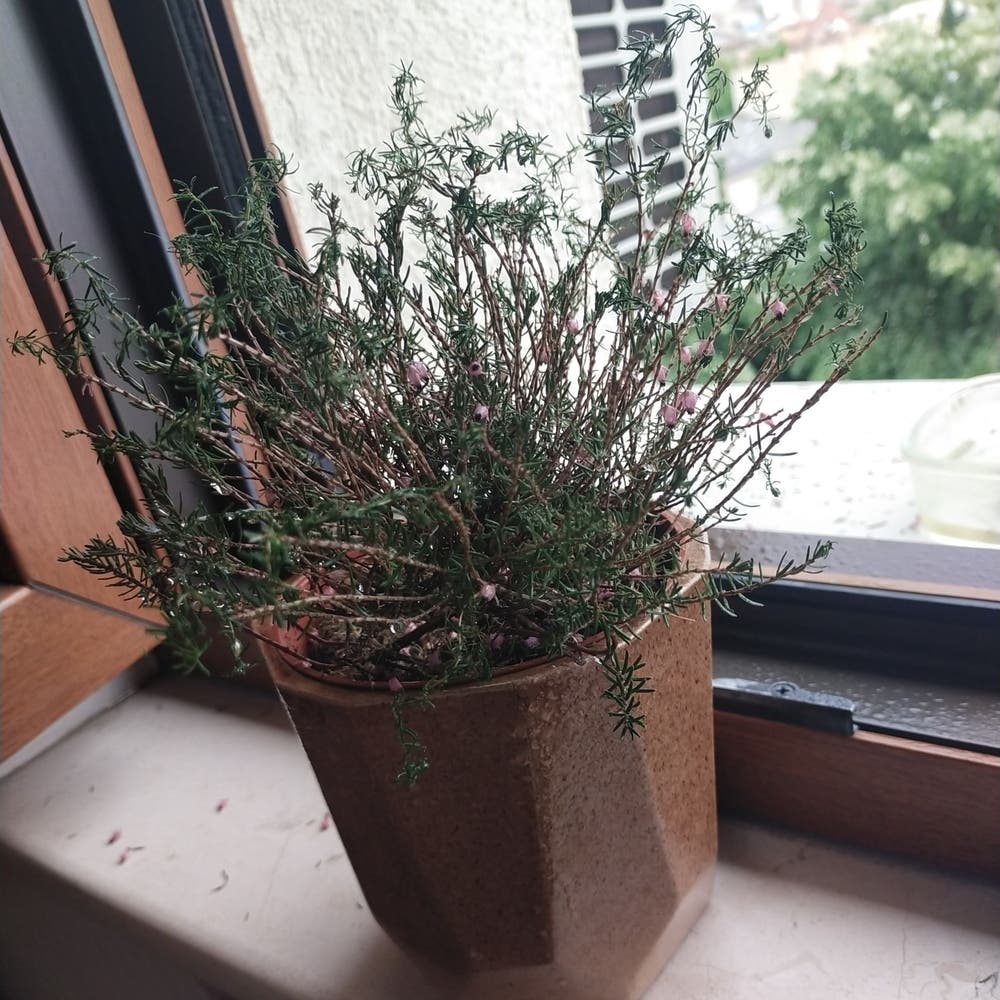
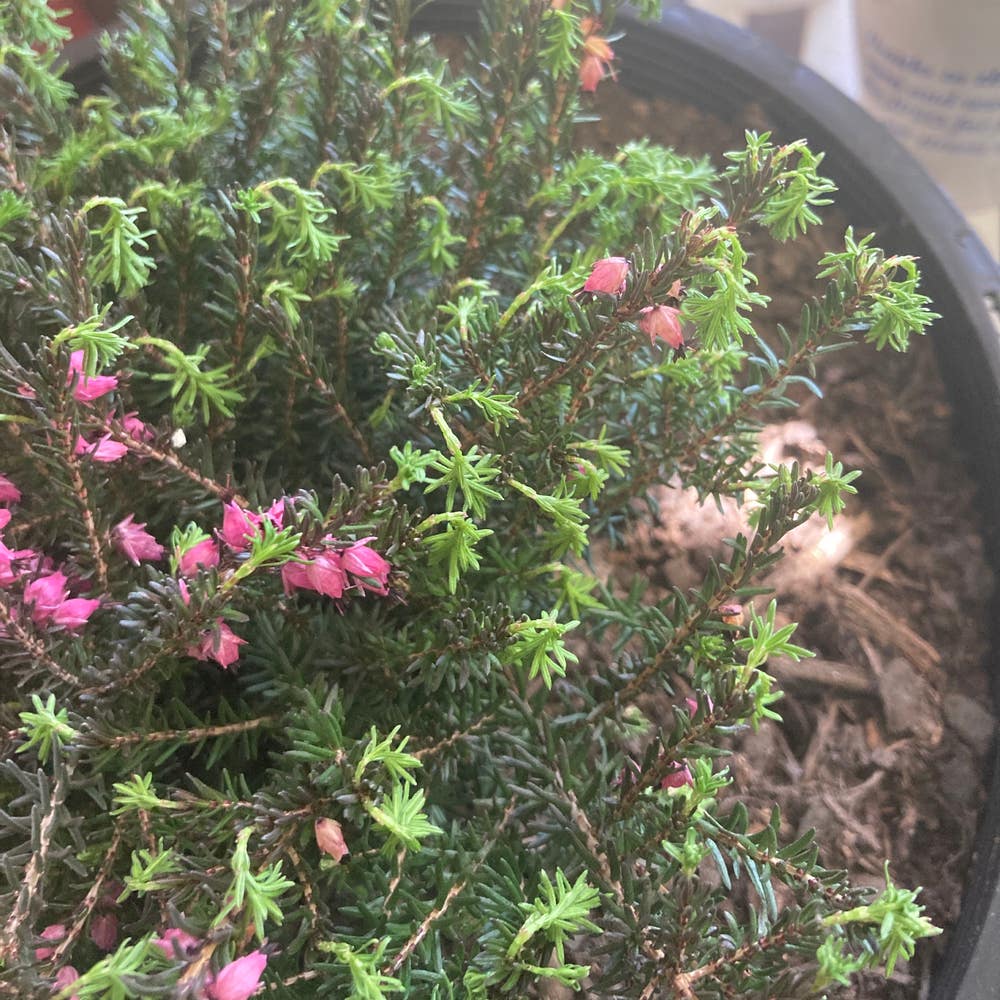
Winter Heath is a charming low-growing evergreen that showcases vibrant pink to purple flowers. This hardy plant thrives in acidic, well-drained soils and loves basking in full sun.
Its ability to attract pollinators makes it a fantastic choice for any garden. Additionally, it provides excellent ground cover, enhancing soil stability and preventing erosion.
Plant 2: Cross-Leaved Heath 🌼
Cross-Leaved Heath stands out with its unique cross-leaved foliage and delicate bell-shaped flowers. It prefers similar growing conditions to Heath, requiring moisture retention without the risk of waterlogging.
This plant beautifully complements Heath's flowering season, extending visual interest and creating a stunning display throughout the garden.
Plant 3: Blueberry 🫐
Blueberry plants are not only visually appealing with their white to pink flowers, but they also produce delicious edible berries. They thrive in acidic soil and share similar watering needs with Heath, making them an ideal companion.
Beyond their aesthetic and culinary benefits, blueberries provide pest-repellent properties and attract beneficial pollinators, enhancing the overall health of your garden.
Plant 4: Ferns 🌿
Ferns bring lush, green foliage that adds texture and depth to your garden landscape. They thrive in partial shade and prefer soil conditions similar to those of Heath.
These plants help retain soil moisture, which is crucial for maintaining a healthy garden. Their contrasting visual appeal to Heath's vibrant flowers creates a dynamic and inviting atmosphere.
Incorporating these companion plants not only enhances the beauty of your garden but also promotes a thriving ecosystem. Next, we'll explore how companion plants can assist in pest management for Heath, ensuring your garden remains healthy and vibrant.
Pest Management with Companion Plants
🌱 How Companion Plants Help in Pest Management for Heath
Companion plants play a crucial role in pest management by naturally deterring harmful insects. They can release compounds that repel pests or attract beneficial insects that prey on them.
Creating a balanced ecosystem is essential for reducing pest populations. When companion plants are strategically placed, they can enhance the overall health of your garden, making it less susceptible to infestations.
🐞 Specific Pests That Can Be Deterred by Companion Plants
Common pests that affect Heath include aphids and spider mites. These pests can wreak havoc on your plants, but certain companion plants can help keep them at bay.
For instance, planting marigolds alongside Heath can deter aphids with their strong scent. Similarly, herbs like basil and mint can repel spider mites, enhancing the resilience of your Heath plants.
By incorporating these companion plants, you not only protect your Heath but also promote a thriving garden ecosystem. This synergy between plants can lead to healthier growth and a more vibrant landscape.
As you consider your garden layout, think about how these companion plants can work together to create a pest-resistant environment. Next, let’s explore which plants you should avoid planting near Heath to maintain its health and vitality.
Plants to Avoid Near Heath
List of Plants That Should Not Be Planted Near Heath 🌱
When planning your garden, it's crucial to know which plants to steer clear of near Heath. Heavy feeders like tomatoes and corn can deplete the soil of essential nutrients, leaving your Heath struggling to thrive.
Additionally, moisture-loving plants such as ferns and astilbes can create an overly damp environment. This can lead to root rot for Heath, which prefers well-drained soil.
Reasons for Incompatibility with Heath 🚫
Incompatibility often arises from competition for resources. Plants that require more nutrients or water can hinder Heath's growth, making it harder for them to flourish together.
Moreover, certain plants may attract pests or diseases that can spread to your Heath. Keeping these incompatible plants at a distance helps maintain a healthy and vibrant garden ecosystem.
Understanding these dynamics is key to ensuring your Heath and its companions thrive harmoniously. With the right choices, you can create a flourishing garden that showcases the beauty of your Heath while minimizing potential issues.
⚠️ Safety First
This content is for general information and may contain errors, omissions, or outdated details. It is not medical, veterinary advice, or an endorsement of therapeutic claims.
Always consult a qualified healthcare professional before using any plant as food, medicine, or supplement.
Never eat any plant (or feed one to pets) without confirming its identity with at least two trusted sources.
If you suspect poisoning, call Poison Control (800) 222-1222, the Pet Poison Helpline (800) 213-6680, or your local emergency service immediately.
Spotted an error? Please report it here.
Enhance your garden's beauty and health with the right companions for your Heath, and let Greg guide you with tailored care tips 🌼 to ensure they thrive together!