🌡 Best Temperature Conditions for Heath
Erica spp.
By the Greg Editorial Team
Nov 07, 2024•2 min read
This article was created with the help of AI so we can cover more plants for you. May contain errors. See one? Report it here.
Ensure your heath thrives 🌱 by mastering its ideal temperature needs for vibrant growth and blooms!
- 🌡️ Heath thrives best between 15°C to 25°C; ideal at 20°C (68°F).
- ⚠️ Watch for stress signs like wilting and discoloration due to temperature extremes.
- 🌳 Create microclimates to protect heath from rapid temperature fluctuations and stress.
Temperature Needs of Heath
Optimal Temperature Range 🌡️
Heath thrives best in a temperature range of 15°C to 25°C (59°F to 77°F). The sweet spot for growth is around 20°C (68°F), making it crucial to maintain consistent temperatures within this range for robust health.
Temperature Stress Symptoms 😟
Temperature stress can manifest in several ways. Common symptoms include:
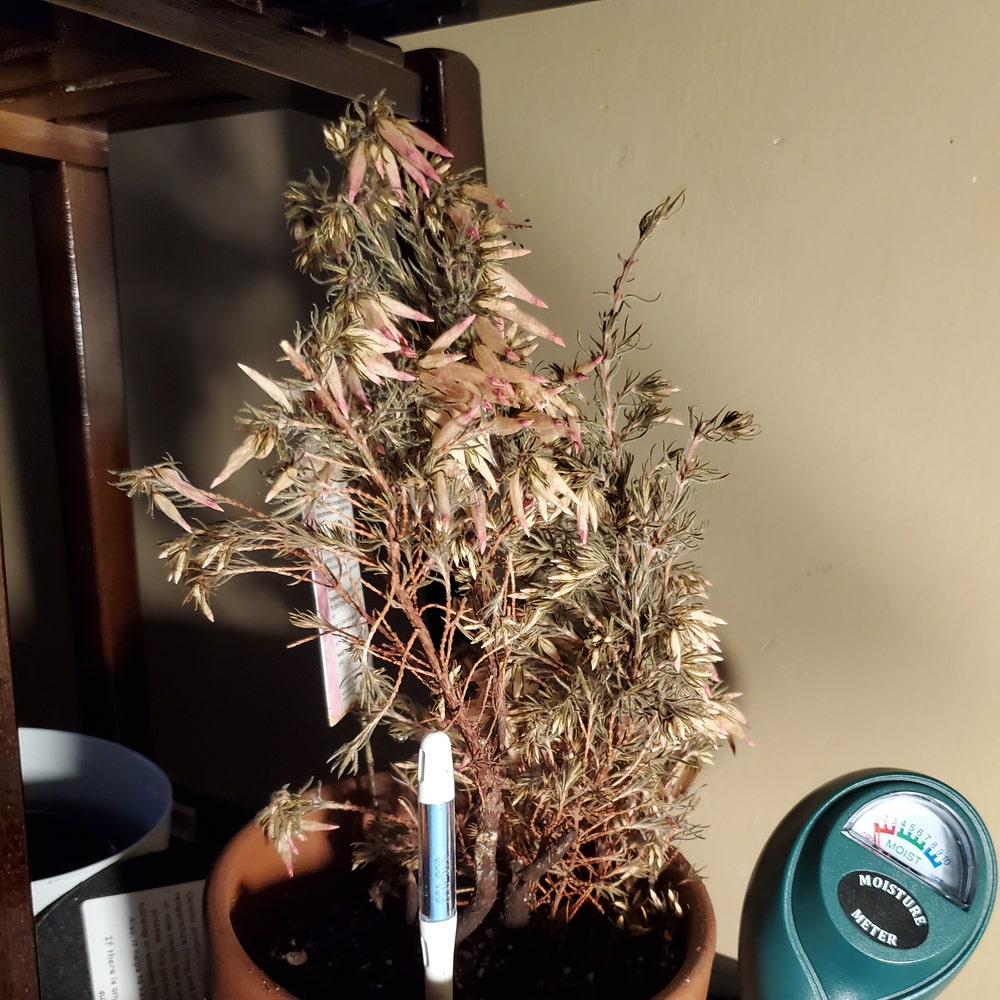
- Leaf discoloration: Look out for yellowing or browning leaves.
- Wilting: This indicates a loss of turgor pressure in the leaves.
- Stunted growth: You may notice reduced height and spread.
- Poor flowering: Expect fewer blooms or delayed flowering.
Causes of Temperature Stress ⚠️
Understanding the causes of temperature stress is essential for prevention.
- Rapid temperature fluctuations can lead to shock.
- Prolonged exposure to extreme temperatures, whether hot or cold, can be detrimental.
- Inadequate acclimatization means the plant fails to adjust to seasonal changes, leading to stress.
Geographic Considerations 🌍
Hardiness Zones 🌱
Heath is best suited for hardiness zones 5-8. Selecting the right variety for your local climate conditions is vital for successful growth.
Regional Temperature Variations 🌄
Geographical location significantly impacts temperature needs.
- Coastal vs. inland temperatures can create different growing conditions.
- Elevation effects also play a role, as higher altitudes typically experience cooler temperatures.
Temperature Management Techniques 🛠️
Strategies for Maintaining Optimal Temperature 🌡️
To keep your heath happy, consider these strategies:
- Use of mulch helps regulate soil temperature effectively.
- Proper site selection for planting can make a big difference.
- Monitoring soil temperature with thermometers ensures you stay within the ideal range.
Use of Microclimates 🌬️
Creating microclimates can be a game-changer.
- Utilize structures, trees, or shrubs for protection against temperature extremes.
- Windbreaks and shade can significantly aid in temperature regulation.
Seasonal Adjustments 🍂
Adjusting your care routine based on temperature changes is crucial.
- Watering schedules should align with temperature fluctuations.
- Timing of fertilization can enhance growth when temperatures rise.
- Seasonal pruning techniques promote healthy growth and resilience to temperature changes.
With these insights, you can ensure your heath remains vibrant and thriving, ready to transition into the next phase of care.
⚠️ Safety First
This content is for general information and may contain errors, omissions, or outdated details. It is not medical, veterinary advice, or an endorsement of therapeutic claims.
Always consult a qualified healthcare professional before using any plant as food, medicine, or supplement.
Never eat any plant (or feed one to pets) without confirming its identity with at least two trusted sources.
If you suspect poisoning, call Poison Control (800) 222-1222, the Pet Poison Helpline (800) 213-6680, or your local emergency service immediately.
Spotted an error? Please report it here.
Keep your heath plants thriving in their ideal temperature zone 🌱 by using Greg to monitor conditions and adjust your care routine for optimal growth!